
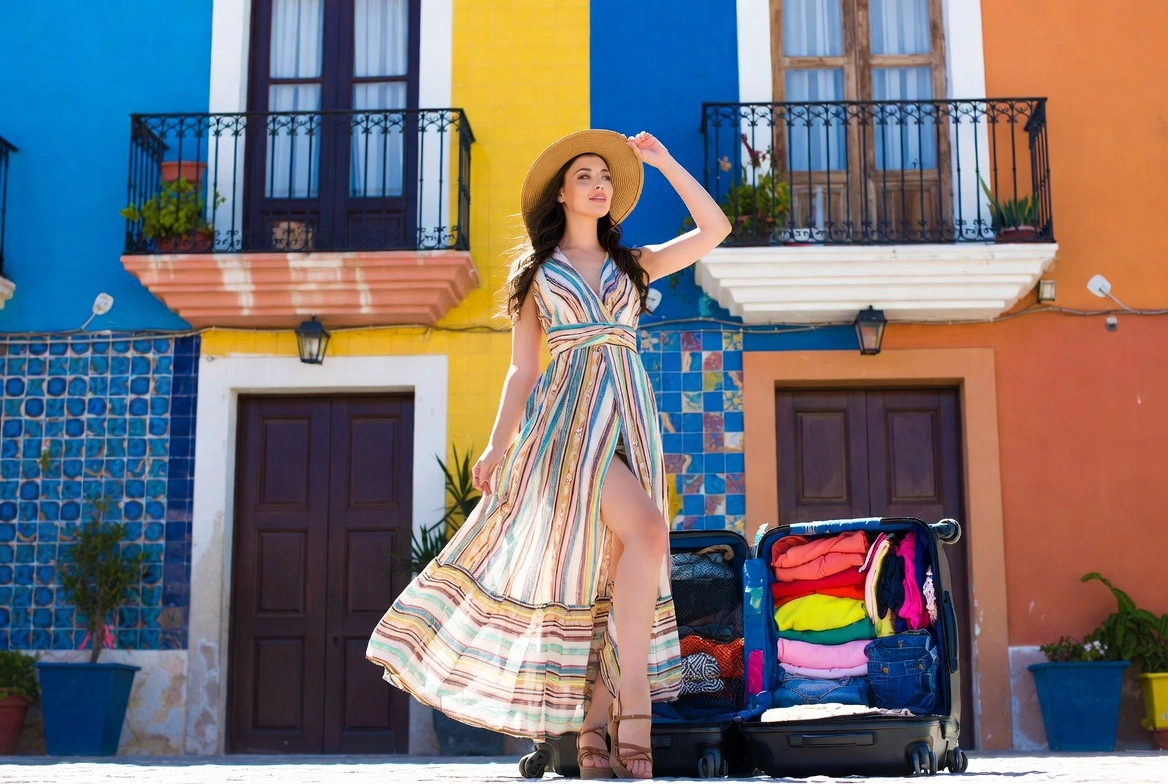
Mexico Outfits Guide 2026 | Stylish Travel Looks for Every Season
Planning a trip to Mexico means preparing for one of the most climatically diverse countries in North America. From the sun-soaked beaches of Cancun to the cool evenings in Mexico City, your packing list needs to accommodate everything from tropical heat to mountain chill. Understanding what to wear in Mexico can transform your travel experience from uncomfortable and unprepared to confident and stylish.
Mexico welcomes millions of visitors each year, each discovering that this vibrant country demands more thoughtful packing than a typical beach destination. The country spans multiple climate zones, elevation changes of thousands of feet, and cultural contexts that range from cosmopolitan urban centers to traditional highland villages. Your outfit choices need to respect local customs while keeping you comfortable through temperature swings, afternoon rain showers, and diverse activities from archaeological site explorations to upscale dining.
This comprehensive guide walks through everything you need to know about dressing for Mexico in 2026. Whether you are spending a week at an all-inclusive resort, exploring the cobblestone streets of colonial cities, or island-hopping along the coast, you will find detailed recommendations for building a versatile travel wardrobe that works across seasons and regions.
Understanding Mexico’s Climate Zones Before You Pack
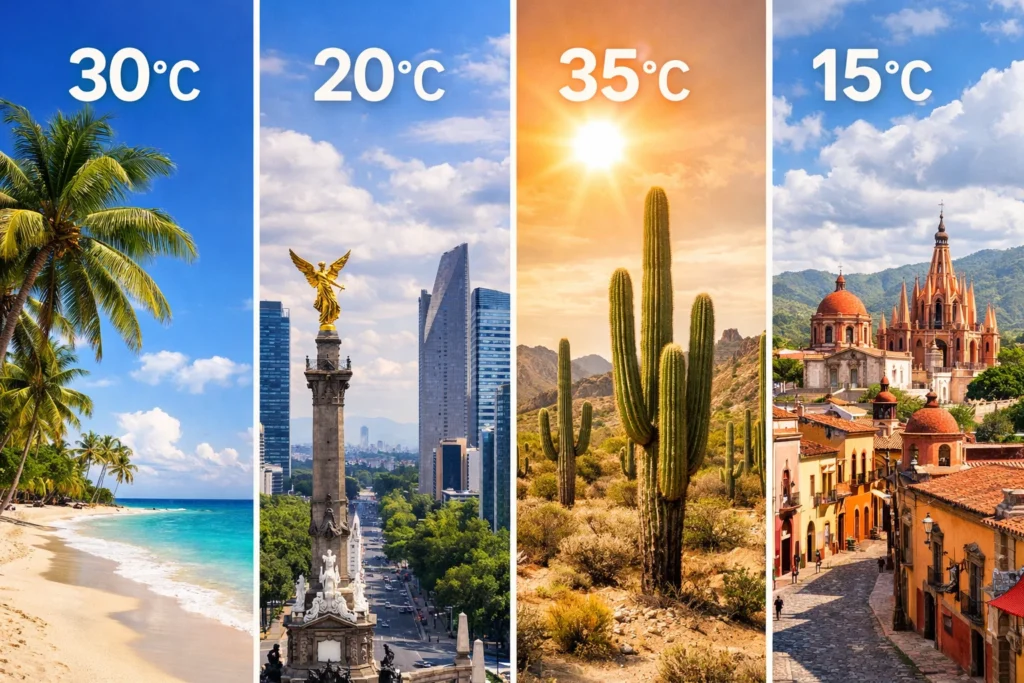
Mexico’s geography creates distinct climate patterns that directly impact your outfit planning. The Tropic of Cancer divides the country into temperate and tropical zones, but elevation plays an equally important role in determining what you will experience weather-wise.
Coastal regions maintain warm to hot temperatures year-round. The Caribbean coast, including Cancun, Playa del Carmen, and Tulum, experiences high humidity with temperatures typically ranging from the low 80s to mid-90s Fahrenheit. The Pacific coast, from Puerto Vallarta to Cabo San Lucas, offers slightly drier heat but still demands lightweight, breathable clothing.
Central Mexico, including Mexico City, Guadalajara, and Oaxaca, sits at high elevations between 5,000 and 7,500 feet above sea level. This altitude creates a temperate climate with pleasant daytime temperatures but surprisingly cool mornings and evenings. Mexico City’s altitude of 7,350 feet means you will experience 70-degree afternoons followed by 45-degree nights during winter months.
Northern Mexico encompasses desert and semi-arid regions where scorching daytime heat gives way to chilly nights. The temperature differential can exceed 30 degrees between midday and midnight, requiring strategic layering.
Understanding these climate zones before selecting your Mexico outfits ensures you pack appropriately for your specific destination rather than making assumptions based on Mexico’s general reputation as a warm-weather destination.
Spring Outfits for Mexico Travel
Spring in Mexico, running from March through May, presents some of the warmest and driest conditions of the year. This season sees temperatures climbing steadily, with April and May often recording the highest daytime temperatures before summer rains arrive.
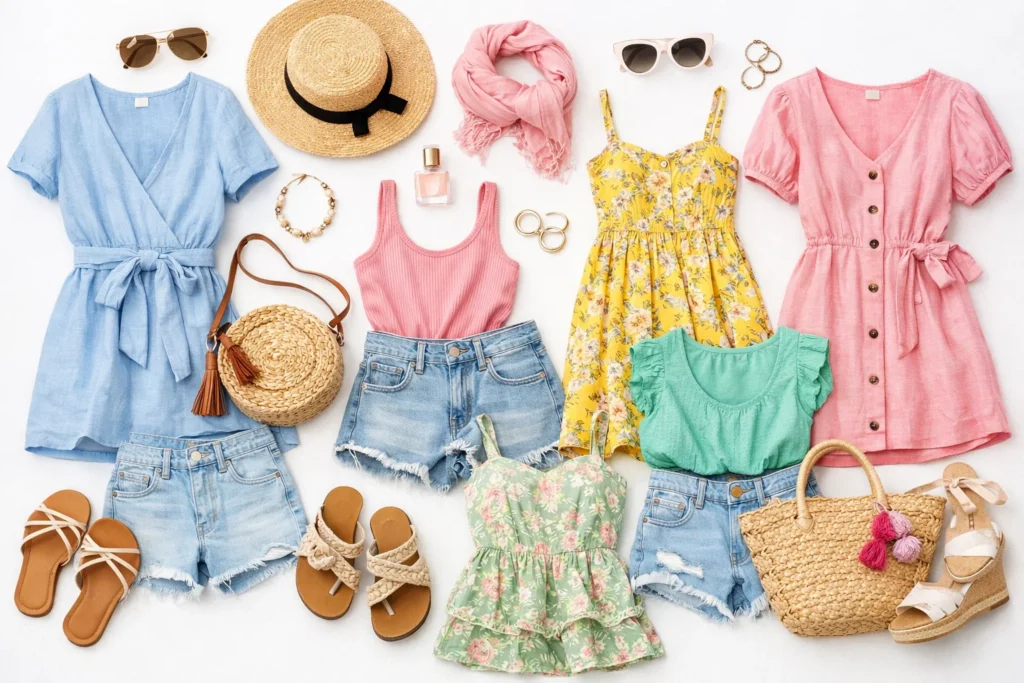
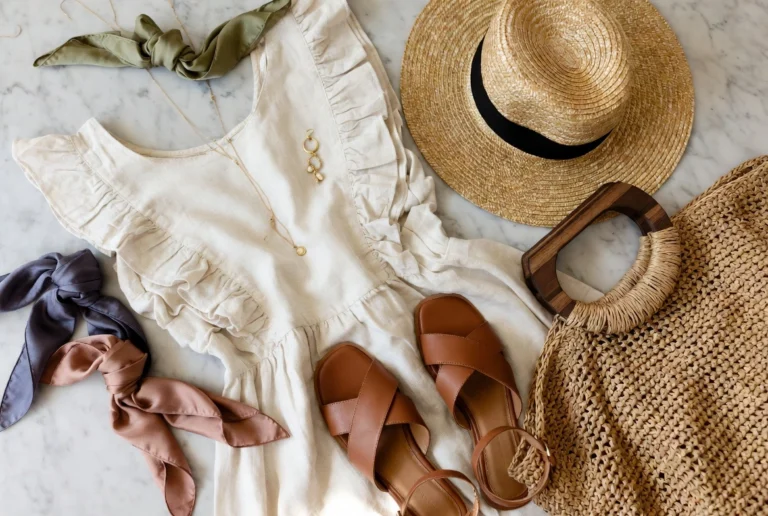
For beach destinations during spring, lightweight cotton and linen become your best friends. Pack breathable sundresses in bright colors and botanical prints that embrace the tropical vibe. Flowy maxi dresses work beautifully for both daytime beach activities and evening dinners. Pair them with flat sandals during the day and wedge espadrilles for dressier occasions.
Shorts and casual tops form the foundation of a spring beach wardrobe. Choose mid-length denim shorts or linen shorts in neutral tones that you can mix with various tank tops and short-sleeve blouses. A lightweight kimono or crochet cover-up adds a stylish layer for transitioning from beach to restaurant without needing a complete outfit change.
Spring in Mexico City and other highland areas still requires some layering capability. Mornings start cool but afternoons can reach into the 80s. Pack long-sleeve linen shirts that you can roll up as temperatures rise, comfortable jeans or casual pants, and a light sweater or cardigan for early morning museum visits or evening strolls through neighborhoods like Roma or Condesa.
The intense Mexican sun in spring makes sun protection essential. Wide-brimmed straw hats serve double duty as both practical sun shields and stylish accessories. Oversized sunglasses protect your eyes while elevating any casual outfit. Consider packing a lightweight scarf or shawl that can cover your shoulders when visiting religious sites or provide an extra layer in overly air-conditioned restaurants.
Summer Mexico Outfit Essentials
Summer in Mexico, spanning June through August, brings the rainy season to most of the country. This does not mean constant downpours, but rather afternoon thunderstorms that arrive predictably, cool things down, then move on. Your summer outfits need to account for both heat and sudden precipitation.
Moisture-wicking fabrics become crucial during Mexico’s humid summer months. Modern athletic-inspired materials that look casual but perform technically will keep you more comfortable than traditional cotton. Tank tops and sleeveless dresses in these fabrics dry quickly if caught in a rain shower and prevent that sticky, overheated feeling during humid afternoons.
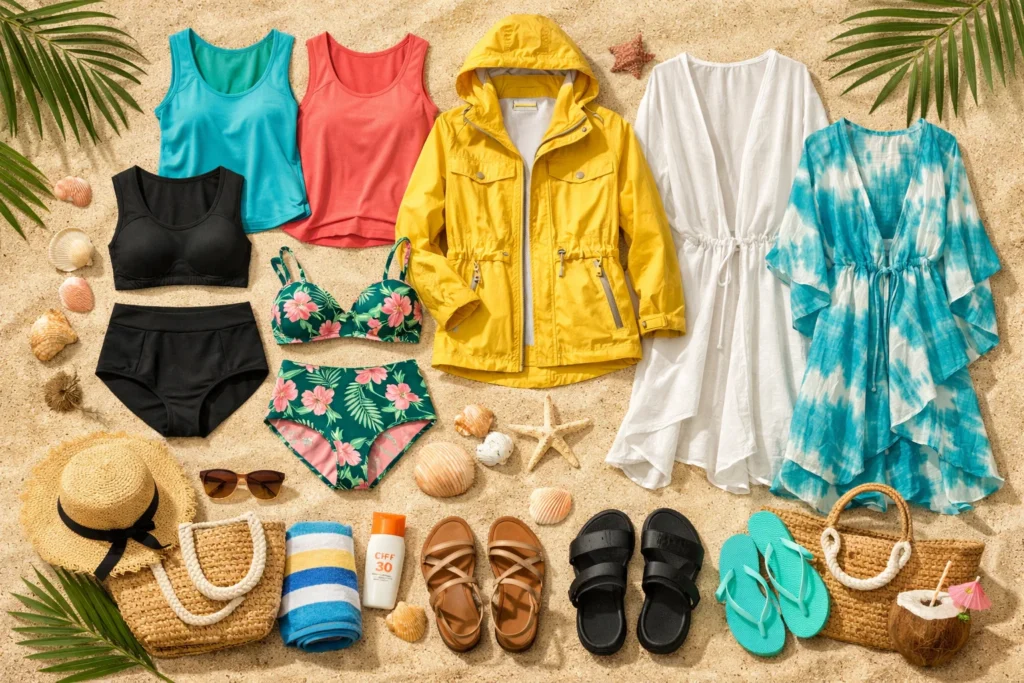
Beach and resort outfits in summer should focus on maximum breathability. Pack multiple swimsuits so you always have a dry option ready. One-piece suits with interesting cutouts or high-waisted bikinis paired with matching sarongs create Instagram-worthy beach looks. Loose-fitting cover-up dresses in gauze or cotton allow air circulation while protecting sun-exposed skin.
For urban exploration during summer, choose light-colored clothing that reflects rather than absorbs heat. Knee-length shorts or capri pants offer more coverage than short shorts while remaining cool. Pair them with moisture-wicking t-shirts or linen button-downs. Mexico City locals rarely wear shorts regardless of temperature, so if blending in matters to you, opt for lightweight long pants even in summer heat.
Footwear for summer Mexico must handle both heat and potential wet conditions. Quality leather or synthetic sandals with good arch support handle miles of walking better than flimsy flip-flops. Pack a pair of comfortable sneakers or closed-toe walking shoes that can get wet without being ruined. Some travelers bring lightweight water shoes for cenote swimming or beach activities.
A compact rain jacket or packable poncho belongs in every summer Mexico outfit rotation. These items fold small enough to fit in a daypack but provide essential protection during those afternoon storms. Choose bright colors that make you visible and add a pop of color to neutral outfit bases.
Fall Fashion for Mexican Adventures
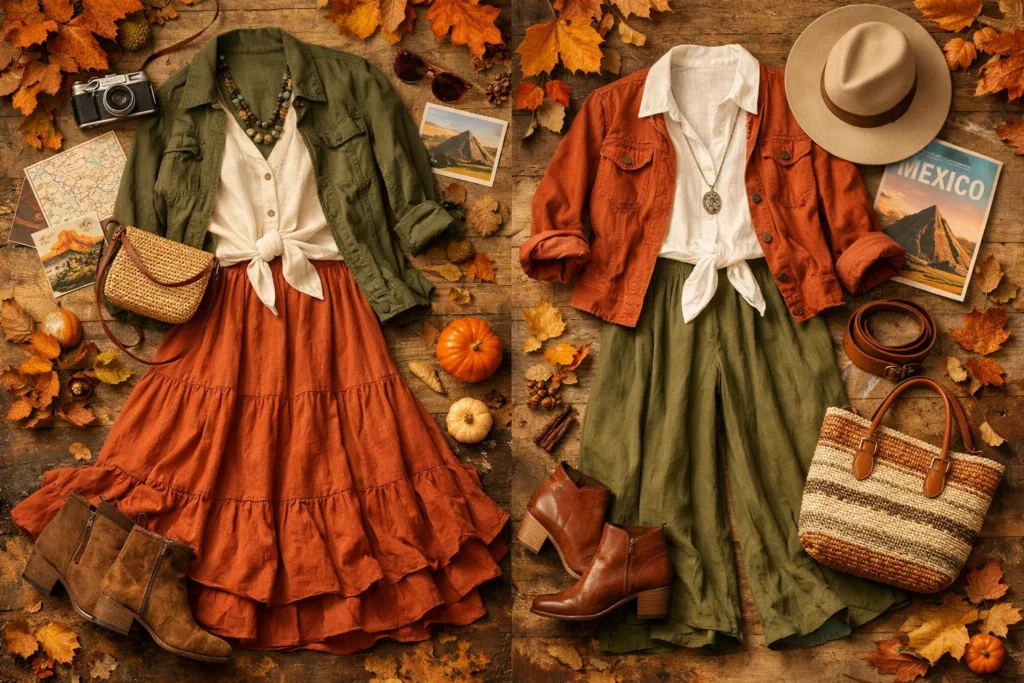
Fall in Mexico, from September through November, sees the gradual end of rainy season and the beginning of more comfortable temperatures. This transitional season offers some of the best weather for travel, with warm days, cooler nights, and decreasing rainfall as weeks progress.
September and early October still experience occasional afternoon showers, so maintain the layering strategy from summer. However, as November approaches, many regions transition to reliably dry, sunny days perfect for outdoor activities. Your fall outfits should emphasize versatility and easy mix-and-match options.
Maxi skirts become incredibly practical fall pieces for Mexico travel. A well-made maxi skirt in a solid color pairs with multiple tops, transitions easily from day to evening, and provides comfortable coverage for walking, dining, or visiting cultural sites. Choose fabrics with some weight to them rather than flimsy materials that blow around in coastal breezes.
Button-down linen shirts in fall colors like terracotta, olive, and mustard yellow complement Mexico’s natural landscapes while remaining appropriate for the season. These shirts work equally well tied at the waist over a tank top during warm afternoons or worn fully buttoned with sleeves rolled down for cooler mornings.
For beach destinations in fall, pack slightly more coverage options than you might in peak summer. Lightweight long-sleeve rashguards protect against sun exposure during water activities while keeping you cool. Beach pants or palazzo pants in tropical prints create comfortable outfits for beachfront dining or evening walks along the shore.
Mexico City and highland regions become particularly pleasant during fall. Bring casual dresses that hit at or below the knee, which you can pair with ankle boots or stylish sneakers. A medium-weight jacket or denim jacket handles temperature drops after sunset. Scarves add both warmth and style to simple outfit combinations.
Fall also marks festival season in many parts of Mexico, including Day of the Dead celebrations in late October and early November. If your trip coincides with cultural festivals, pack at least one slightly dressier outfit. A midi dress in a bold print or coordinating separates in jewel tones allows you to participate respectfully while looking polished.
Winter Wardrobe Planning for Mexico
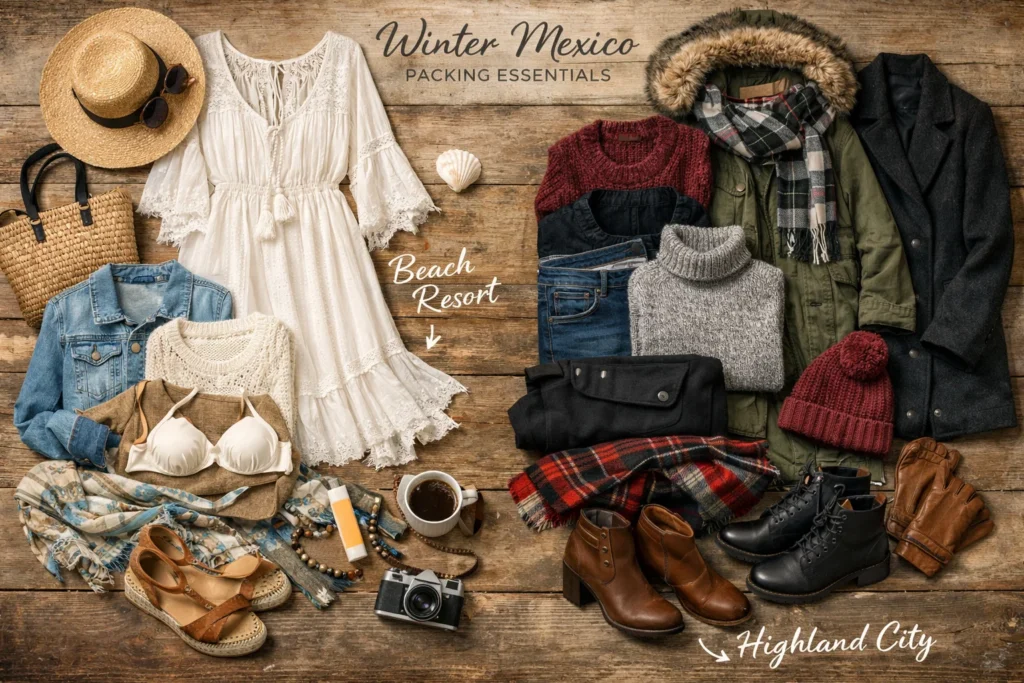
Winter in Mexico, from December through February, creates the most dramatic temperature differences between regions. Coastal areas remain warm and inviting, making this peak tourist season for beach destinations. Meanwhile, inland cities experience their coolest temperatures of the year.
Beach destinations in winter require similar clothing to what you would pack for summer, just with fewer rain-contingency items. The dry season brings reliably sunny skies and lower humidity. Pack swimsuits, cover-ups, sundresses, and sandals as your core items. However, add a light cardigan or denim jacket for evening boat cruises or beach bonfires when temperatures can drop into the 60s.
Tulum and other bohemian beach towns embrace a specific aesthetic during winter high season. Flowy white dresses, crochet details, and artisan jewelry define the Tulum look. If you plan to visit beach clubs or upscale restaurants in these areas, bring outfit pieces that align with this elevated casual style. Think maxi dresses in natural fabrics, woven crossbody bags, and leather sandals rather than plastic flip-flops.
Mexico City winter demands a completely different wardrobe approach. Daytime temperatures hover around 70 degrees Fahrenheit, but nights regularly drop into the 40s. The high altitude means buildings lack central heating, so you feel the cold both indoors and out. Pack jeans or casual pants, long-sleeve shirts, sweaters, and a warm jacket for morning and evening wear.
Layering becomes essential for winter Mexico City outfits. Start with a base layer like a fitted long-sleeve shirt, add a sweater or cardigan, and bring a jacket you can remove as the day warms. Scarves provide an adjustable layer you can add or remove easily while exploring neighborhoods or visiting museums.
Closed-toe shoes matter more in winter than any other season for highland areas. Comfortable ankle boots work with both pants and dresses while keeping your feet warm. Quality sneakers in neutral colors pair with everything in your suitcase while providing the support needed for walking Mexico City’s hilly terrain.
Winter travelers to Mexico should also consider the holiday season when planning outfits. Christmas and New Year’s celebrations often involve dressier occasions. Pack at least one outfit suitable for a nice dinner or holiday event if your trip falls during late December.
Regional Style Differences Across Mexico
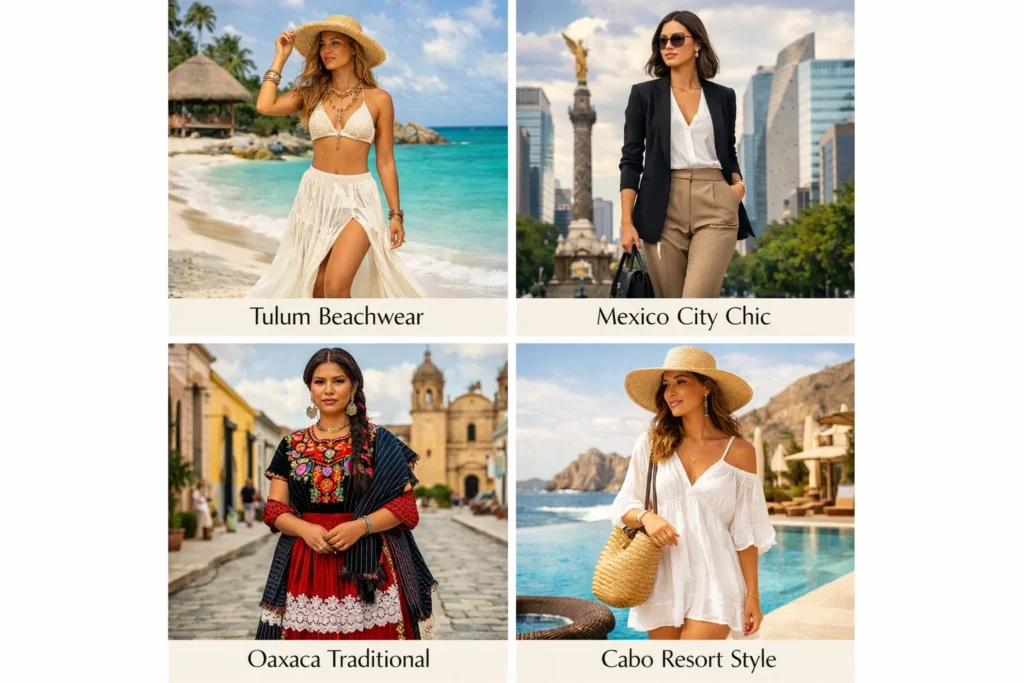
Beyond seasonal considerations, Mexico’s diverse regions have distinct style preferences and expectations that should inform your outfit choices. Understanding these regional differences helps you pack appropriately and show respect for local customs.
Beach towns along both coasts embrace casual, relaxed style. Sayulita, Tulum, and Holbox have developed reputations for bohemian beach fashion where colorful patterns, flowing silhouettes, and artisan accessories dominate. These destinations attract fashion-forward travelers who view their outfits as part of the vacation experience. Feel free to experiment with bold prints, statement jewelry, and trend-forward pieces in these locations.
Cancun and Playa del Carmen, while still beach destinations, skew more conservative than their bohemian counterparts. These family-friendly resort areas see more modest coverage during the day. While bikinis and swimwear remain appropriate at pools and beaches, cover-ups or casual dresses work better for walking through resort common areas or visiting nearby attractions.
Mexico City represents the country’s cosmopolitan heart where style-conscious residents dress with urban sophistication. Shorts rarely appear on local adults regardless of temperature. Instead, Mexico City fashion favors jeans, casual pants, stylish sneakers, and trendy accessories. While tourists can certainly wear shorts, choosing pants or longer skirts helps you blend in better and often feels more appropriate for the city’s cultural attractions.
Oaxaca and Chiapas showcase incredible indigenous textile traditions and artisan craftsmanship. These regions offer opportunities to purchase and wear beautiful locally-made pieces. When visiting markets, workshops, or cultural sites in these areas, consider wearing modest, respectful clothing that covers shoulders and knees. This demonstrates cultural awareness while remaining comfortable.
Colonial cities like Guanajuato, San Miguel de Allende, and Puebla maintain more traditional sensibilities. These destinations attract both Mexican and international visitors seeking cultural immersion. Outfits here should lean toward the polished casual end of the spectrum. Think sundresses with cardigans, nice jeans with blouses, or casual dresses paired with walking shoes or ankle boots.
The Baja Peninsula, including Los Cabos and La Paz, combines beach resort culture with outdoor adventure activities. Your outfits here need to transition from water sports to whale watching to upscale resort dining. Pack versatile pieces like quick-dry shorts, casual dresses, and a sport jacket or blazer that can dress up simple separates for evening.
Building a Capsule Wardrobe for Mexico
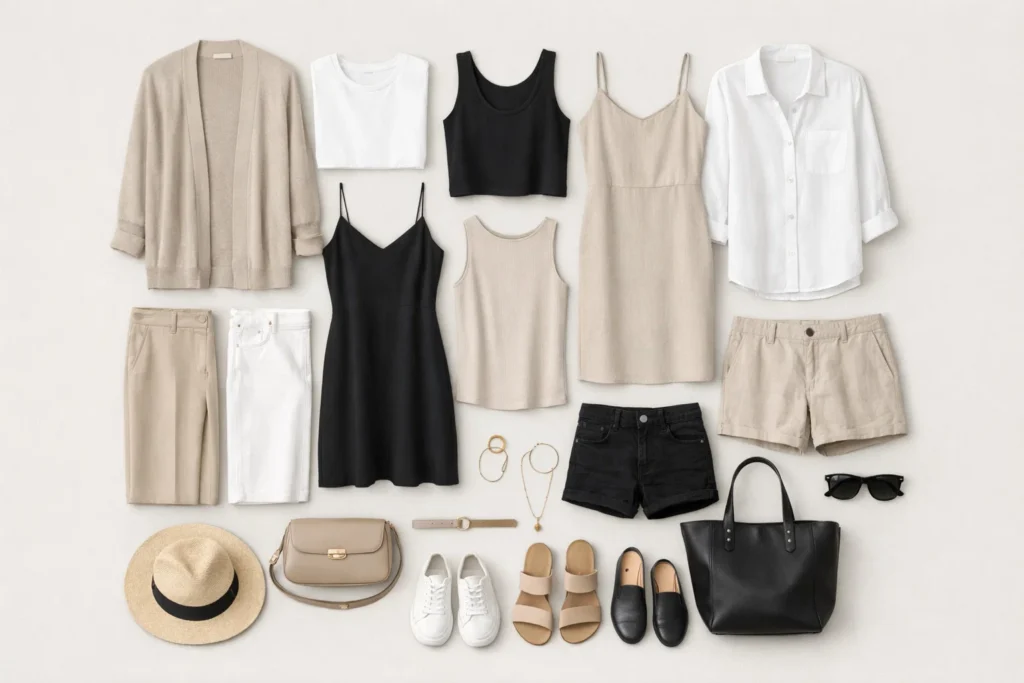
Creating a well-planned capsule wardrobe for Mexico travel eliminates overpacking while ensuring you have appropriate outfits for every situation. The key lies in selecting versatile pieces in a coordinated color palette that mix and match effortlessly.
Start with a neutral base color that works for your destination and season. Black, navy, or beige provides a foundation that pairs with everything. Add two or three accent colors that complement your base and each other. For beach destinations, consider tropical-inspired hues like coral, turquoise, or sunny yellow. For urban travel, jewel tones like emerald, sapphire, or burgundy create sophisticated combinations.
Pack three to four bottoms that serve different purposes. Include one pair of comfortable pants or jeans for cooler weather, travel days, or conservative settings. Add two pairs of shorts in different styles, such as denim cutoffs and dressier linen shorts. For women, a versatile skirt, either midi or maxi length, creates numerous outfit options when paired with different tops.
Select five to seven tops that coordinate with all your bottoms. Include a mix of tank tops, short-sleeve shirts, and one or two long-sleeve options. Choose different necklines and silhouettes to create visual variety from a limited number of pieces. At least one button-down shirt, either in linen or lightweight cotton, provides polish for nicer restaurants or cultural visits.
Two to three dresses handle multiple situations without taking much suitcase space. A casual sundress works for daytime activities, a maxi dress transitions from beach to dinner, and a slightly dressier option covers unexpected upscale occasions. Choose dresses in your established color palette that pair with the shoes and accessories you are bringing.
Layering pieces extend the versatility of your core items. A lightweight cardigan, denim jacket, or kimono-style cover-up transforms basic outfits into different looks while providing warmth for air-conditioned spaces or cooler evenings. These pieces pack flat and weigh little but significantly expand your outfit options.
Limit shoes to three pairs maximum. Comfortable walking sandals or sneakers serve as your primary footwear for daytime exploration. Add dressier sandals or wedges for evening and one pair of closed-toe shoes for activities, cooler weather, or travel days. Ensure every shoe you pack is already broken in and proven comfortable.
Accessories maximize outfit variety from minimal clothing. Scarves, statement necklaces, or bold earrings change the entire look of a simple dress or top-and-shorts combination. A crossbody bag in a neutral color works for daily activities, while a small clutch or dressy bag handles evening occasions without requiring much packing space.
Footwear Selection for Mexican Terrain
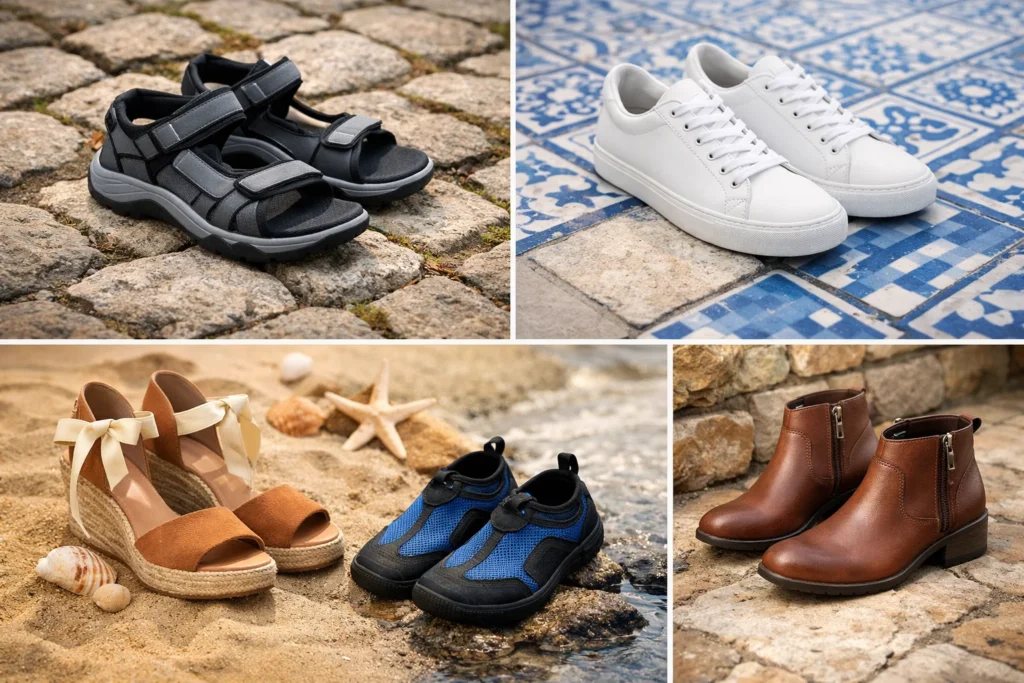
Choosing appropriate footwear for Mexico trips requires balancing style, comfort, and practicality. The terrain you will encounter ranges from sandy beaches to cobblestone streets to uneven archaeological sites, demanding shoes that perform well across varied conditions.
Quality walking sandals form the foundation of most Mexico packing lists. Look for sandals with contoured footbeds, adjustable straps, and rubber soles that provide traction. Brands specializing in comfort footwear offer styles that no longer sacrifice aesthetics for support. Leather or high-quality synthetic materials withstand saltwater exposure, frequent wearing, and varying temperatures better than cheap alternatives.
Flip-flops have limited use in Mexico beyond beach and pool access. While perfect for sandy situations, they lack support for extended walking and can be dangerous on wet tile surfaces common around pools and in bathrooms. If you pack flip-flops, choose sturdy versions with cushioned soles rather than the flimsiest options.
Sneakers or comfortable walking shoes prove essential for anyone planning active days or urban exploration. Mexico City’s extensive walking, uneven sidewalks, and hilly neighborhoods demand proper athletic or casual shoes. White leather sneakers have become fashion staples that work with everything from dresses to jeans while providing necessary support. Ensure your chosen sneakers can handle getting wet if visiting during rainy season.
For women, wedge sandals or espadrilles bridge the gap between casual and dressy better than most footwear options. A modest wedge height provides slight elevation for evening outfits without the discomfort or impracticality of high heels. Cork or woven wedge styles complement beach and resort aesthetics while remaining stable on most surfaces.
Ankle boots serve travelers visiting Mexico during cooler months or exploring highland regions. Choose versatile neutral colors like tan, brown, or black that coordinate with multiple outfits. Boots should be lightweight and breathable rather than heavy leather versions designed for true winter weather. Break them in thoroughly before your trip to avoid blisters.
Water shoes or amphibious sandals become relevant for travelers planning cenote visits, snorkeling trips, or water sports. These specialized items protect feet from sharp rocks or coral while allowing water drainage. Many sport sandal brands offer styles that look attractive enough for casual wear, eliminating the need to pack separate water-specific shoes.
Closed-toe shoes matter more than many travelers realize when packing for Mexico. Religious sites, upscale restaurants, and some cultural attractions expect covered toes and heels. Even in beach destinations, having one pair of closed-toe options prevents being turned away from certain venues or activities.
Swimwear and Beach Essentials
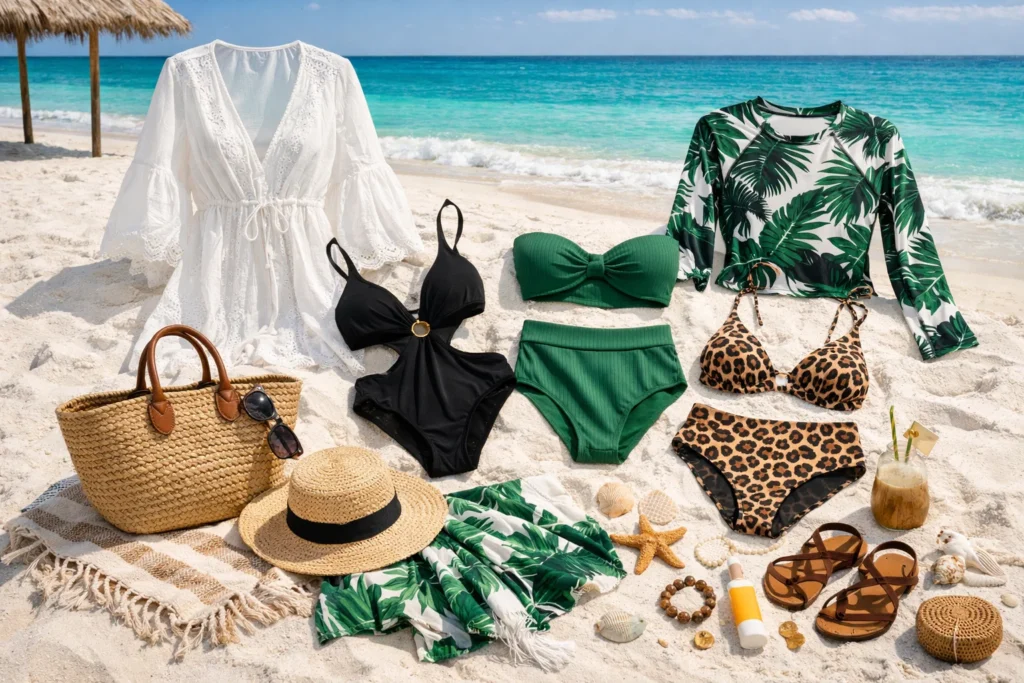
Beach time represents a highlight of many Mexico trips, requiring thoughtful swimwear selection and supporting accessories. Modern swimwear technology offers options that combine style, support, and sun protection far beyond basic bikinis.
Pack at least two complete swimsuits for any beach-focused trip. Having multiple suits means always having a dry option ready while allowing the previous day’s suit to dry completely. This rotation prevents mildew development and extends the life of your swimwear. If your trip involves significant water time, consider bringing three suits.
One-piece swimsuits have evolved dramatically beyond athletic tank styles. Modern one-pieces feature strategic cutouts, beautiful prints, and flattering silhouettes that photograph beautifully while providing more coverage and support than bikinis. High-cut legs create the illusion of longer legs, while deep-V necklines or interesting back designs add visual interest.
Bikinis remain popular Mexico beachwear, but current trends favor high-waisted bottoms over traditional low-rise styles. High-waisted bikinis provide more coverage, create flattering silhouettes, and allow for mixing tops and bottoms in different sizes to achieve better fit. Choose tops with adequate support for your activities, whether that means underwire, adjustable straps, or sporty styles.
Cover-ups serve both practical and stylistic purposes. A simple cotton or linen beach dress slips over your swimsuit for walking from your room to the beach or grabbing lunch at a beachfront restaurant. More elaborate kimono-style cover-ups or crochet pieces create outfit moments while still providing sun protection and modesty.
Rash guards or swim shirts have moved from purely functional surf gear to mainstream beach fashion. These long-sleeve tops provide excellent sun protection while looking sleek and sporty. They work equally well for swimming, snorkeling, paddleboarding, or any water activity where extended sun exposure poses risks.
Beach bags need to be large enough for sunscreen, water bottles, books, and other essentials while remaining easy to carry. Canvas totes or straw bags complement beach aesthetics better than gym bags or backpacks. Choose options with zipper closures to protect belongings from sand and potential opportunistic theft.
Sarongs or large scarves serve multiple beach purposes. Use them as impromptu beach blankets, tie them as skirts over swimsuits, drape them over shoulders for sun protection, or wrap them around wet hair. Lightweight, quick-drying fabrics work best for these versatile accessories.
Modest Dressing for Cultural Sites and Religious Locations
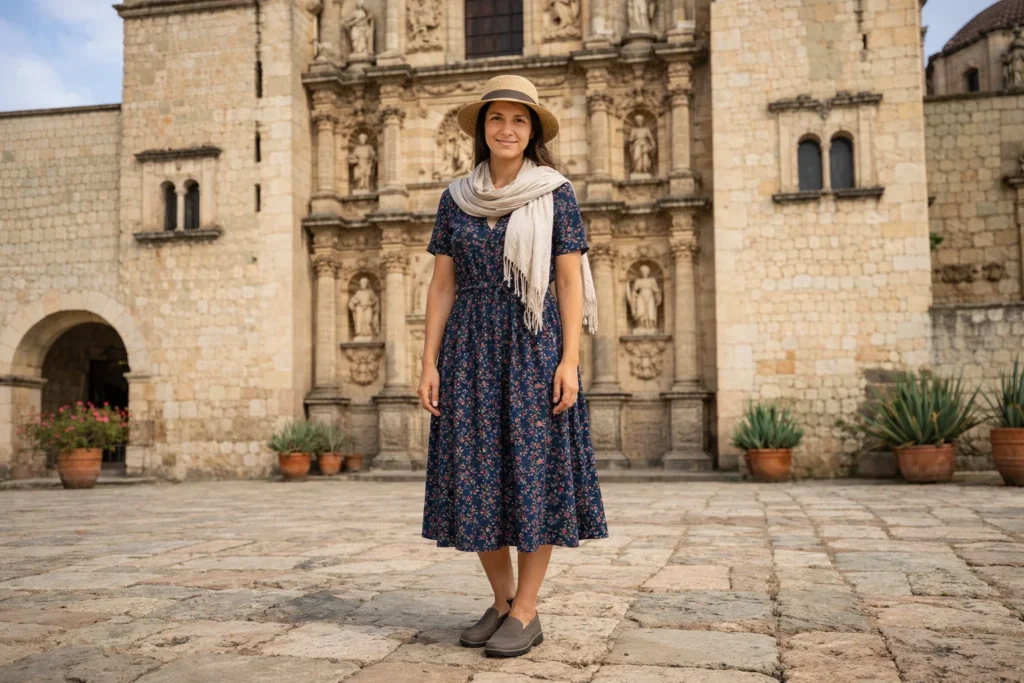
Mexico’s rich cultural heritage includes numerous churches, cathedrals, and sacred sites where modest dress demonstrates respect and often represents an entry requirement. Understanding and adhering to these dress codes enhances your travel experience while honoring local customs.
Many religious sites in Mexico explicitly require covered shoulders and knees for entry. This applies to both men and women, though enforcement often focuses more on women’s attire. Major sites like the Basilica of Our Lady of Guadalupe in Mexico City or historic churches in colonial cities maintain these standards consistently.
A lightweight scarf or large shawl becomes an invaluable accessory for cultural site visits. Drape it over bare shoulders before entering a church, wrap it around your waist to extend a short skirt, or use it to cover your head if required. Choose a scarf in a neutral color that coordinates with most outfits to maximize its usefulness.
Midi and maxi length dresses or skirts automatically meet most modesty requirements while remaining comfortable in Mexico’s climate. These pieces eliminate the need to worry about dress codes or carry extra coverage items. Pair them with comfortable walking shoes since many historic sites involve extensive walking on uneven surfaces.
Casual pants or jeans work well for days involving multiple cultural site visits. While dresses feel cooler in hot weather, pants ensure you never face entry denial due to inappropriate attire. Choose lightweight fabrics if visiting during warmer months to maintain comfort while meeting coverage expectations.
Understanding the difference between resort areas and traditional communities helps guide outfit choices. What is acceptable at a Cancun hotel pool would be inappropriate for visiting a Oaxacan village market or attending Mass at a historic cathedral. Pack at least a few conservative outfit options if your itinerary includes cultural immersion or authentic community interactions.
Some indigenous communities or traditional areas have specific customs beyond standard modesty expectations. Research your destinations in advance, particularly if visiting smaller towns or participating in cultural experiences. When in doubt, err on the side of more coverage and conservative styling.
Practical Accessories and Sun Protection
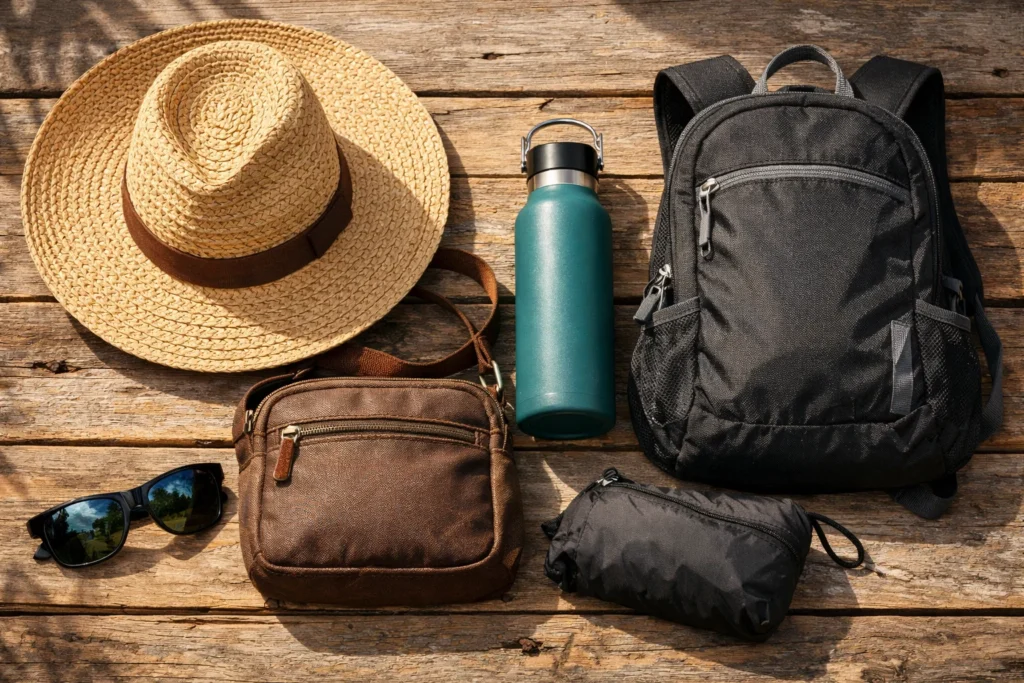
Beyond clothing, strategic accessories make significant differences in comfort and functionality during Mexico trips. Sun protection ranks as perhaps the most critical accessory category given Mexico’s proximity to the equator and strong UV exposure.
Wide-brimmed hats provide essential sun protection while adding style to any outfit. Straw hats complement beach and resort settings, while canvas or cotton hats work better for urban exploration or adventure activities. Ensure your hat has an adjustable internal band or chin strap to prevent it from blowing away during breezy beach days or boat trips.
Sunglasses need to provide full UV protection rather than just looking stylish. Mexico’s intense sun can cause eye damage without proper protection. Polarized lenses reduce glare from water or pavement, making them particularly valuable for beach destinations or driving. Choose classic styles in neutral colors that coordinate with various outfits rather than trendy options that might not last beyond current season.
Crossbody bags or belt bags allow hands-free exploration while keeping essentials secure. These practical accessories work particularly well in crowded markets, busy tourist areas, or when using public transportation. Choose water-resistant materials if planning beach days or travel during rainy season. Interior organization with multiple compartments helps separate items like phones, cash, and passports.
Reusable water bottles reduce plastic waste while ensuring hydration in Mexico’s warm climate. Insulated bottles keep water cold for hours, making them worth their slightly higher price and weight. Some travelers bring bottles with built-in filters for extra safety when water quality is uncertain.
Daypack or small backpack becomes necessary for longer excursions, archaeological site visits, or adventure activities. Choose lightweight options with padded straps and multiple compartments. Water-resistant or waterproof materials protect contents during unexpected rain showers. Ensure the pack includes security features like locking zippers or slash-proof materials when exploring busy tourist areas.
Packable rain jackets fold small enough to fit in a daypack but provide essential protection during afternoon thunderstorms. Bright colors increase visibility while adding pops of color to neutral outfit bases. Choose jackets with hoods and adequate length to protect both upper body and hips or waist area.
Travel wallets or passport organizers keep important documents secure and organized. These accessories typically include RFID blocking material to prevent digital theft, multiple compartments for different currencies or cards, and attachment options to secure them to bags or luggage. Keep a photocopy of your passport separate from the original as backup.
Evening and Dining Outfit Considerations
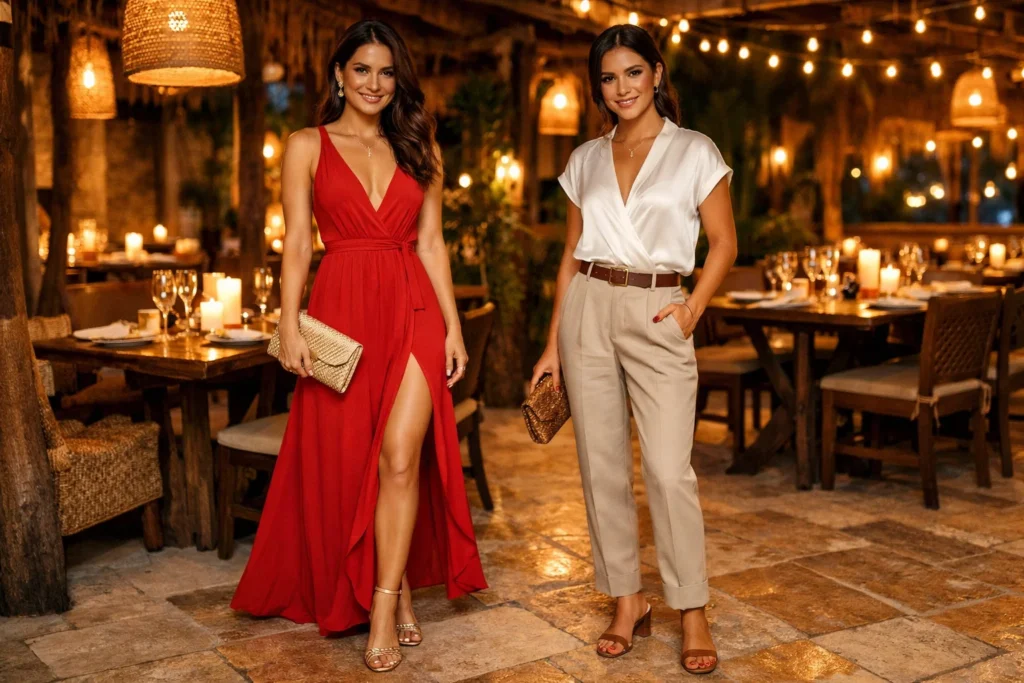
Evenings in Mexico often involve dining experiences ranging from casual street tacos to upscale resort restaurants, requiring outfit flexibility. Understanding typical dining cultures helps you pack appropriately without over or under-dressing for various occasions.
Casual beach towns maintain relaxed dress codes even at nicer establishments. A simple sundress or maxi dress paired with sandals satisfies most restaurant requirements while remaining comfortable in warm evening temperatures. Men typically wear casual button-down shirts with shorts or lightweight pants rather than t-shirts and board shorts.
Resort dining, particularly at all-inclusive properties, often implements evening dress codes. These usually specify no swimwear, tank tops, or flip-flops at dinner. Women’s sundresses or casual maxi dresses meet these requirements easily, while men need collared shirts and closed-toe shoes. Check your specific resort’s policies before packing to avoid surprises.
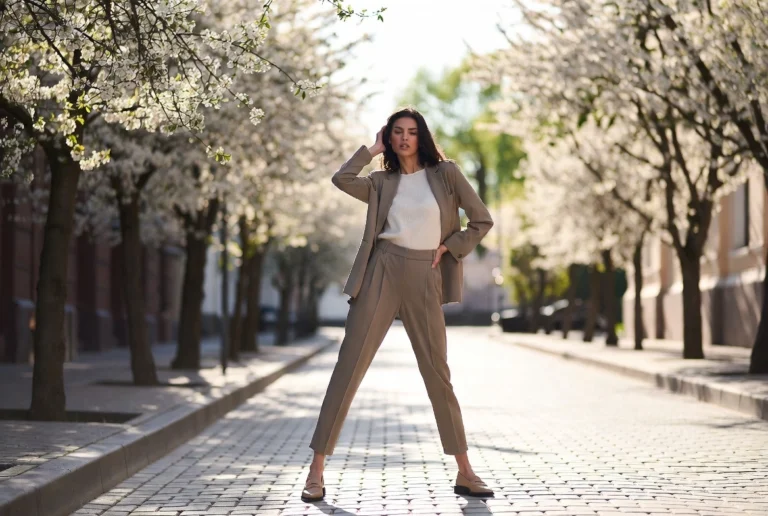
Mexico City and other major urban centers embrace sophisticated dining scenes where nice-casual to dressy-casual represents standard attire. Women might wear midi dresses, blouses with tailored pants, or stylish jumpsuits. Men typically choose button-down shirts with jeans or chinos rather than shorts. A blazer elevates simple outfits when visiting particularly upscale establishments.
Rooftop bars and trendy nightlife venues in cities like Playa del Carmen, Cabo, or Mexico City often have unofficial dress codes based on the clientele they attract. Research specific venues if planning nights out at popular spots. Generally, these places expect more polished looks than daytime tourist attire. Think dresses rather than shorts, closed-toe shoes rather than flip-flops, and perhaps light makeup or accessories.
Cultural performances, live music venues, or theater events warrant slightly dressier outfits than everyday sightseeing wear. A nice dress or coordinating separates show respect for the performers and venue while remaining appropriate for the climate. These occasions offer opportunities to wear any dressier items you brought without feeling overdone.
Street food and casual local restaurants require no special outfit considerations beyond what you would wear during the day. These authentic dining experiences value accessibility over formality. Comfortable, practical clothing that you do not mind potentially staining proves most suitable for adventurous food exploration.
Temperature changes between outdoor dining and air-conditioned interior spaces can be dramatic. Bring a light cardigan, wrap, or jacket for evening dining even during warm months. Many restaurants over-cool their spaces, making these light layers essential for comfort during meals.
Choosing outfits that transition easily from day to evening maximizes packing efficiency. A casual dress worn with sandals and a crossbody bag during daytime sightseeing becomes evening-appropriate when you swap in dressier shoes and a clutch bag. This versatility allows you to enjoy impromptu dining opportunities without returning to your accommodation to change.
Conclusion
Successfully dressing for Mexico travel requires understanding the country’s regional diversity, seasonal variations, and cultural expectations while maintaining personal style and comfort. The outfits you select should accommodate everything from beach relaxation to urban exploration, from casual dining to cultural site visits, all while protecting you from intense sun exposure and potential weather changes.
Building a thoughtful Mexico travel wardrobe starts with researching your specific destinations and their typical weather patterns during your travel dates. Layer in consideration for your planned activities, whether that involves adventure sports, cultural tours, resort relaxation, or urban dining experiences. Select versatile pieces in coordinated colors that mix and match easily, reducing the total number of items while maximizing outfit possibilities.
Remember that comfort and practicality should drive your packing decisions as much as aesthetics. Shoes that cause blisters or fabrics that trap heat will diminish your enjoyment regardless of how stylish they appear. Prioritize quality basics that perform well over trendy pieces that might photograph nicely but fail in real-world conditions.
Your Mexico outfits should reflect both the destination’s vibrant culture and your personal style preferences. Feel free to embrace colorful patterns, flowing silhouettes, and artisan accessories that connect with Mexico’s aesthetic while remaining true to what makes you feel confident and comfortable. The goal is creating a wardrobe that allows you to move effortlessly through varied experiences without worrying about what you are wearing.
With proper planning and smart packing, your Mexico wardrobe will enhance rather than complicate your travel experience, allowing you to focus on creating memories, exploring new places, and immersing yourself in one of North America’s most diverse and exciting destinations.
You may also like this post: Business Casual Outfit for Men 2026 | Fall Office-Ready Work Outfits & Styling Ideas
Frequently Asked Questions
What should I wear in Mexico City?
Mexico City requires layering due to its high altitude climate. Pack jeans or casual pants, long-sleeve shirts, sweaters, and a light jacket for mornings and evenings. Afternoons warm up enough for short sleeves, but temperatures drop significantly after sunset. Locals rarely wear shorts, so pants or longer skirts help you blend in better while exploring the city.
Do I need different outfits for beach vs inland Mexico?
Yes, coastal and inland regions require completely different wardrobes. Beach destinations need lightweight, breathable clothing like sundresses, shorts, swimwear, and sandals. Inland cities like Mexico City or Oaxaca demand more coverage with pants, closed-toe shoes, and layers for temperature variations. If visiting both areas in one trip, pack for both climates.
What is considered inappropriate to wear in Mexico?
Very short shorts, revealing tank tops, and beachwear worn away from beach areas can be considered inappropriate, especially in conservative areas or religious sites. Most churches require covered shoulders and knees for entry. Mexico City locals dress more conservatively than resort areas, favoring pants over shorts and covered footwear over flip-flops.
Should I pack rain gear for Mexico?
Rain gear depends on your travel season and destination. Summer months (May through October) bring rainy season with afternoon thunderstorms. Pack a lightweight rain jacket or packable poncho if traveling during these months. Dry season (November through April) sees minimal rain, though an umbrella might still be useful occasionally. Coastal regions experience more precipitation than desert areas.
What shoes work best for Mexico travel?
Comfortable walking sandals with good arch support serve most Mexico destinations well. Add quality sneakers for extensive urban exploration or active days. Bring one pair of closed-toe shoes for religious sites, upscale restaurants, or cooler weather. Beach destinations may need water shoes for cenotes or rocky beaches. Limit yourself to three pairs maximum to avoid overpacking.
3 Comments