
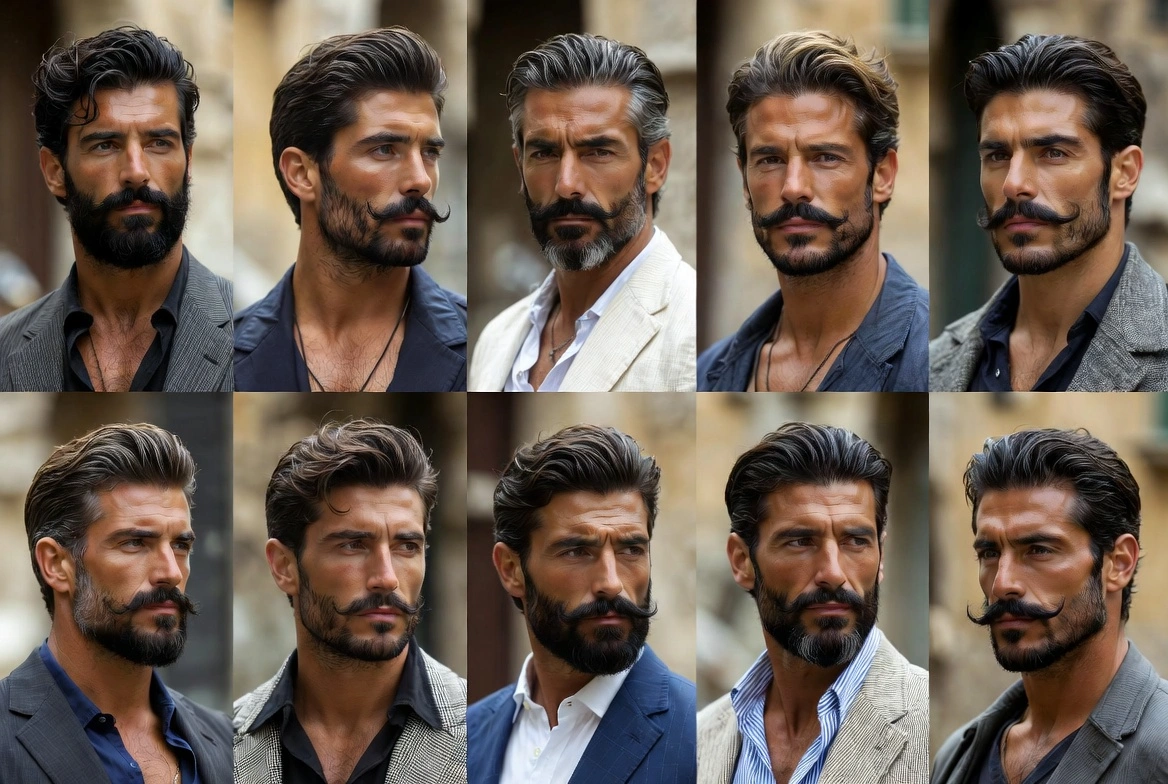
19+ Powerful Italian Beard Styles That Command Respect and Confidence
There exists a certain magnetism when a man walks into a room sporting an impeccably groomed Italian beard. It commands attention without demanding it, exudes confidence without arrogance, and communicates that this man understands the power of presentation. Italian beard styles represent far more than facial hair trends. They embody centuries of grooming philosophy, cultural pride, and an understanding that true masculine style lies in the details.
From the cobblestone streets of Rome to the fashion-forward boulevards of Milan, Italian men have long mastered the art of transforming facial hair into personal statements of power and sophistication. These beard styles blend rugged masculinity with refined elegance, creating looks that work equally well in boardrooms and beach clubs. The Italian approach to grooming teaches us that a well-maintained beard elevates your entire presence, turning simple facial hair into a signature element of personal style.
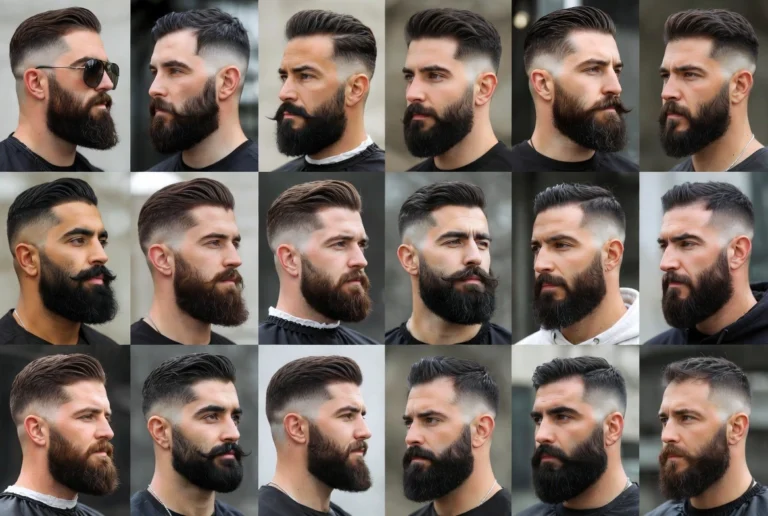
This comprehensive guide explores nineteen powerful Italian beard styles that have defined masculine grooming for generations. Whether you prefer the understated elegance of designer stubble or the commanding presence of a full Italian beard, these styles offer something for every man seeking to elevate his appearance through thoughtful grooming. Let’s discover how these timeless looks can transform not just your facial hair, but your entire approach to personal presentation.
Understanding the Italian Beard Philosophy
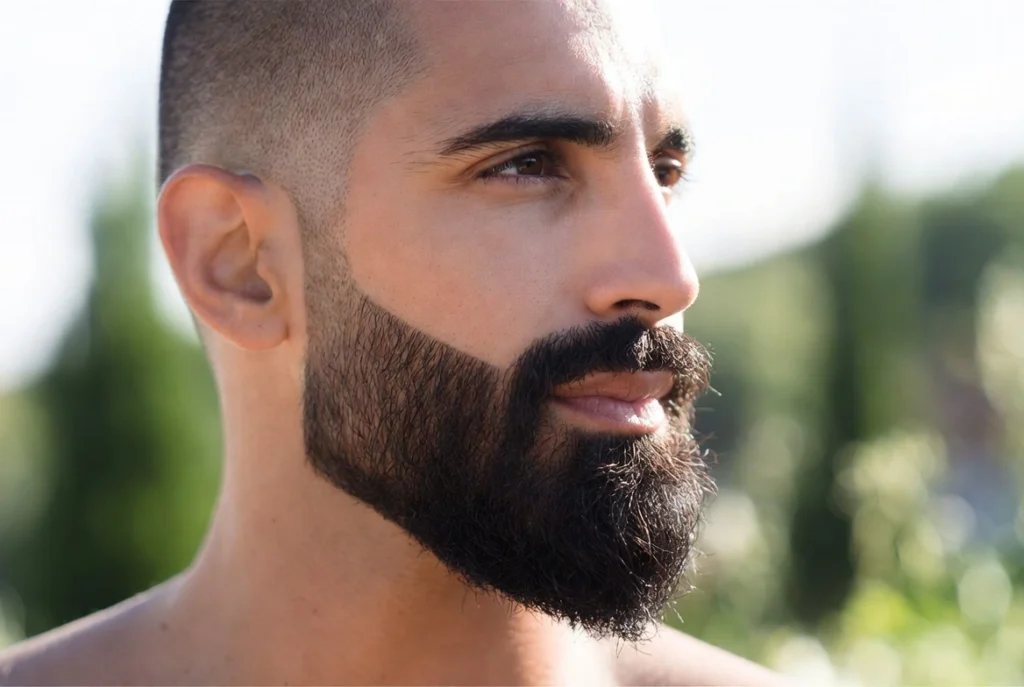
Before exploring specific styles, understanding what makes Italian beards distinctly powerful proves essential. Italian grooming philosophy centers on a concept called sprezzatura, meaning studied carelessness that appears effortless. This approach applies perfectly to facial hair. An Italian beard should look naturally magnificent while actually requiring dedicated attention and maintenance.
Italian beard styles prioritize clean lines and deliberate shaping over wild, untamed growth. These looks feature precise edges along cheeks and necklines, carefully maintained lengths, and seamless integration between beard and mustache. The emphasis falls on enhancing your natural facial structure rather than hiding it beneath excessive hair. This architectural approach to beard styling creates definition and masculine angles that command respect in any setting.
The cultural significance runs deeper than aesthetics. Throughout Italian history, from Roman emperors to Renaissance artists to modern cinema icons, facial hair has symbolized wisdom, maturity, and masculine authority. When you adopt an Italian beard style, you connect with this rich heritage while making it distinctly your own through personal grooming choices and maintenance routines.
The Classic Full Italian Beard
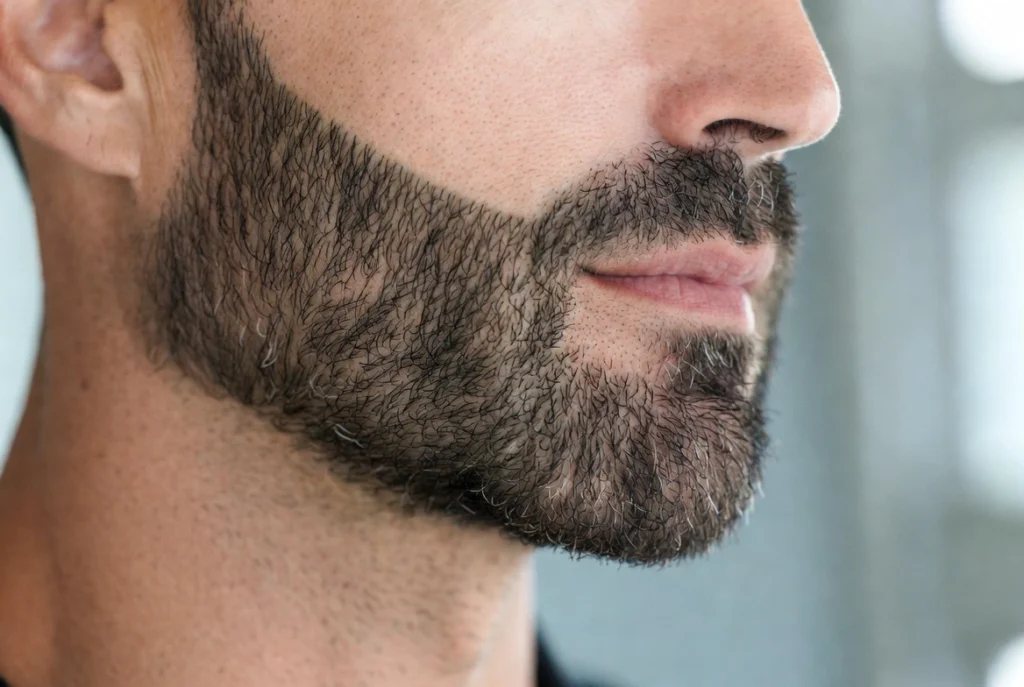
The classic full Italian beard represents the foundation of powerful facial hair styling. This look features medium length facial hair, typically one to two inches, with full coverage across the jawline, cheeks, and chin. Unlike unkempt full beards, the Italian version maintains sharp cheek lines and a defined neckline that creates structure and intention.
Think of icons like George Clooney in his most distinguished moments. The beard appears naturally full yet carefully shaped, demonstrating that you value your appearance without seeming vain. The key differentiator from other full beard styles lies in proportional balance. The Italian approach ensures facial hair enhances rather than overwhelms your features, creating harmony between beard and face.
Achieving this style requires patience during the growth phase followed by disciplined maintenance. Allow at least six to eight weeks of growth to reach appropriate fullness. Then establish clean cheek lines that follow your natural facial structure. The neckline should sit approximately one to two fingers above your Adam’s apple, creating definition without appearing too sculpted. Regular trimming maintains even length while beard oil keeps the hair soft and the skin beneath healthy.
Italian Designer Stubble
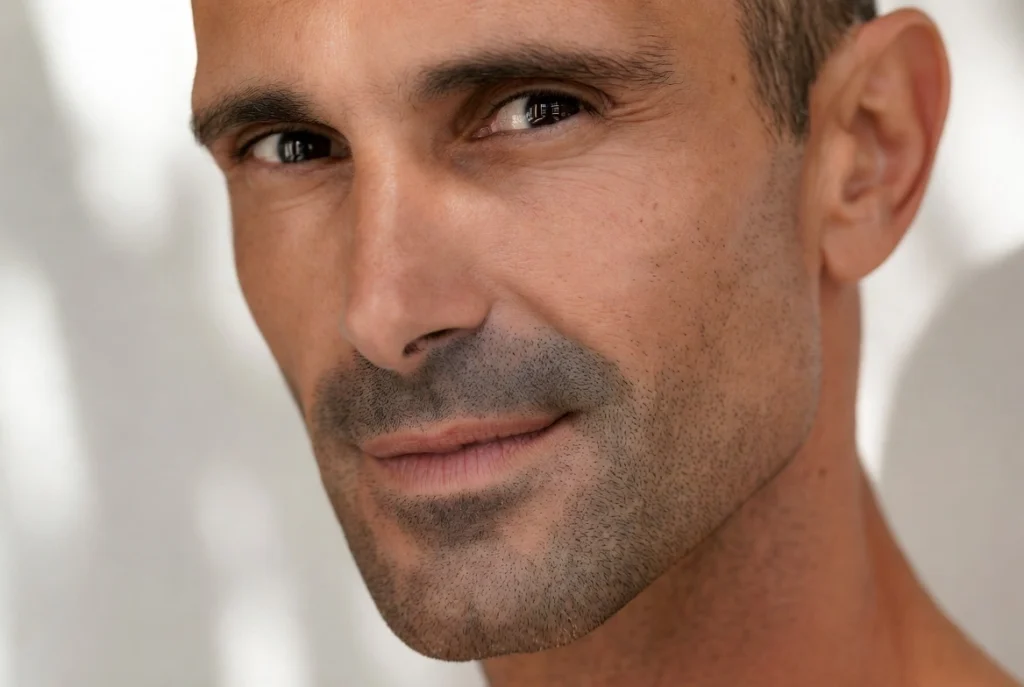
For men seeking powerful style with minimal maintenance, Italian designer stubble delivers maximum impact with minimal length. This look maintains facial hair at two to three millimeters, creating that perfectly imperfect shadow that suggests masculine confidence without the commitment of longer styles. Italian stubble differs from simple neglect through its even coverage and sharply defined edges.
The appeal lies in its versatility. Designer stubble transitions seamlessly from business meetings to casual weekends, from formal events to beach vacations. It suggests you’re put-together yet approachable, confident yet relaxed. Many Italian actors and athletes favor this style precisely because it photographs beautifully while requiring relatively simple upkeep compared to longer beards.
Maintaining designer stubble requires consistent trimming every two to three days using a quality trimmer set to appropriate length. Pay careful attention to neckline and cheek edges, keeping them sharply defined even at this short length. The precision of these edges separates intentional Italian stubble from mere laziness. Apply beard oil even at this short length to prevent itching and keep skin healthy beneath the hair.
The Balbo Beard Power Statement
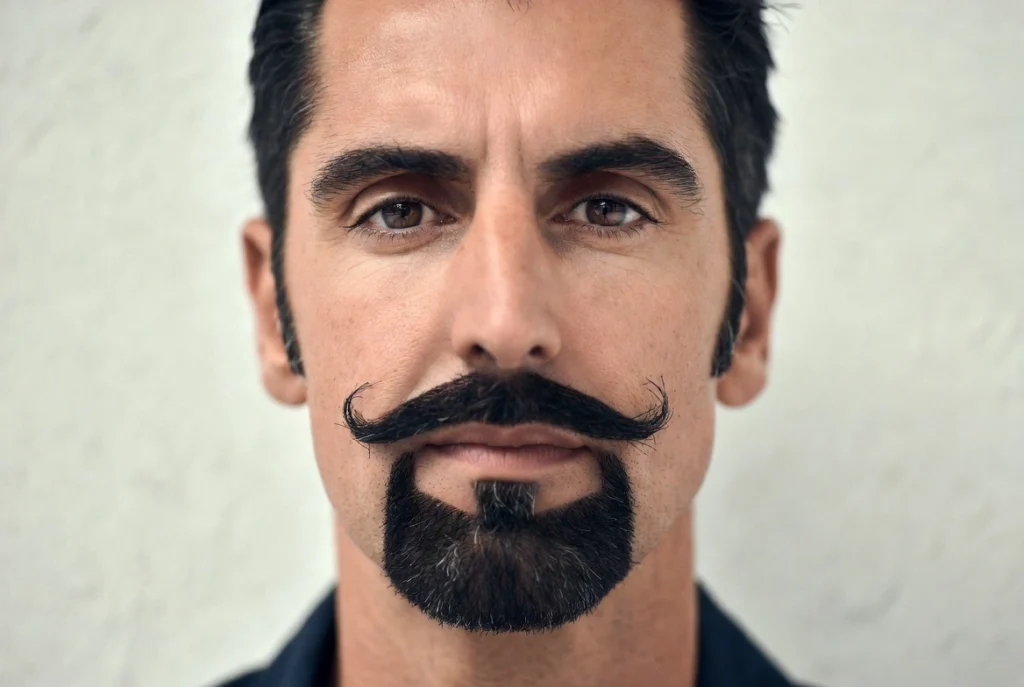
Named after Italian aviator Italo Balbo, this distinctive style makes a powerful statement through its unique structure. The Balbo features a floating mustache disconnected from a defined chin beard, creating visual interest and masculine drama. This separation creates the illusion of enhanced jawline definition, making it particularly flattering for men with rounder faces or softer jaw structures.
The Balbo’s power lies in its boldness. This isn’t a beard for men who prefer blending into backgrounds. It announces that you’ve made deliberate grooming choices and possess the confidence to carry distinctive styling. The historical connection to Italian aviation history adds cultural weight, connecting modern grooming to Italy’s rich past.
Creating a proper Balbo requires precision. Remove all hair connecting the mustache to the chin beard, maintaining clean separation. The chin beard itself should be well-defined with sharp edges, while the mustache remains neatly trimmed. This style demands regular maintenance to preserve distinct sections. Any growth connecting the separated areas immediately compromises the look’s impact and definition.
Italian Corporate Sophistication

The Italian corporate beard addresses a common professional challenge: looking polished and trustworthy while maintaining facial hair in business environments. This style features medium-short length, typically half an inch to one inch, with immaculate grooming and conservative shaping. It communicates professionalism without the severity of clean-shaven faces or the casualness of longer beards.
What makes this style particularly powerful is its ability to soften formal business attire while maintaining complete appropriateness for conservative environments. Law firms, financial institutions, and corporate headquarters all welcome this refined approach to facial hair. The beard adds personality and distinction without compromising professional credibility.
The corporate Italian beard requires consistent maintenance. Trim weekly to maintain even length and sharp edges. The cheek lines should be conservative, not extending too high on the face. The neckline must be impeccably defined, as any growth below the proper line immediately reads as unkempt in professional settings. Use beard balm daily to maintain structure and prevent stray hairs from disrupting the clean appearance.
The Italian Goatee Refinement
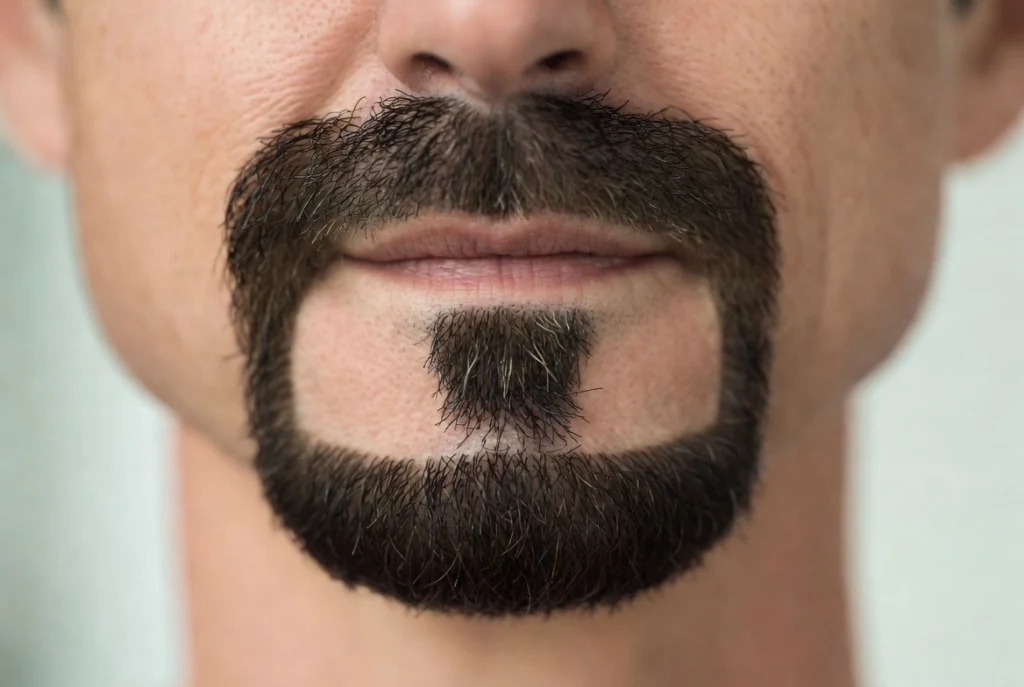
The Italian goatee represents refined minimalism, featuring a perfectly rounded connection between mustache and chin beard while keeping cheeks clean-shaven. This classic style has remained popular across generations because it flatters most face shapes while requiring manageable maintenance. The Italian interpretation emphasizes symmetry and precision over casual approximation.
The goatee’s power comes from its ability to enhance facial features without dominating them. It draws attention to the mouth and chin, creating a focal point that adds character during conversations. For men with weak chins or softer jawlines, a well-shaped goatee adds definition and masculine presence. The clean cheeks keep the look from appearing too heavy or overwhelming.
Achieving the perfect circular shape requires careful trimming with quality tools. Use a precision trimmer to maintain even length across the goatee while keeping edges sharply defined. The connection between mustache and chin beard should appear seamless, without gaps or uneven areas. Shave cheeks and neck regularly to maintain the clean contrast essential to this style’s impact.
Salt and Pepper Italian Distinction

As men age, the salt and pepper Italian beard transforms potential concerns about graying hair into powerful statements of maturity and wisdom. This style embraces the natural blend of gray and dark tones, allowing them to create depth and visual interest rather than concealing them through dye. The Italian approach celebrates aging as a sign of experience worth displaying proudly.
The salt and pepper beard carries inherent authority. Gray hair historically symbolizes wisdom, experience, and earned respect. When properly groomed and maintained, this natural coloring elevates your presence in professional and social settings. Many men report that embracing their gray actually improved how others perceive their expertise and credibility.
Maintaining a salt and pepper beard requires extra attention to conditioning and grooming. Gray hair tends toward coarser texture, making regular use of beard oil and balm essential for softness and manageability. Keep edges sharp and length even to prevent the beard from appearing unkempt. The goal is distinguished elegance, not disheveled neglect.
The Van Dyke Italian Elegance
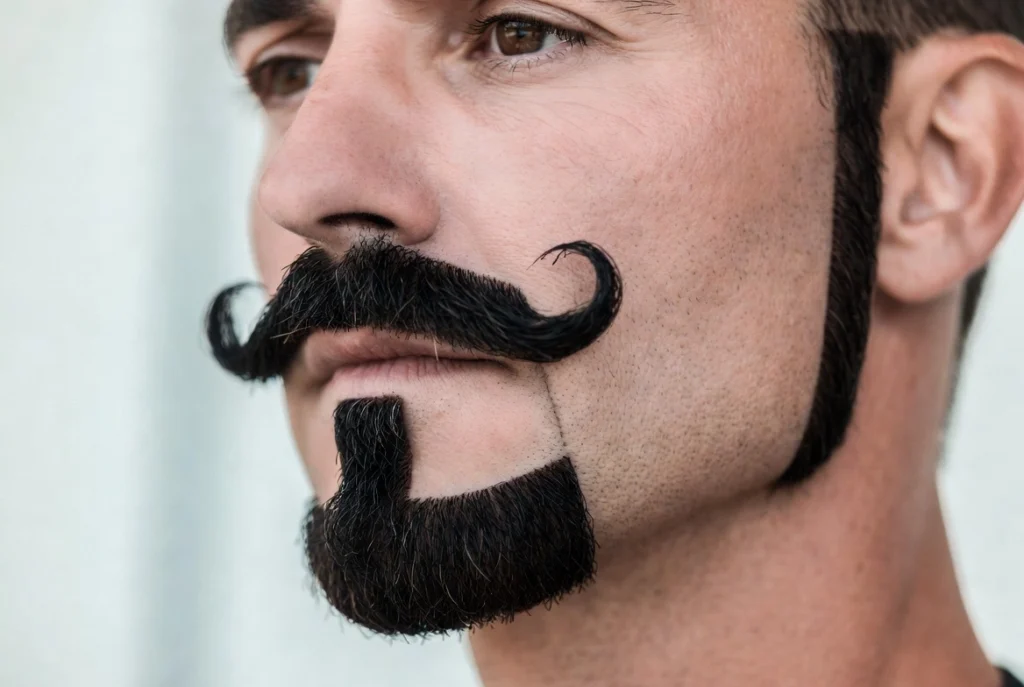
The Van Dyke beard combines a detached mustache with a pointed goatee, creating a sophisticated look with Renaissance roots. This style exudes artistic flair and confident individualism while maintaining the refined precision characteristic of Italian grooming. The pointed chin beard elongates the face, making it particularly flattering for men with rounder facial structures.
What makes the Van Dyke powerful is its unmistakable intentionality. This look requires skill and dedication to maintain properly, signaling that you invest time in your appearance and value personal presentation. The historical connection to European aristocracy and artistic movements adds cultural depth that elevates simple facial hair into personal statement.
Creating a proper Van Dyke demands precision trimming and regular maintenance. The mustache must remain completely separate from the chin beard, with clean-shaven areas between them. The goatee should taper to a defined point at the chin, requiring careful shaping to maintain symmetry. Any connected growth or blurring of distinct sections compromises the style’s sharp elegance.
Italian Stubble with Defined Mustache
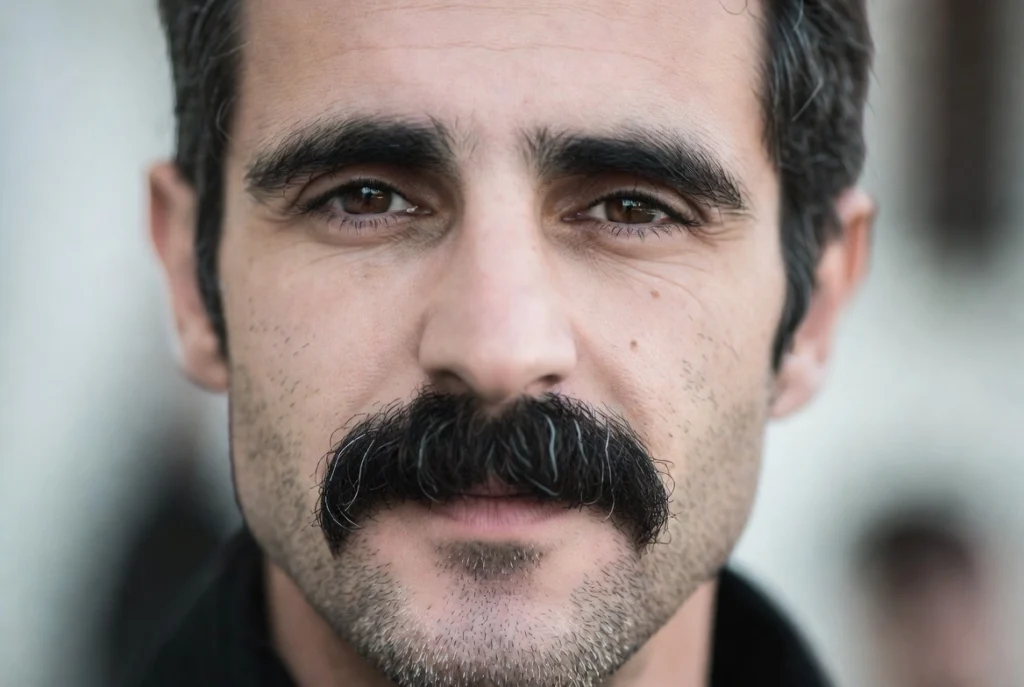
This powerful combination pairs light stubble coverage with a distinctly groomed mustache, creating interesting contrast and visual focus. The stubble provides masculine texture across the jawline while the more substantial mustache adds character and refinement. This style works particularly well for men with patchy cheek growth, as the stubble makes uneven areas less noticeable.
The defined mustache draws attention during conversation, adding expressiveness to your face. Meanwhile, the stubble provides enough coverage to enhance jaw definition without the maintenance demands of longer styles. This combination feels approachable yet styled, casual yet intentional. It suggests confidence without appearing to try too hard.
Maintaining this look requires trimming stubble every two to three days while allowing the mustache to grow slightly longer. Shape the mustache carefully, keeping it neat without excessive styling products. The contrast in length between mustache and stubble creates the visual interest that makes this style distinctive and memorable.
The Short Italian Professional
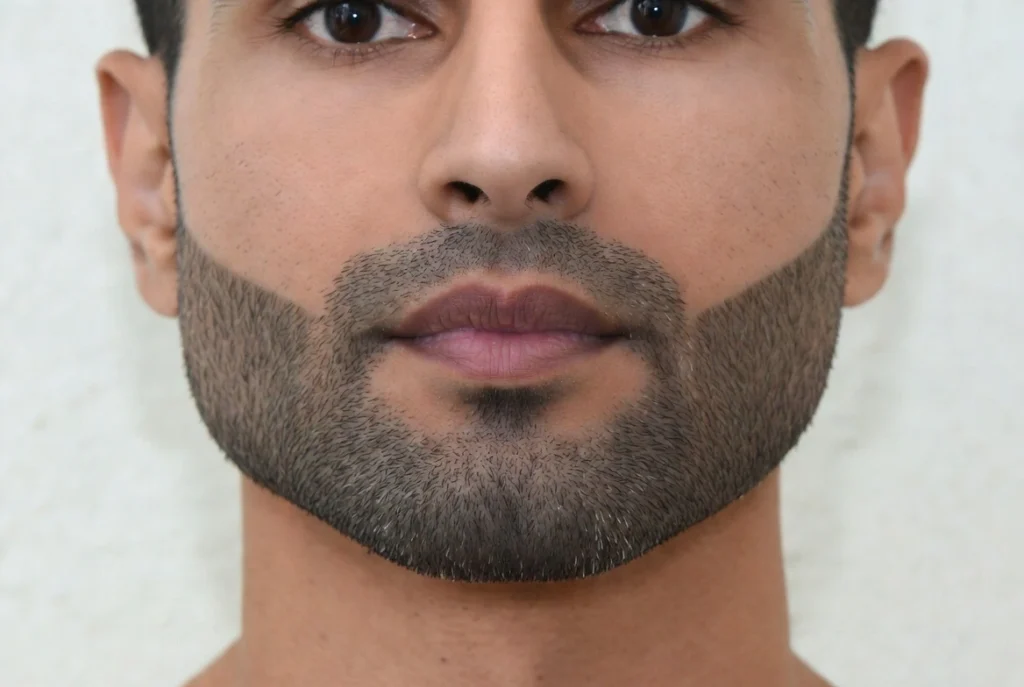
The short Italian professional beard offers clean sophistication with minimal length, typically maintained at three to five millimeters. This style provides enough coverage to add definition and character while remaining conservative enough for the most formal professional environments. It represents the ultimate balance between facial hair and clean-shaven appearance.
This beard’s power lies in its universal appropriateness. It works in every professional setting, complements every wardrobe choice, and flatters virtually every face shape. The short length ensures it never appears unkempt even if you skip a day of trimming. For men transitioning from clean-shaven to bearded, this style offers an excellent starting point that builds confidence gradually.
Maintaining the short professional beard requires consistent trimming every three to four days. Use a quality trimmer with guard attachments to ensure even length across all areas. Pay special attention to neck and cheek lines, keeping them sharply defined. This precision separates intentional styling from simple neglect of shaving responsibilities.
Italian Circle Beard Symmetry
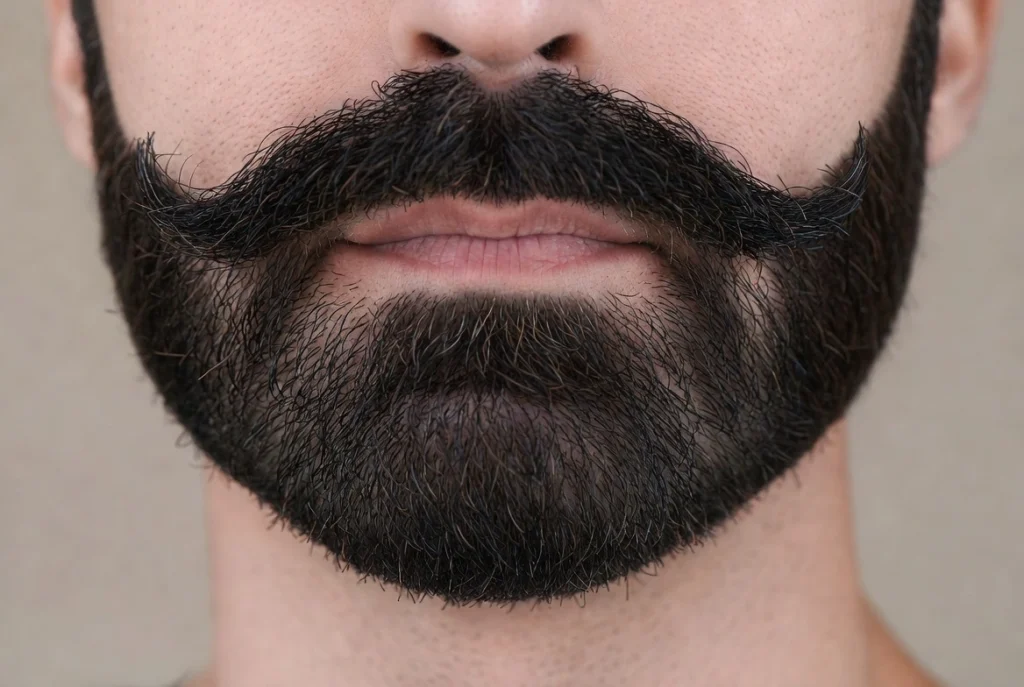
The Italian circle beard creates perfect symmetry by connecting mustache to chin beard in smooth, rounded form. This style emphasizes balance and harmony, creating a focal point that enhances facial features without overwhelming them. The circular shape works particularly well for square and round face shapes, adding definition and interest to the lower face.
The circle beard’s elegance comes from its geometric precision. When executed properly, it appears simple yet sophisticated, easy yet refined. This timeless style has appeared throughout Italian grooming history because it simply works across eras and fashion trends. It’s neither too bold nor too subtle, achieving that ideal balance Italian style celebrates.
Creating the perfect circle requires careful trimming with precision tools. Maintain even length throughout the beard while keeping the circular perimeter sharply defined. The edges should be smooth and consistent, without angular corners or uneven curves. Regular maintenance every four to five days preserves the clean circular shape essential to this style’s impact.
The Pointed Italian Beard

The pointed Italian beard features tapered sides that create a defined point at the chin, elongating the face and adding dramatic flair. This style works exceptionally well for men with rounder faces who want to create the illusion of a more angular jaw structure. The downward point draws the eye vertically, creating length and definition.
This beard style projects boldness and individuality. The pointed shape feels intentional and artistic, suggesting confidence in your personal style choices. It evokes images of Italian Renaissance artists and philosophers, connecting modern grooming to centuries of cultural heritage. When paired with appropriate clothing and grooming, the pointed beard elevates your entire presentation.
Achieving the proper taper requires skilled trimming technique. Keep hair longer at the chin while gradually reducing length toward the jawline and sides. The point should be sharp and well-defined, not rounded or blunt. Regular shaping maintains the precise angles that give this style its distinctive character and masculine power.
Italian Beard with Fade
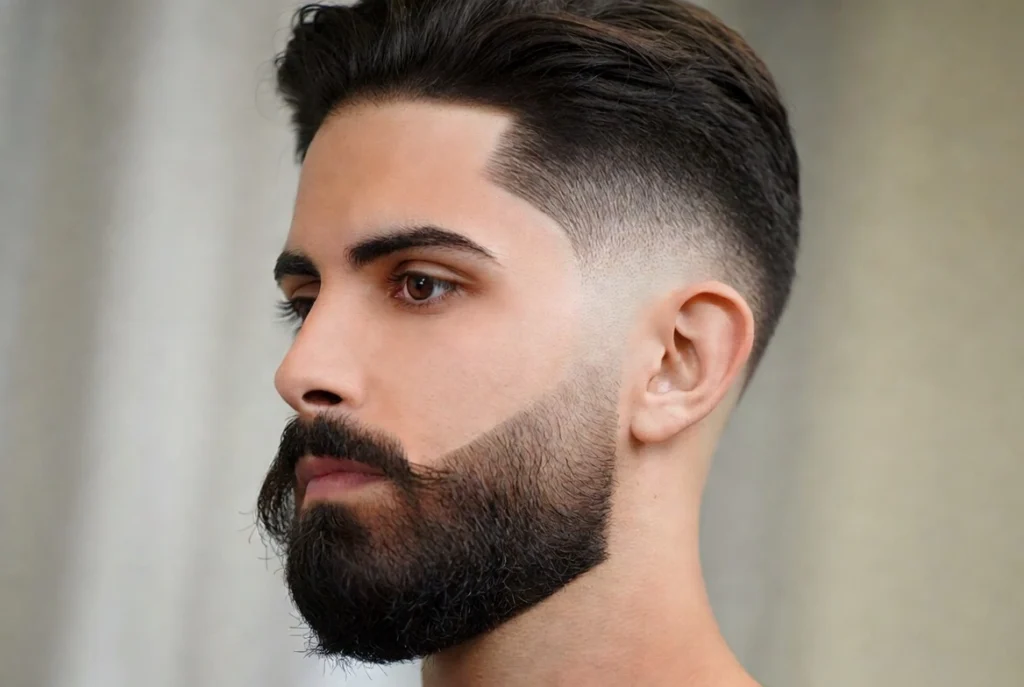
The Italian beard fade combines traditional full beard coverage with modern barbering techniques, creating smooth transitions from longer beard hair to shorter sides or clean-shaven areas. This contemporary interpretation of Italian grooming demonstrates how classic styles evolve while maintaining core principles of precision and intentionality.
The fade adds dimension and visual interest, preventing the beard from appearing flat or one-dimensional. It also creates the illusion of enhanced facial structure, making jawlines appear more defined and faces more angular. This modern touch appeals to younger men who appreciate Italian grooming heritage while wanting contemporary edge.
Creating a proper beard fade requires professional barbering skills. The transition should be gradual and seamless, not abrupt or obvious. Most men visit barbers every two to three weeks to maintain clean fades, as home maintenance of such precise work proves challenging. Between professional visits, maintain the beard’s length and keep edges sharp.
The Garibaldi Italian Statement
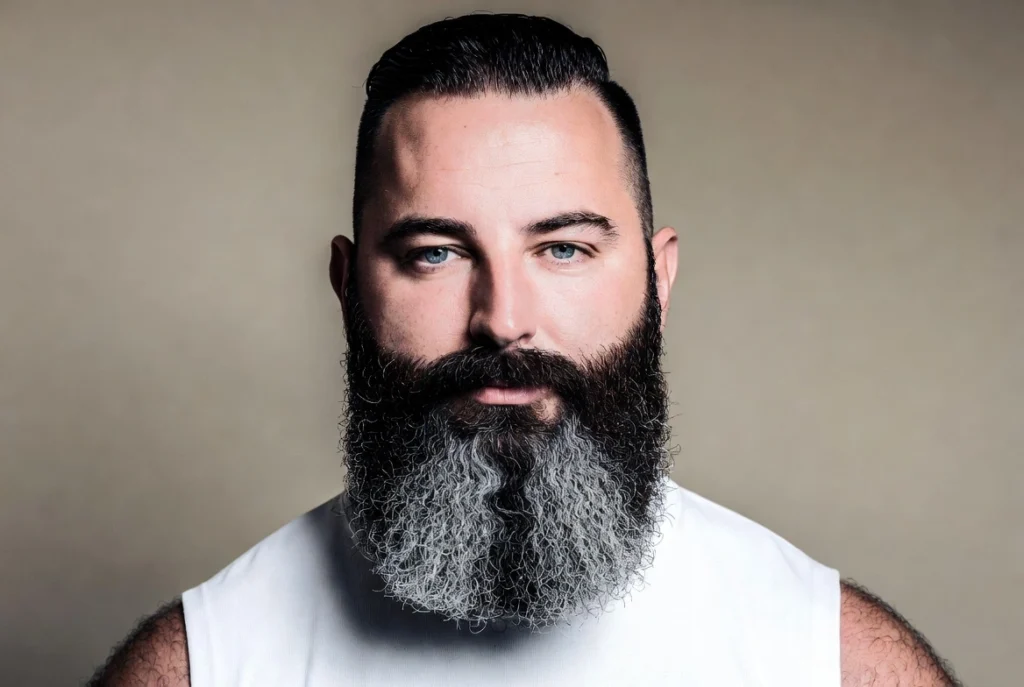
Named after Italian general Giuseppe Garibaldi, this full, rounded beard makes a powerful masculine statement. The Garibaldi features substantial length and volume with a natural, slightly untamed quality while maintaining the clean neckline and cheek lines characteristic of Italian grooming. It balances rugged masculinity with refined intention.
This beard style projects strength, confidence, and bold masculinity. It works particularly well for men with broad faces and strong features who can carry more substantial facial hair. The volume adds presence and authority, making you appear larger and more commanding. Historical connections to Italian military heroism add cultural weight to personal grooming choices.
Maintaining a Garibaldi requires regular conditioning to prevent the substantial length from becoming dry or unruly. Trim the neckline and cheek lines regularly while allowing the beard itself to maintain natural fullness. Use beard oil daily and balm for shaping. The goal is controlled volume, not wild neglect.
Italian Royale Precision
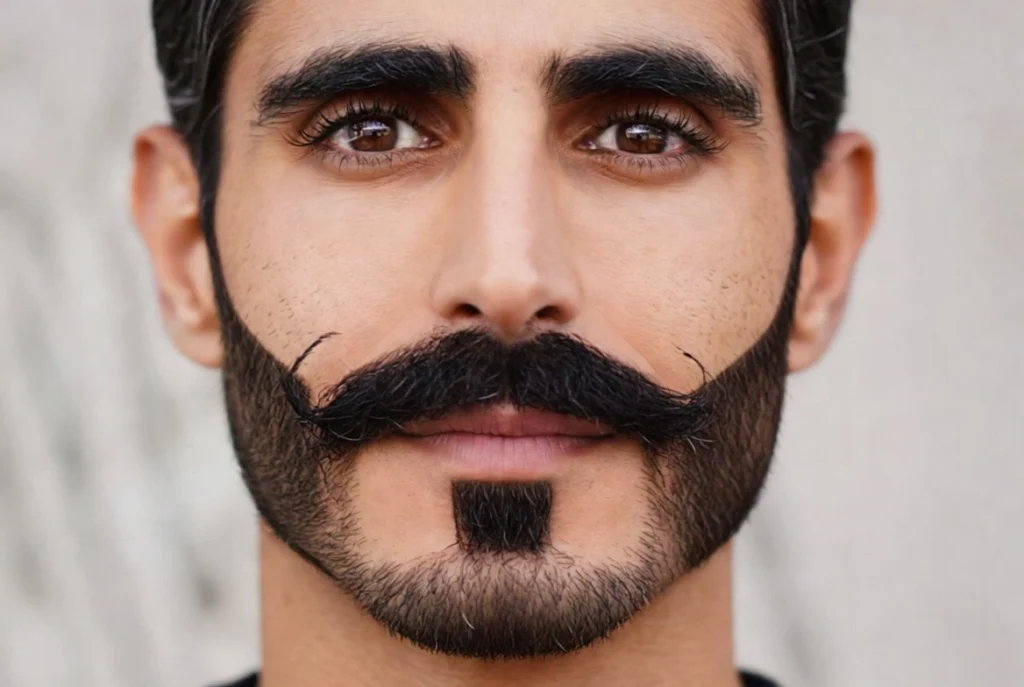
The Italian Royale beard features a sharply defined mustache separated from a trimmed chin patch, creating a look of royal elegance and modern sophistication. This style requires precision and regular maintenance but rewards that effort with distinctive appearance that stands out in any setting. The clean separation and sharp edges communicate attention to detail and grooming dedication.
The Royale projects confident individualism. This isn’t facial hair for men who prefer safe, conventional choices. It announces style awareness and willingness to embrace distinctive grooming. The historical royal associations add gravitas, suggesting leadership and authority. When properly maintained, the Royale elevates your presence dramatically.
Creating this style demands skilled trimming and daily maintenance. Keep the mustache and chin patch completely separate with clean-shaven areas between. Both sections should be neatly shaped with sharp edges. Any connecting growth immediately compromises the style’s distinctive character and polished appearance.
The Roman Emperor Authority
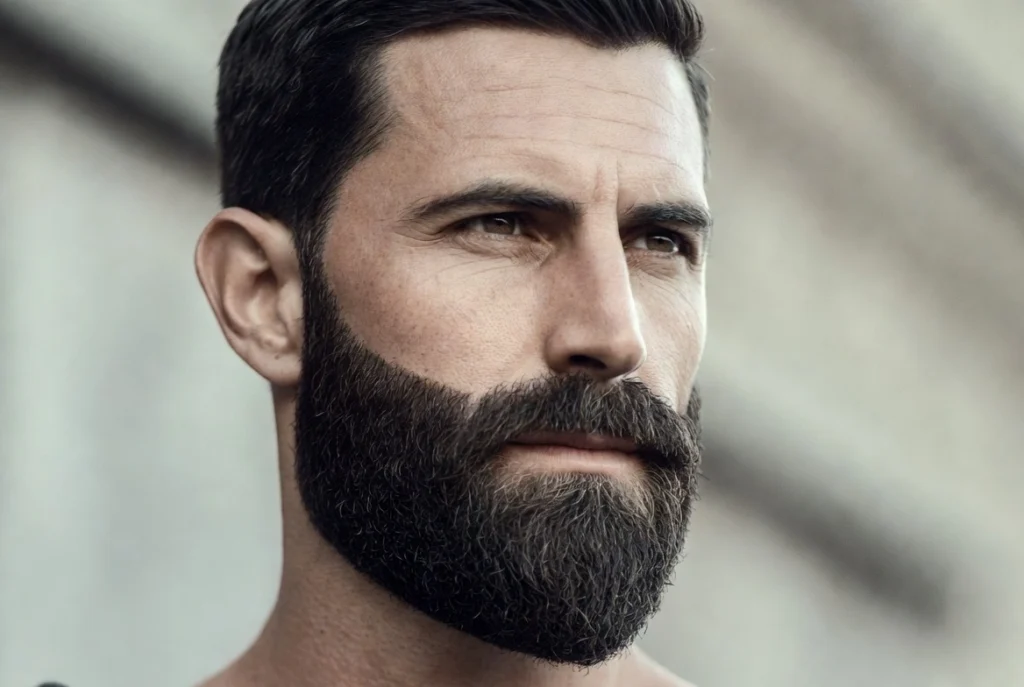
Inspired by ancient Roman aesthetics, this short, structured beard accentuates jawline and chin while remaining conservative in length. The Roman style symbolizes strength, authority, and classical masculine power. It works particularly well for men in leadership positions who want facial hair that enhances rather than distracts from professional credibility.
This beard’s power comes from historical weight and timeless simplicity. Roman emperors and philosophers wore similar styles to project wisdom and authority. Modern men adopting this look connect with that heritage while maintaining contemporary relevance. The short length ensures professional appropriateness while the defined structure adds character and presence.
Maintaining the Roman beard requires regular trimming to preserve even length and clean edges. Keep the beard short, typically one-quarter to one-half inch maximum. The neckline should be sharply defined, and cheek lines should follow natural growth patterns without extending too high. Use matte beard balm to add subtle texture without shine.
Italian Stubble Fade Combination
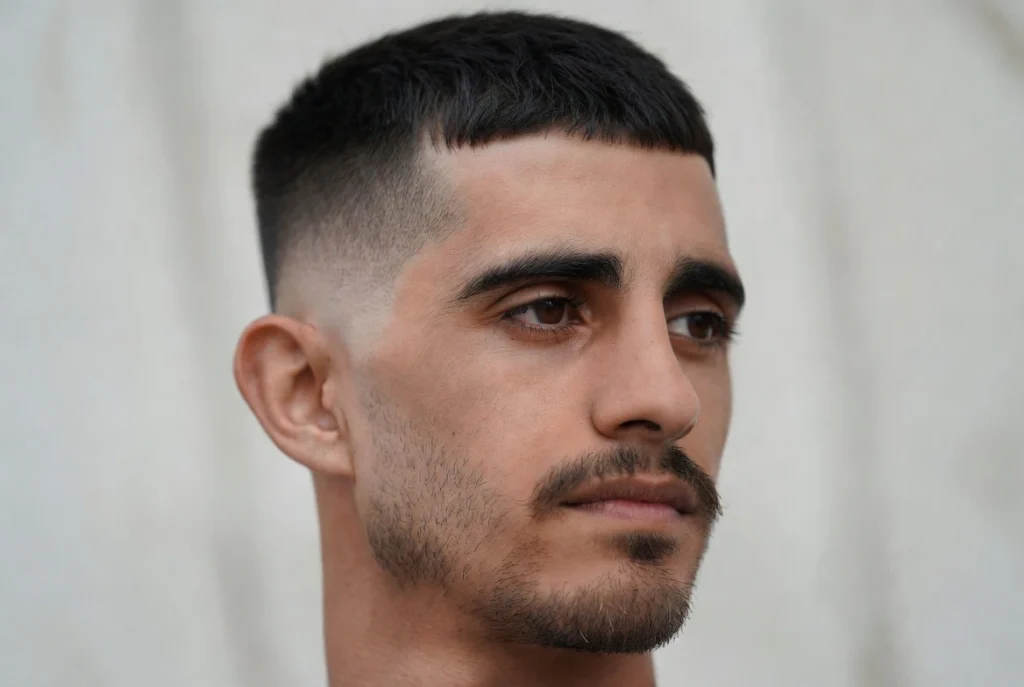
This modern style combines the low-maintenance appeal of stubble with contemporary fade techniques, creating a look that’s both effortlessly cool and precisely groomed. The stubble provides masculine texture while the fade adds dimension and modern edge. This combination appeals to younger men who appreciate Italian grooming principles with current styling trends.
The stubble fade projects contemporary confidence. It suggests you’re style-aware without being overly concerned with appearance, effortlessly masculine without trying too hard. The combination works exceptionally well for casual and creative professional environments where personal style expression is welcomed and valued.
Achieving this look requires professional barbering for the fade work combined with consistent home maintenance of stubble length. Visit a skilled barber every two to three weeks for fade refreshing while maintaining stubble at home with regular trimming. The contrast between faded sides and textured stubble creates visual interest that elevates simple facial hair into intentional style statement.
The Sophisticated Pencil Mustache with Beard
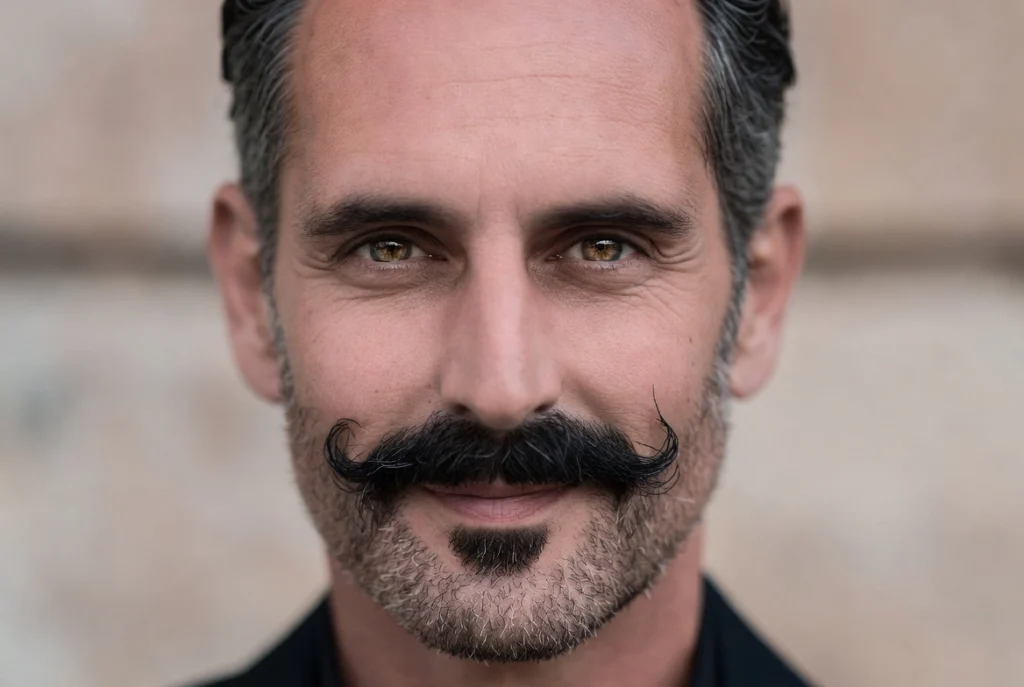
This elegant combination pairs a thin, precisely shaped pencil mustache with complementary beard coverage, creating a look of refined sophistication reminiscent of Italian cinema’s golden age. The pencil mustache adds artistic flair while the beard provides masculine foundation. Together, they create distinctive style that stands apart from conventional grooming.
This style projects artistic sensibility and confident individualism. It evokes images of Italian film stars and cultural icons who shaped global perceptions of Mediterranean style. The pencil mustache requires courage to wear well, as it’s inherently distinctive and memorable. When paired with appropriate wardrobe and overall grooming, it becomes a signature element of personal brand.
Creating and maintaining this look demands steady hands and patience. The pencil mustache should be trimmed to thin, even width with sharply defined edges. Many men find it easier to maintain pencil mustaches using traditional shaving methods rather than electric trimmers. The accompanying beard can vary in style from full coverage to goatee, depending on personal preference and facial structure.
Conclusion
Powerful Italian beard styles represent far more than grooming trends or facial hair fashions. They embody a philosophy of masculine presentation that values precision, intention, and the understanding that how you present yourself significantly impacts how others perceive and respond to you. These nineteen styles demonstrate the remarkable versatility of Italian grooming principles, offering options for every face shape, lifestyle, and personal preference.
The common thread connecting these diverse styles is attention to detail and commitment to maintenance. An Italian beard doesn’t happen accidentally through neglect of shaving. It results from deliberate choices, regular grooming, and understanding that true style requires consistent effort even when the goal is appearing effortless. This dedication to presentation demonstrates self-respect and consideration for how you impact others through your appearance.
As you consider which Italian beard style suits you best, remember that the most powerful choice is one that enhances your natural features, fits your lifestyle realistically, and makes you feel genuinely confident. The style that commands respect and confidence isn’t necessarily the most elaborate or distinctive. It’s the one you can maintain consistently while feeling authentic to your personality and professional needs. Choose thoughtfully, groom diligently, and wear your Italian beard with the pride and confidence it deserves. Your facial hair becomes not just grooming, but a statement of who you are and the standards you maintain in all aspects of life.
You may also like this post : 25 Elegant April Nail Designs for the Ultimate Spring Glow-Up
Frequently Asked Questions
What makes Italian beards different from other beard styles?
Italian beards emphasize clean lines, precise edges, and intentional shaping rather than natural, untamed growth. The Italian grooming philosophy prioritizes enhancing facial features through careful sculpting and maintenance rather than simply allowing hair to grow freely. These styles typically feature sharp cheek lines, defined necklines, and balanced proportions that create architectural interest. The difference lies in the meticulous attention to detail and the concept of sprezzatura, making carefully groomed beards appear effortlessly stylish rather than obviously labored over.
How often should I trim my Italian beard to maintain its power and precision?
Trimming frequency depends on the specific style and your hair growth rate. Designer stubble requires trimming every two to three days to maintain consistent length. Short to medium Italian beards need trimming every four to seven days to preserve shape and clean edges. Full Italian beards require less frequent length trimming but need regular edge work along cheeks and neckline. Most men benefit from professional barber visits every two to three weeks for precise shaping while maintaining daily grooming routines at home between appointments.
What products are essential for maintaining an Italian beard?
Essential products include quality beard oil for moisturizing both hair and skin beneath, beard balm for shaping and hold, and gentle beard shampoo for cleansing without stripping natural oils. A precision trimmer with multiple length guards enables accurate home maintenance. A boar bristle brush distributes oils evenly and trains hair to grow in desired directions. For specific styles like the Van Dyke or Royale, a straight razor or precision razor helps create sharp edges that trimmers cannot match. Quality products and tools prove worthwhile investments for achieving authentic Italian beard results.
Can Italian beard styles work for all face shapes?
Yes, Italian beard styles offer options for every face shape when chosen thoughtfully. Round faces benefit from pointed or tapered styles that add length and definition. Square faces work well with fuller styles that complement strong features. Oval faces can carry virtually any Italian beard style successfully. Longer faces look better with fuller beards that add width rather than pointed styles that emphasize length. The key lies in selecting styles that enhance your natural structure rather than fighting against it. Professional barbers can recommend specific Italian styles that flatter your individual facial features.
How long does it take to grow a proper Italian beard from clean-shaven?
Timeline varies by style and individual growth rate. Designer stubble appears within two to five days of not shaving. Short Italian professional beards develop within two to three weeks. Medium-length styles like the classic full Italian beard require six to eight weeks of growth before shaping. Longer styles like the Garibaldi need three to four months to reach proper length and fullness. During growth phases, resist the temptation to shape too early. Allow sufficient length to develop before establishing clean lines and defined edges. Patience during the awkward growth phase pays dividends in final results.
One Comment