
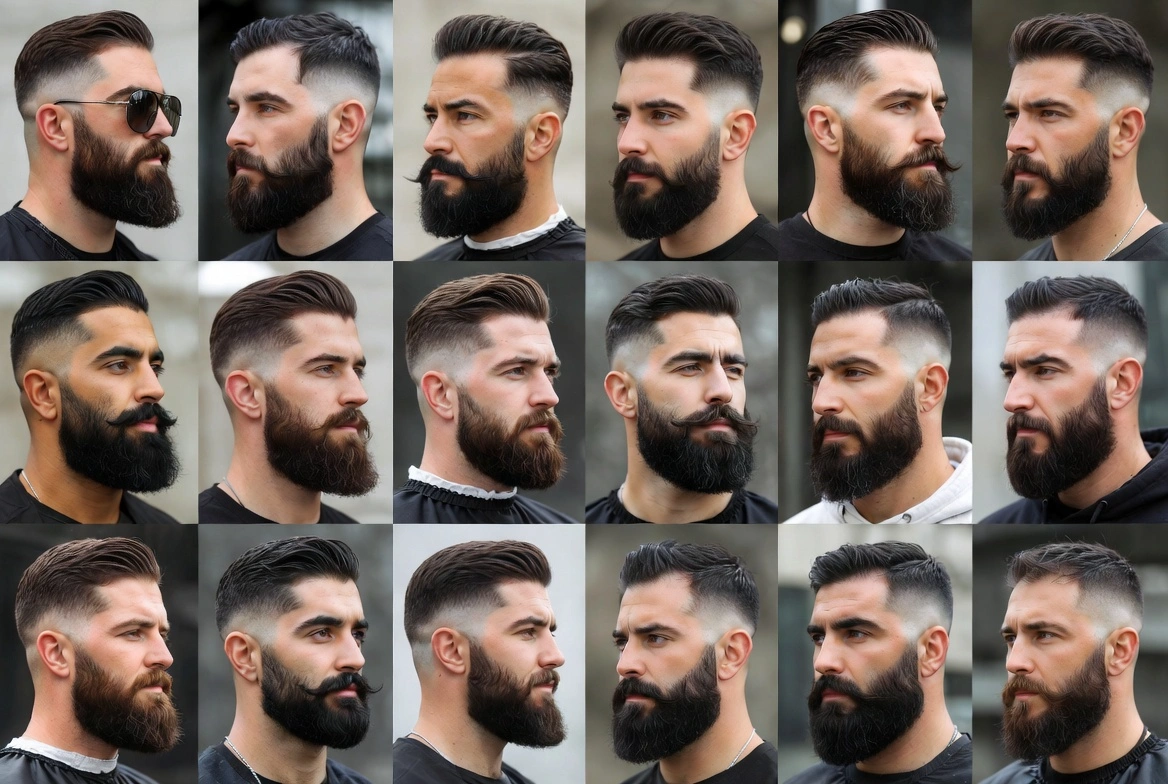
27+ Cool Faded Beard Styles to Express Your Unique Style
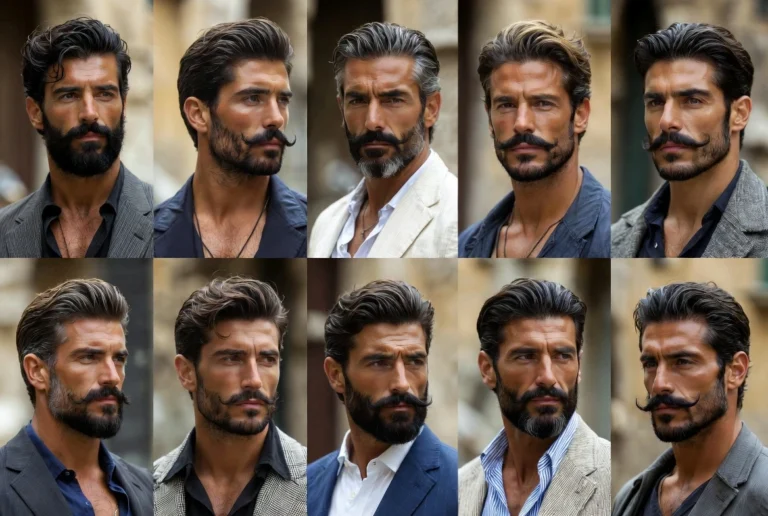
The faded beard represents modern grooming at its finest. This sophisticated technique transforms ordinary facial hair into a carefully crafted statement that commands attention and respect. Unlike the wild, untamed beards of past trends, today’s faded styles demonstrate that you understand the power of precision grooming and value the impression your appearance creates. When executed properly, a beard fade elevates your entire look from casual to intentionally stylish.
What makes faded beard styles particularly compelling is their remarkable versatility. Whether you prefer short stubble or a full thick beard, whether your hair is buzzed close or flows long, a properly executed fade creates seamless transitions that enhance your natural features. The technique involves gradually blending different lengths of facial hair, typically starting shorter near the sideburns and growing fuller toward the jawline and chin. This creates dimensional depth that adds structure to your face while maintaining that essential balance between rugged masculinity and refined grooming.
This comprehensive guide explores over twenty-seven cool faded beard styles that work across various face shapes, hair types, and personal aesthetics. From classic approaches that have stood the test of time to contemporary variations pushing grooming boundaries, these styles demonstrate how strategic fading transforms facial hair into powerful personal statements. Let’s discover which faded beard will become your signature look.
Understanding the Faded Beard Concept
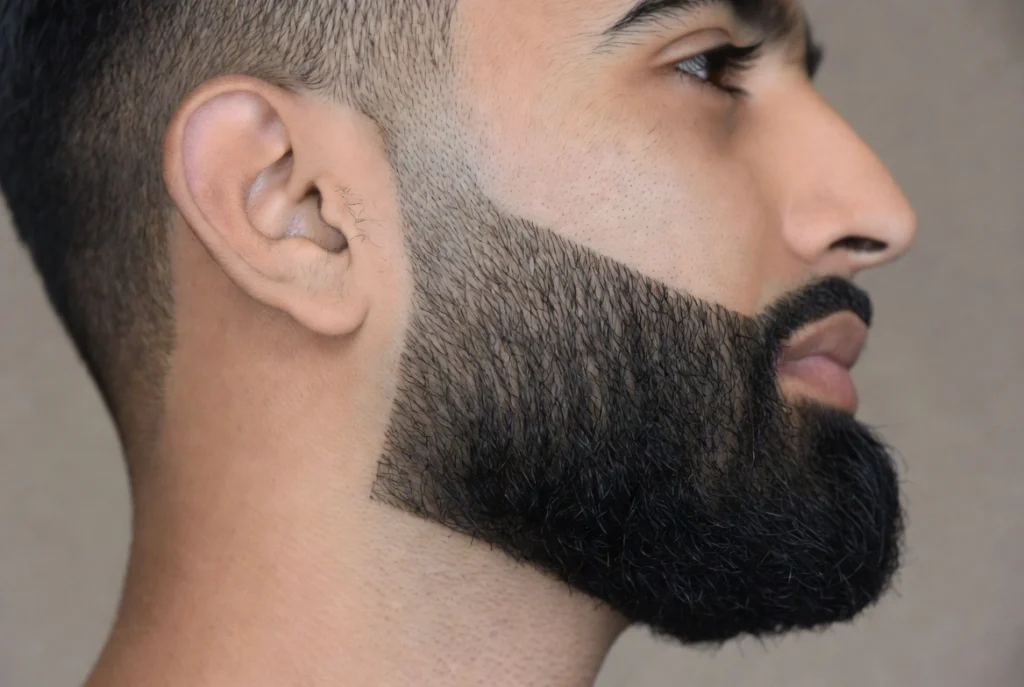
Before exploring specific styles, grasping what defines a faded beard proves essential. The fade technique involves creating smooth gradients between different hair lengths, eliminating harsh lines while adding visual interest and dimension. On your head, this might mean blending longer hair on top with shorter sides. On your face, it creates seamless transitions from sideburns through cheeks to your beard’s fuller sections.
The art of fading requires precision and patience. Professional barbers use multiple clipper guard lengths, carefully overlapping sections to achieve gradual transitions that appear natural rather than obviously manufactured. When done correctly, the fade should be nearly imperceptible, with viewers noticing the polished overall effect rather than identifying specific blending points. This subtlety separates amateur home attempts from professional results.
Faded beards offer practical benefits beyond aesthetics. The technique makes patchy facial hair less noticeable by keeping shorter lengths in sparse areas while allowing fuller growth where genetics cooperate. Fades also create the illusion of enhanced facial structure, emphasizing jawlines and cheekbones through strategic shaping and length variation. These functional advantages explain why faded styles have become grooming standards rather than passing trends.
The Classic Low Fade Beard
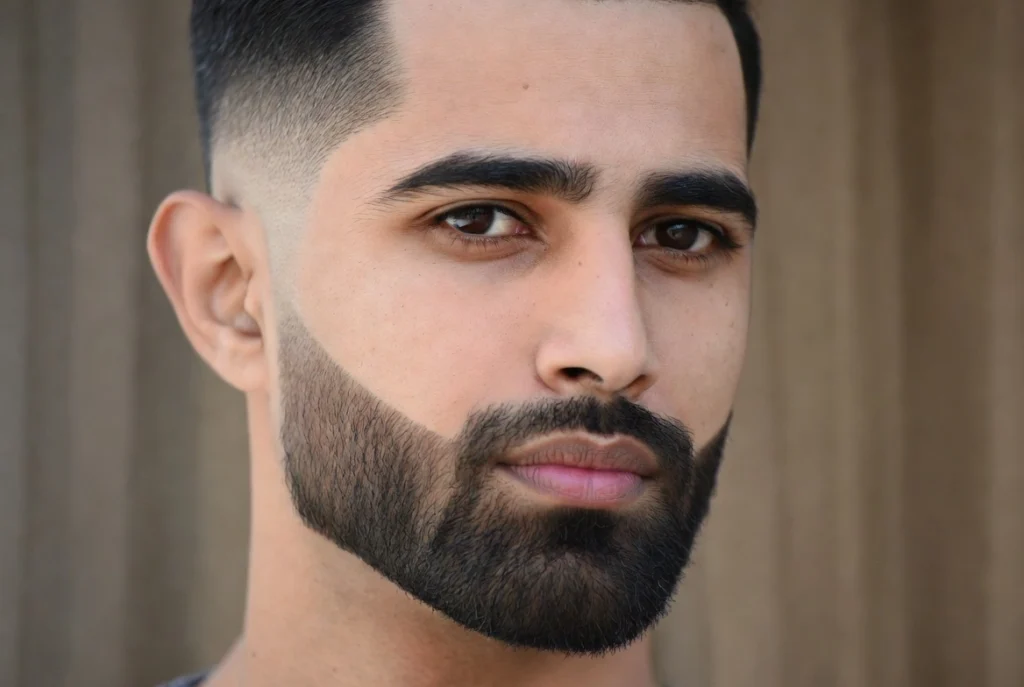
The low fade beard maintains the fade line closer to the ear and positioned low on the neckline, creating gentle, gradual length changes. This subtle approach suits men seeking refined grooming without dramatic contrast. The low fade typically begins approximately one to two inches above the ear, transitioning smoothly into fuller beard coverage across the jawline and chin.
This style particularly flatters heart and diamond face shapes by adding visual weight at the jaw without overwhelming delicate features. The understated nature of low fades makes them appropriate for conservative professional environments where more dramatic styles might appear too edgy. Despite this restraint, low fades still demonstrate clear grooming intention and style awareness.
Maintaining a low fade requires consistent attention. Visit your barber every two to three weeks to preserve the precise blend and clean edges that define this style. Between professional appointments, use quality clippers to maintain your neckline and keep stray hairs in check. The relatively subtle nature of low fades means even minor growth can disrupt the carefully crafted gradient.
The Bold High Fade Statement
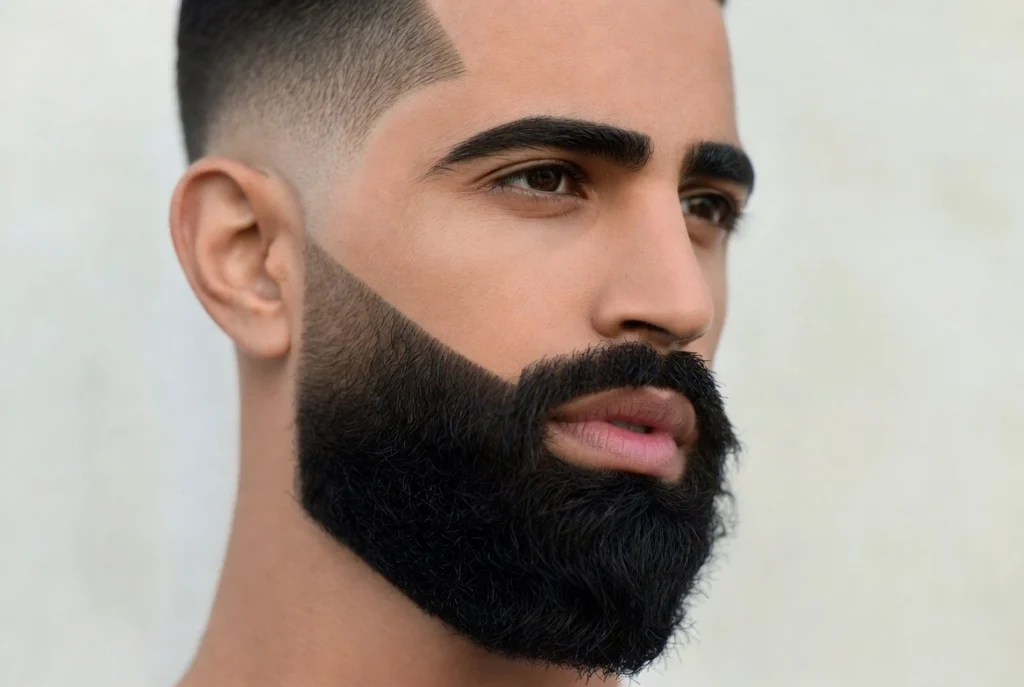
For men seeking maximum impact, the high fade beard delivers dramatic contrast through fades that begin high near the temples. This confident style features extensive tapering that leaves longer hair only at the jaw and chin while fading nearly to skin around the upper cheeks and sideburns. The result projects bold modernity and unmistakable style commitment.
High fades work exceptionally well for square and round face shapes, creating vertical emphasis that elongates and adds angular definition. The extensive fading draws attention to facial structure, particularly emphasizing strong jawlines and cheekbones. This makes high fades ideal for men with these features who want to showcase them prominently.
The maintenance intensity of high fades matches their visual impact. Weekly barbershop visits help preserve the crisp lines and smooth gradients essential to this style’s polished appearance. The extensive fading means growth becomes obvious quickly, requiring dedicated upkeep commitment. This style suits those who view grooming as ongoing investment rather than occasional maintenance.
The Versatile Mid Fade Balance
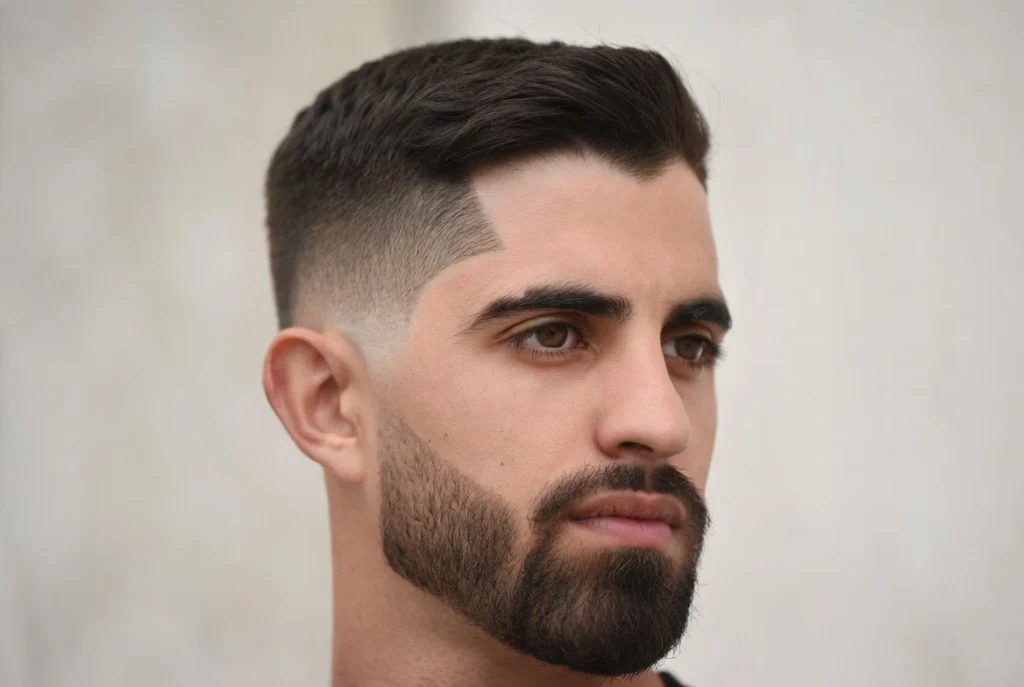
The mid fade strikes perfect balance between low fade subtlety and high fade drama. This popular approach positions the fade line around the middle of the ear, creating moderate contrast that works across various face shapes and personal styles. The mid fade offers enough visual interest to appear intentionally styled without the dramatic boldness that makes high fades less universally appropriate.
This versatility makes mid fades excellent choices for men whose professional lives demand conservative appearance while personal preferences lean more contemporary. The moderate fade reads as polished and intentional in business settings while remaining stylish enough for social situations. This dual functionality explains the mid fade’s widespread popularity among style-conscious professionals.
Pairing mid fades with various haircuts enhances their versatility. The balanced nature of mid fading complements everything from conservative side parts to trendy textured crops. This adaptability allows you to update your hairstyle without necessarily changing your beard approach, simplifying overall grooming coordination.
The Seamless Skin Fade Integration
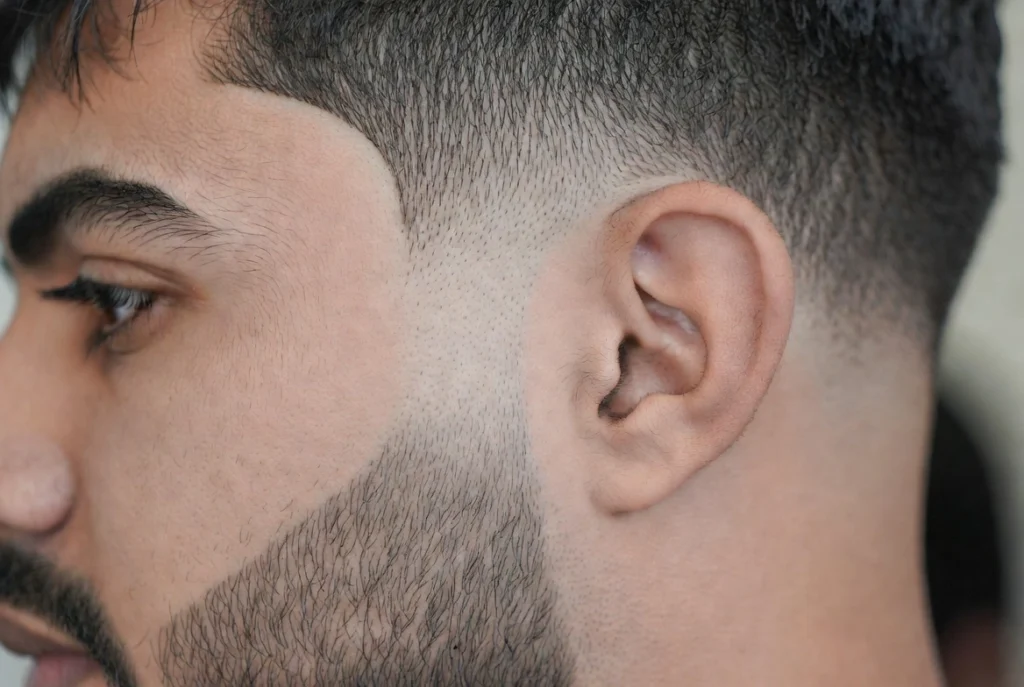
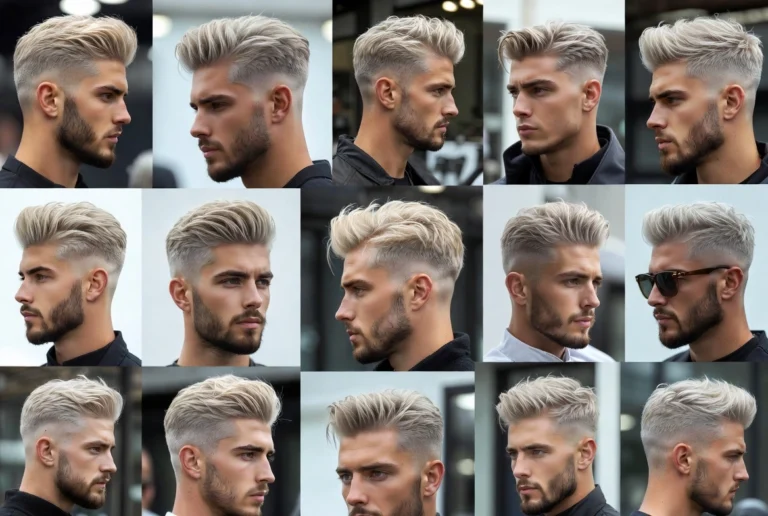
The skin fade takes fading to its ultimate conclusion by blending beard hair down to completely clean-shaven skin. This technique creates the smoothest possible transitions, with facial hair appearing to emerge gradually from bare skin rather than starting at defined lines. The precision required for proper skin fades makes professional execution nearly essential.
When combined with matching skin fades in your haircut, this approach creates remarkable visual continuity from scalp through sideburns to beard. The seamless integration projects meticulous grooming awareness and demonstrates commitment to coordinated overall appearance. This cohesive approach particularly suits athletic builds and modern aesthetic preferences.
Maintaining skin fades demands the most frequent attention of any fade style. The dramatic transition from skin to hair means even slight growth disrupts the carefully crafted gradient. Plan for weekly professional touch-ups supplemented by daily home maintenance of edges and necklines. This intensive upkeep requirement makes skin fades better suited to those who genuinely enjoy grooming rituals rather than viewing them as chores.
The Tapered Fade Elegance
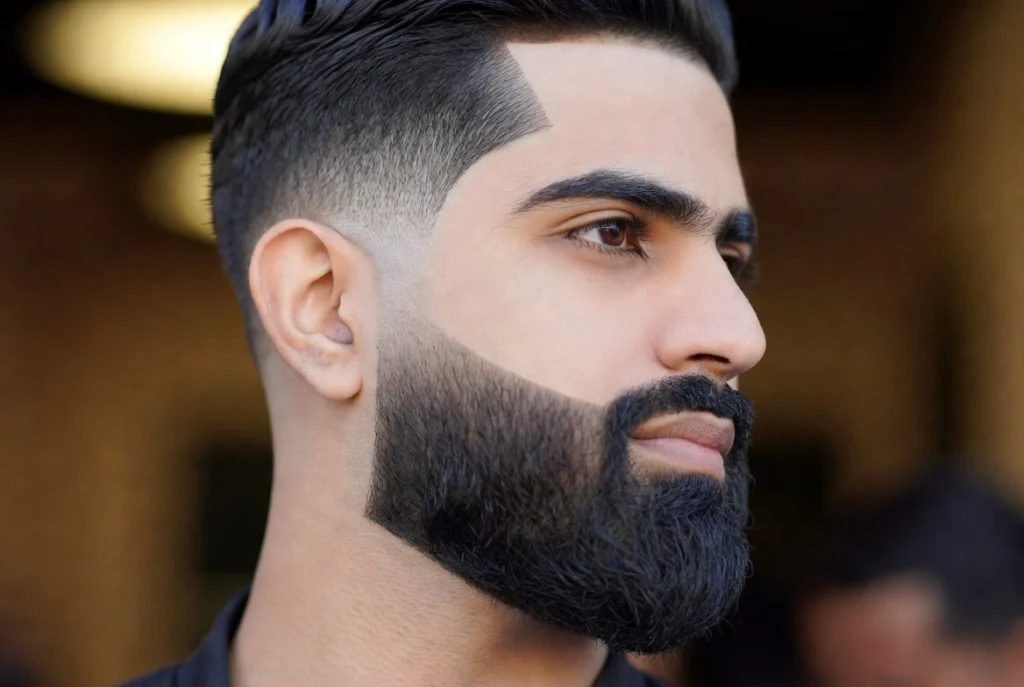
Tapered fades feature gradual length reduction from temple to mid-cheek before more abrupt shortening toward ears and neck. This creates sophisticated visual flow that emphasizes facial contours while maintaining natural appearance. The varying pace of the taper adds complexity and interest beyond simple linear fades.
The elegance of tapered styles lies in their architectural approach to facial hair. Rather than merely removing length, tapering sculpts beard shape to enhance your bone structure. This technique requires skilled assessment of individual facial features followed by custom tailoring of fade placement and intensity. Cookie-cutter approaches rarely achieve the refined results proper tapering delivers.
Styling tapered fades involves strategic use of beard products. Quality beard oil maintains healthy skin beneath the hair while keeping the beard itself soft and manageable. Beard balm provides light hold that maintains taper shape throughout the day without appearing obviously styled. These products work together to preserve the grooming investment you make at the barbershop.
The Stubble Fade Edge
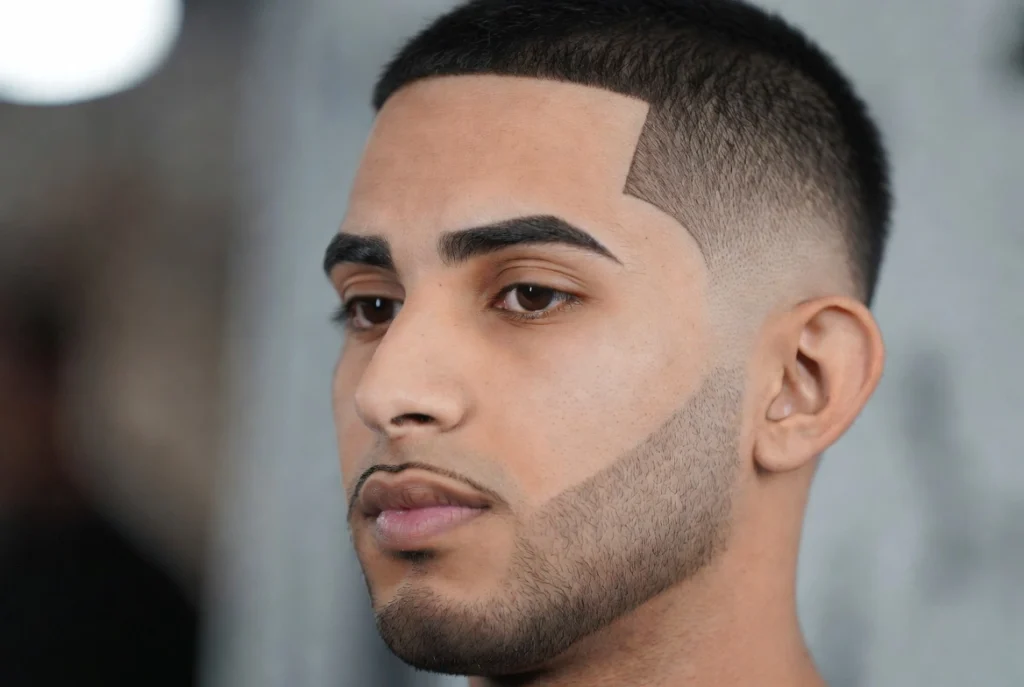
Not all faded beards require substantial length. The stubble fade maintains facial hair at two to four millimeters while incorporating fade techniques for added definition and polish. This low-maintenance style delivers masculine texture without the commitment of longer beards, appealing to men who prefer simpler grooming routines.
The key to successful stubble fades lies in precise edge work. While the short length requires less elaborate fading than longer styles, the transition from stubble to clean skin must remain sharp and intentional. Regular trimming every two to three days maintains consistent length while defined cheek lines and necklines prevent the look from reading as simple neglect.
Stubble fades work particularly well during transitional seasons when full beards feel too warm but clean-shaven seems too stark. The moderate coverage provides visual interest and masculine presence without the heat retention of thick facial hair. This practical quality makes stubble fades excellent year-round options for men in warmer climates.
The Shadow Fade Subtlety
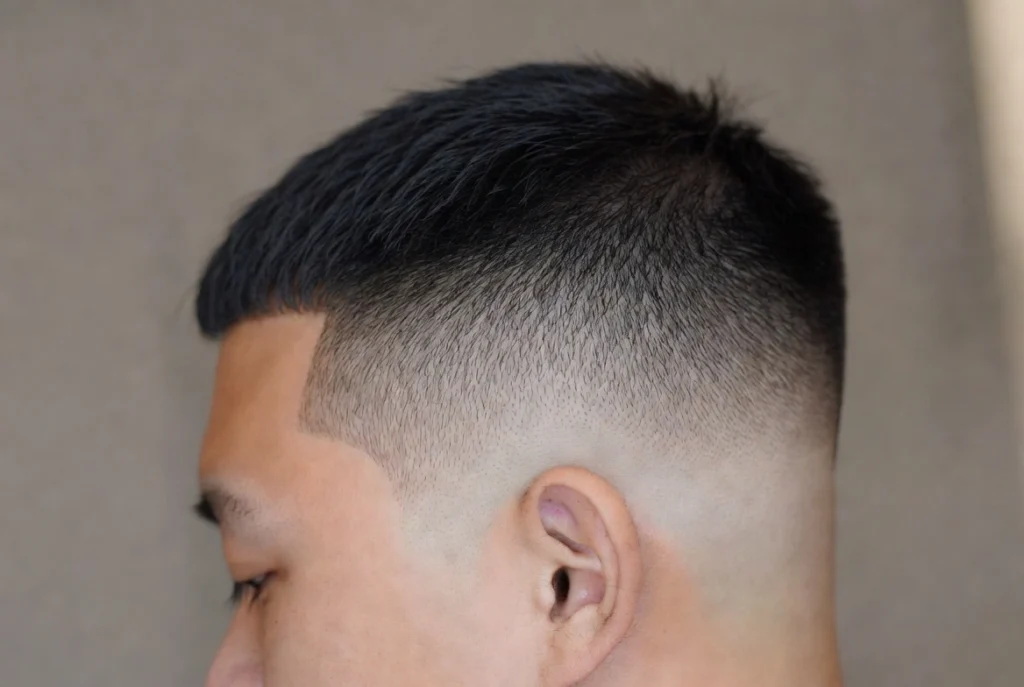
Shadow fades create the most subtle gradients, with barely perceptible transitions that add dimension without obvious contrast. This refined approach suits men who appreciate grooming details but prefer understated results. The shadow fade enhances rather than transforms, polishing your natural facial hair pattern through careful shaping and strategic length variation.
Achieving proper shadow fades requires exceptional blending skills. The transitions must be smooth enough to avoid visible lines yet distinct enough to create the desired dimensional effect. This delicate balance explains why shadow fades, despite their subtle appearance, often require more time and skill than more obvious fade styles.
The sophistication of shadow fades appeals to mature men who have moved beyond trend-chasing toward timeless personal style. This approach communicates confidence and refinement, suggesting you possess the self-assurance to embrace subtlety rather than relying on dramatic statements. In professional contexts requiring conservative grooming, shadow fades provide maximum style within accepted parameters.
Pairing Fades with the Undercut
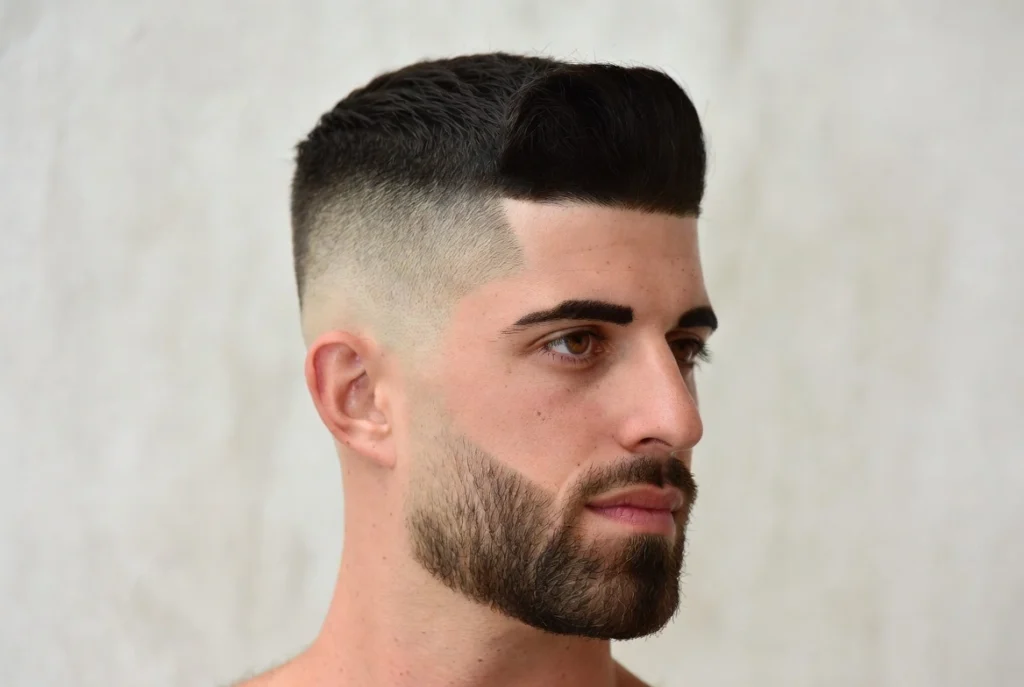
The undercut hairstyle features dramatically short or shaved sides with substantial length on top. When combined with a faded beard, this creates striking contrast and modern edge. The disconnected nature of undercuts pairs beautifully with beard fades, as both techniques emphasize intentional length variation and precise execution.
Coordinating your fade intensity between hair and beard creates visual harmony. High undercuts typically work best with high or mid beard fades, maintaining consistent boldness across head and face. The dramatic styling of undercuts requires equally committed beard work to avoid appearing unbalanced or half-finished.
Styling undercut and fade combinations demands quality products and daily attention. The substantial length on top requires pomade or wax for control and shine, while beard oil maintains facial hair health and appearance. This dual product approach ensures both elements of your look remain polished and coordinated throughout the day.
The Faded Beard with Textured Crop
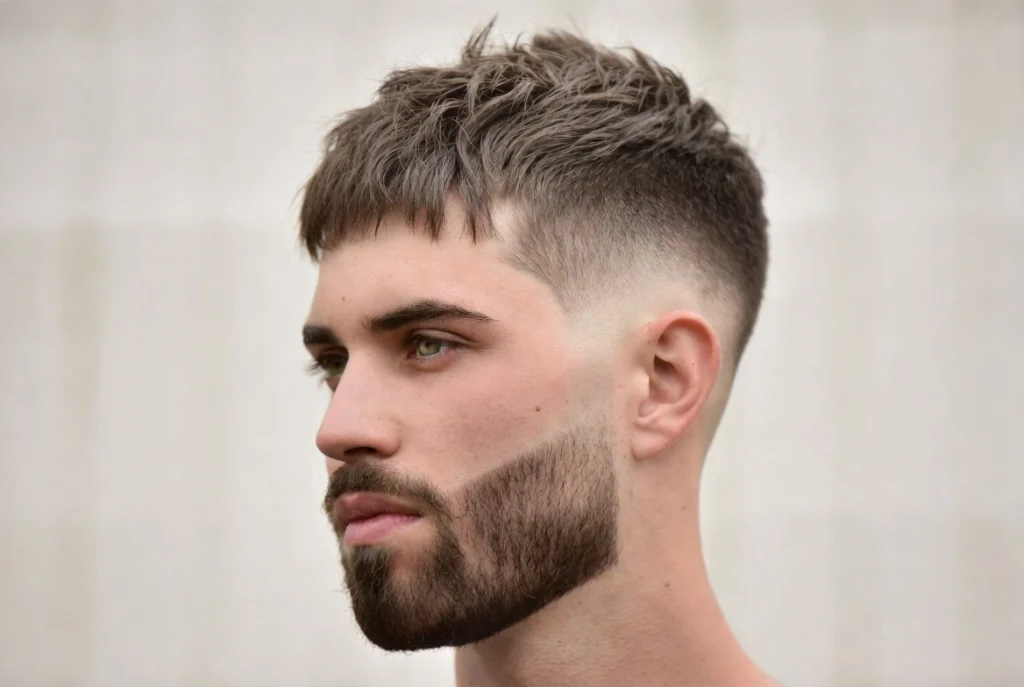
The textured crop features short, roughly styled hair on top that creates intentional messiness and movement. Pairing this relaxed hairstyle with a faded beard balances structured precision with casual appeal. The contrast between deliberately tousled hair and carefully faded facial hair creates interesting tension that projects contemporary style awareness.
Mid fades typically complement textured crops most successfully. The moderate fade intensity matches the crop’s balance between casual and styled, creating cohesive appearance rather than competing elements. This combination works across professional and social settings, adjusting formality through product usage and styling intensity rather than requiring different cuts.
Maintaining this combination proves relatively straightforward compared to more intensive styles. The forgiving nature of textured crops means slight hair growth enhances rather than disrupts the look. Combined with a mid fade requiring less frequent touch-ups than high fades, this pairing suits men seeking style without excessive maintenance demands.
The Pompadour and Fade Power
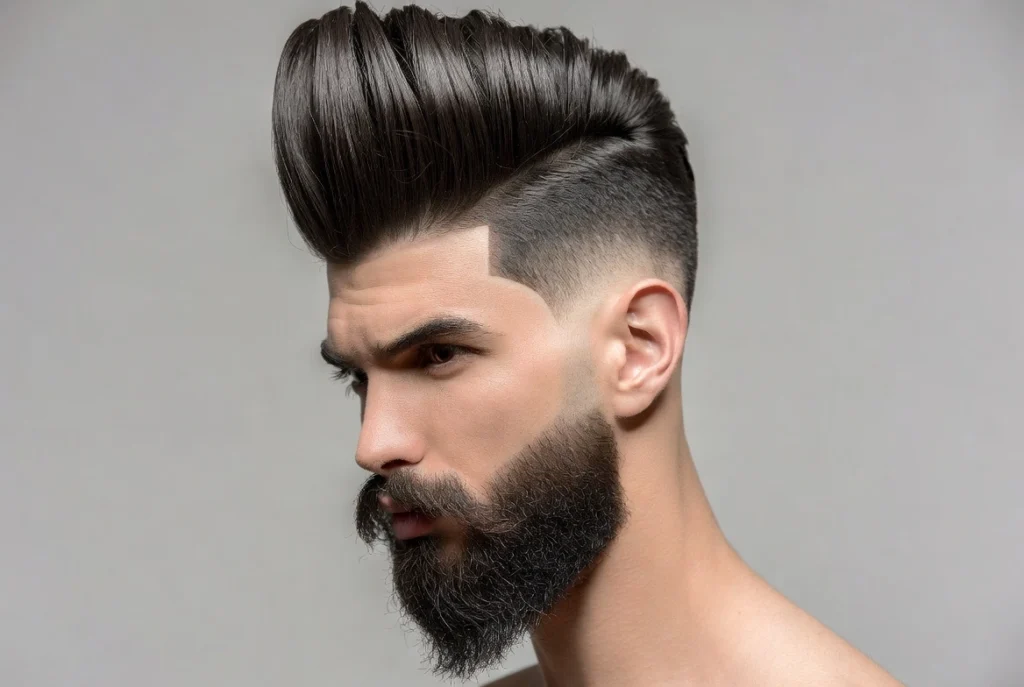
The pompadour’s dramatic volume and swept-back styling creates bold, confident presence. Paired with a faded beard, this combination projects unmistakable style commitment and grooming dedication. The pompadour’s classic roots updated through modern fading techniques create looks that feel both timeless and contemporary.
High fades typically complement pompadours most effectively. The substantial volume on top requires equally bold facial hair to maintain visual balance. A high fade’s dramatic tapering matches the pompadour’s intensity while the clean sides prevent the overall look from appearing top-heavy or overwhelming.
Achieving and maintaining this powerful combination requires significant time and product investment. Pompadours demand quality pomade or gel plus blow-drying for proper volume and hold. The faded beard needs regular professional maintenance to preserve its crisp definition. This grooming intensity suits men who genuinely enjoy the styling process and view daily grooming as pleasurable ritual rather than tedious obligation.
The Buzz Cut and Fade Simplicity
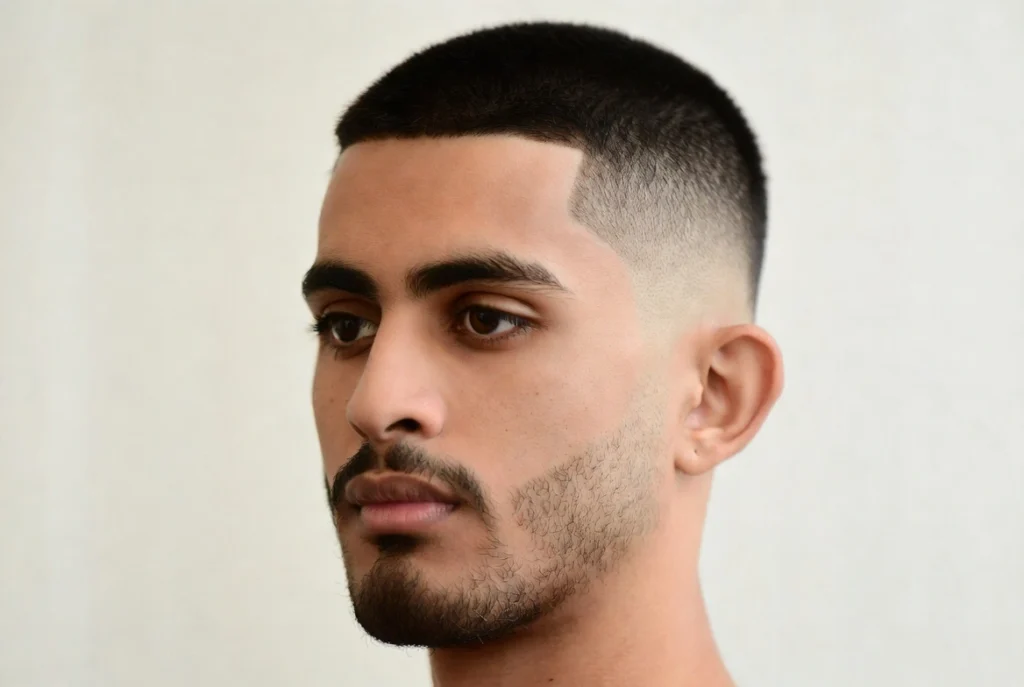
For men who prefer minimal hair maintenance, pairing a buzz cut with a faded beard creates clean, masculine style without extensive daily styling. The uniform shortness of buzz cuts contrasts beautifully with varied beard lengths, with fading providing the only dimensional interest across head and face. This stripped-down approach emphasizes facial features and bone structure without hair-based distraction.
The fade becomes the star of this combination, as the buzz cut offers no styling complexity to compete for attention. This elevates the importance of precise fade execution and regular maintenance. Even slight fade deterioration becomes obvious against the buzz cut’s uniform simplicity, demanding consistent upkeep.
This pairing particularly suits athletic lifestyles and warm climates where longer hair proves impractical. The minimal styling requirements mean you can maintain polished appearance without dedicating significant time to grooming. Quick morning routines suffice, with the well-executed fade providing all necessary style and sophistication.
Face Shape Considerations for Fades
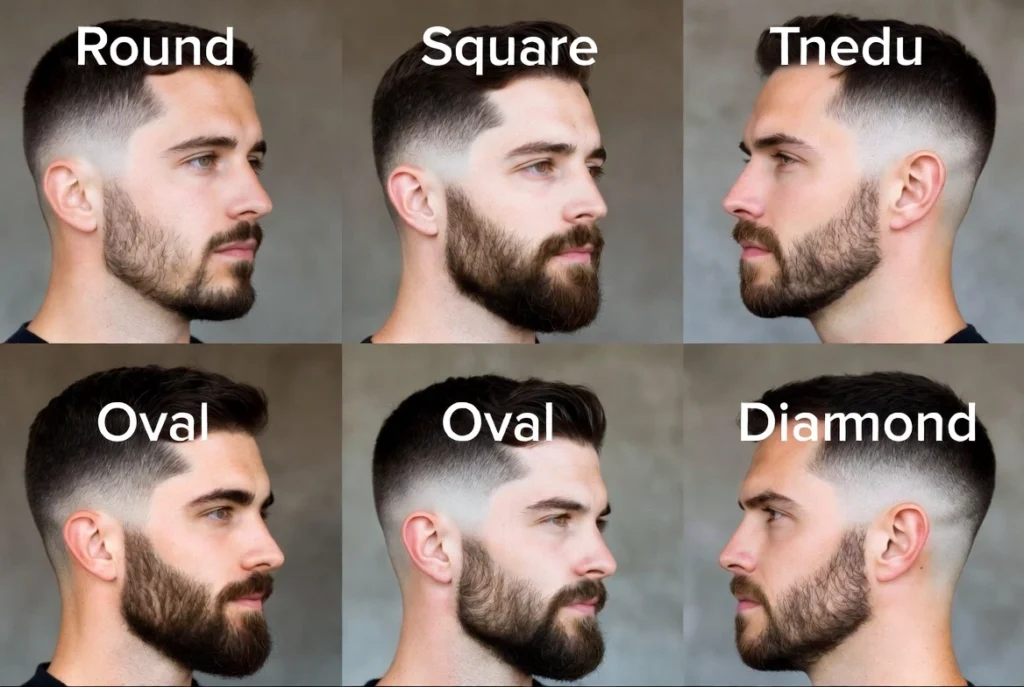
Selecting the right fade style requires understanding your face shape and how different fading approaches enhance or minimize various features. Round faces benefit from high fades and vertical emphasis that create length illusion. The extensive upper fading draws eyes upward while fuller beard coverage at the jaw adds definition to softer curves.
Square faces possess strong angular features that high and mid fades complement beautifully. These fade styles emphasize the existing jawline strength while the tapering prevents the beard from adding excessive width. Shadow fades also work well for square faces, enhancing natural structure through subtle dimensional shaping.
Oval faces represent the most versatile shape, working well with virtually any fade style. This flexibility allows personal preference and lifestyle factors to guide fade selection rather than being constrained by structural considerations. Men with oval faces can experiment across the full range of fade options to discover which resonates most strongly with their personal aesthetic.
Tools and Products for Fade Maintenance
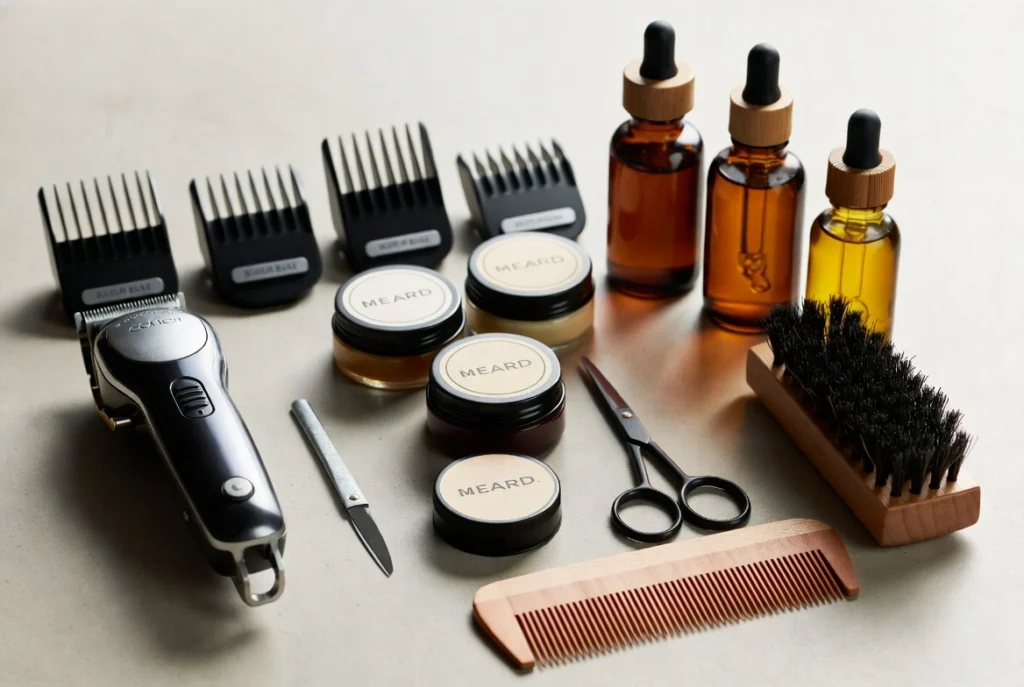
Achieving and maintaining quality faded beards requires investing in proper tools and products. Professional-grade clippers with multiple guard attachments prove essential for home maintenance between barbershop visits. Look for clippers offering guards from 0.5mm through at least 6mm to accommodate various fade intensities and beard lengths.
Quality beard oil serves as your most important product investment. Daily application keeps skin healthy beneath your beard while maintaining hair softness and manageability. The moisturizing prevents the itching and flaking that plague poorly maintained beards while the conditioning makes facial hair more cooperative during styling and trimming.
Beard balm provides light to medium hold that helps maintain fade shape throughout the day. Unlike heavy waxes that create obviously styled appearance, quality balms offer subtle control that keeps everything in place without looking manufactured. The slight sheen many balms provide also enhances the polished, well-groomed aesthetic that makes faded beards so appealing.
Professional vs Home Fade Execution
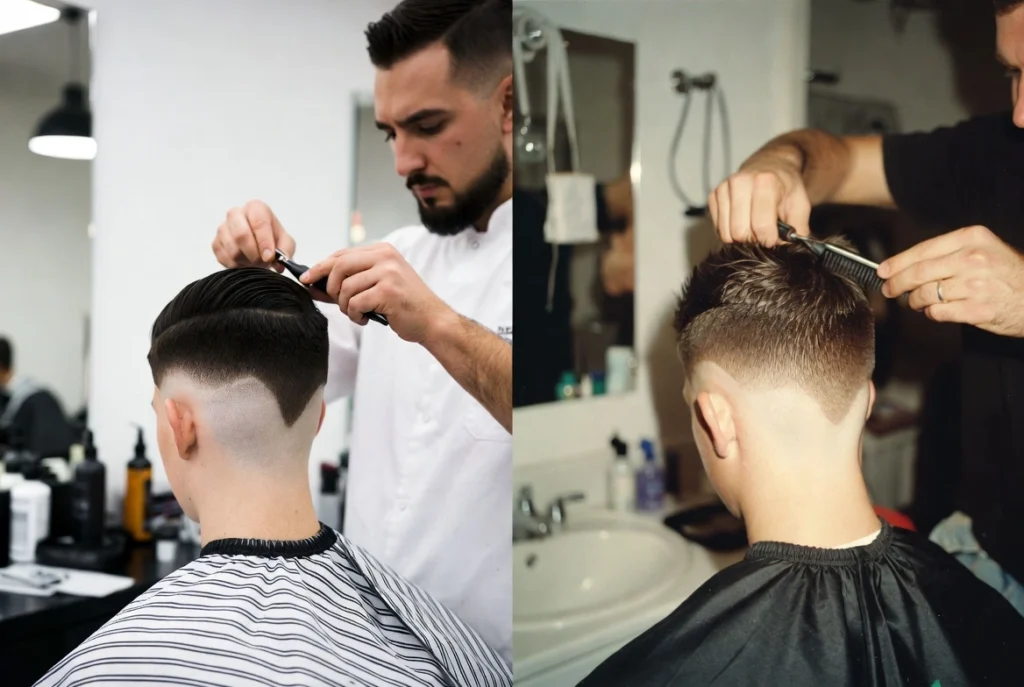
While enthusiastic amateurs can achieve basic fades at home, truly excellent results typically require professional expertise. Barbers train extensively in blending techniques and develop the steady hands and practiced eyes necessary for seamless transitions. The difference between adequate home fades and professional work becomes obvious in the smoothness and precision of the final result.
That said, home maintenance between professional visits proves both possible and necessary. Learning to maintain your neckline, keep cheek lines sharp, and use clippers for basic length management extends the life of professional fades while reducing visit frequency. This balanced approach delivers best results while managing grooming budget considerations.
Finding a skilled barber who understands fading techniques makes tremendous difference in final outcomes. Seek recommendations from men whose beard fades you admire. Review barber portfolio photos focusing on fade work quality. Don’t hesitate to visit multiple shops until finding someone whose technical skills and aesthetic sensibility align with your preferences and goals.
Seasonal Fade Adaptations
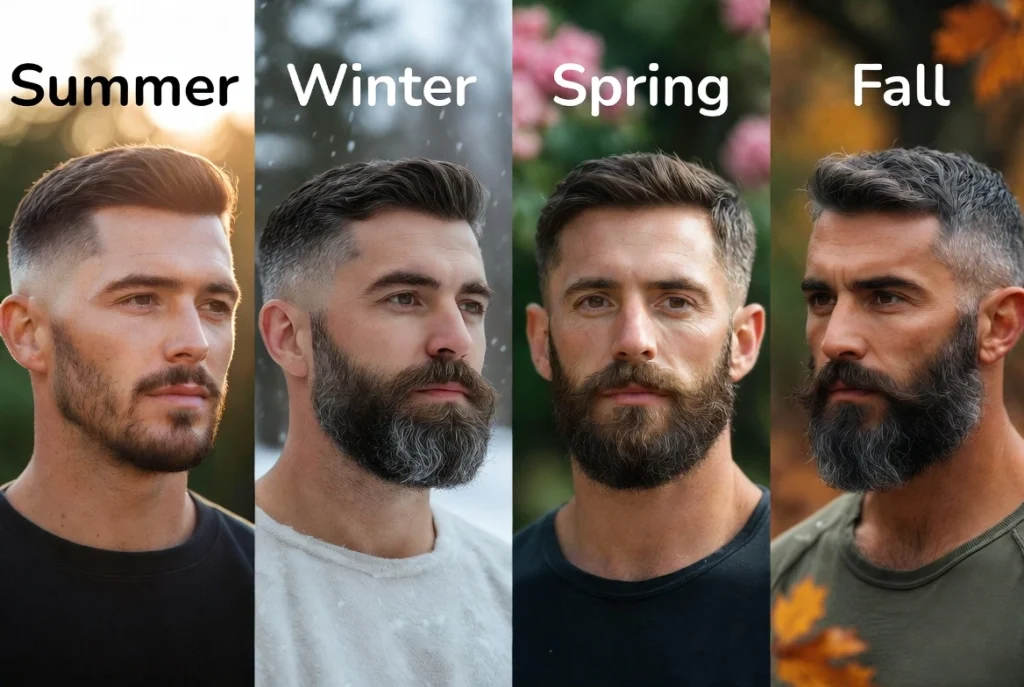
Faded beard styles adapt beautifully across seasons with thoughtful adjustments. Summer often calls for shorter overall lengths combined with more dramatic fades to minimize heat while maintaining style. The increased skin exposure helps you stay cooler while the precise fading prevents short beards from appearing merely lazy or neglected.
Winter allows exploring fuller beard coverage while maintaining fade definition through edges and transitions. The additional length provides warmth without sacrificing the polished appearance fading creates. Strategic fading prevents winter beards from crossing into unkempt territory while the fuller coverage serves practical cold-weather purposes.
Transitional seasons offer opportunities to experiment with different fade intensities and beard lengths. Use spring and fall to test variations before committing to summer or winter approaches. This experimentation helps you discover which combinations work best for your features, lifestyle, and personal preferences across the full annual cycle.
Common Fade Mistakes to Avoid
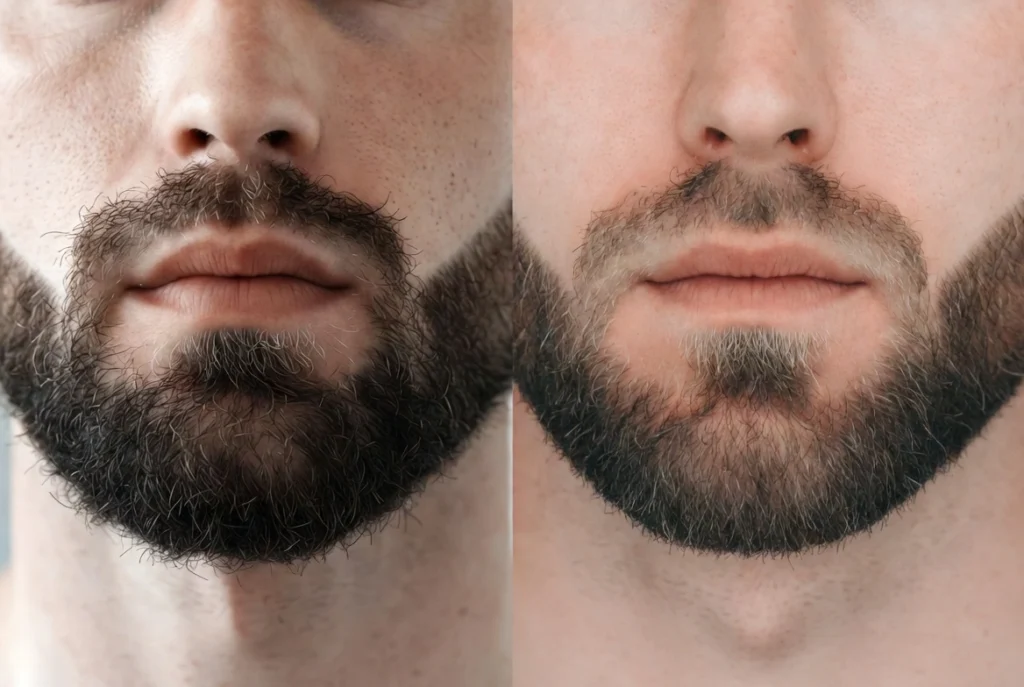
The most frequent fade error involves attempting overly aggressive home trimming. Many men remove too much length too quickly, creating choppy transitions or accidentally eliminating sections they intended to preserve. Start conservatively, removing less than you think necessary, then gradually adjusting. Hair removal is permanent until regrowth, while leaving slightly too much length causes no lasting problems.
Another common mistake involves neglecting skin care beneath faded beards. The varying lengths and exposed skin require diligent cleansing and moisturizing to prevent irritation, ingrown hairs, and flaking. Daily washing with quality beard cleanser followed by proper moisturizing and beard oil application prevents these issues while maintaining healthy beard growth.
Inconsistent maintenance represents the third major fade mistake. The precision required for clean fades means they deteriorate obviously with growth. Attempting to stretch time between maintenance beyond your beard’s growth rate results in sloppy appearance that undermines the polished effect you invested effort to create. Establish realistic maintenance schedules and stick to them consistently.
Styling Products for Faded Beards
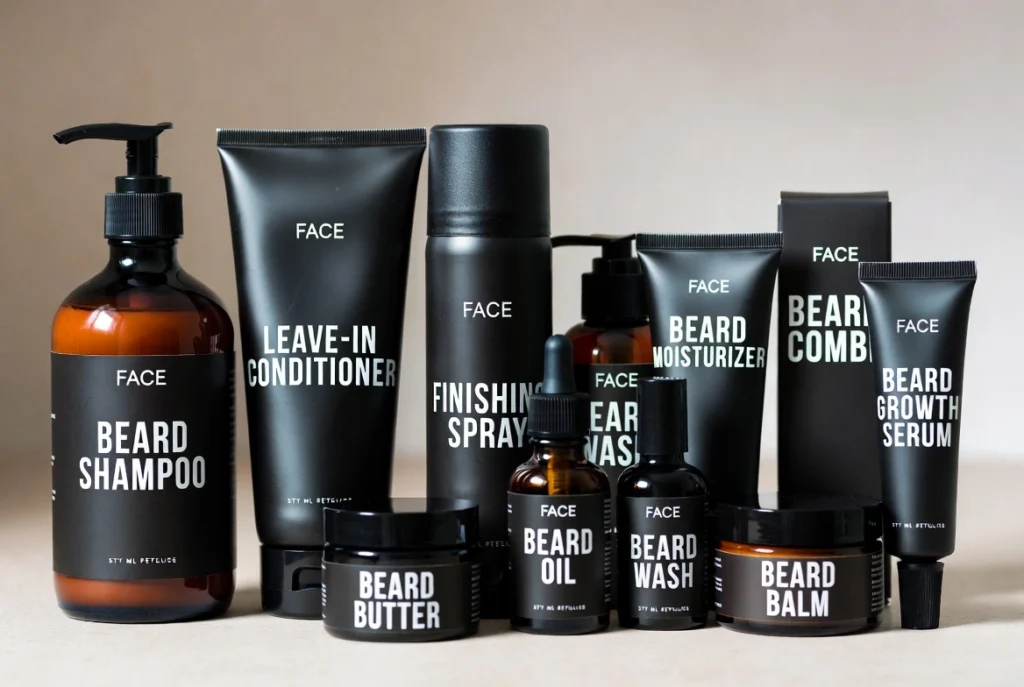
Beyond basic beard oil and balm, several specialized products enhance faded beard appearance and manageability. Beard shampoo designed specifically for facial hair cleans without the harsh stripping that regular shampoos cause. The gentler formulation preserves natural oils while removing dirt and product buildup that accumulates with daily balm use.
Leave-in beard conditioner provides additional softening and detangling for longer faded beards. Applied after washing and before styling products, conditioner makes beard hair more cooperative while adding subtle sheen. The conditioning effect particularly benefits coarse or wiry facial hair that otherwise resists taming.
Finishing sprays designed for beards set your styling while adding final polish. These light-hold products prevent wind-blown dishevelment and keep strategic shaping intact throughout active days. Unlike heavy lacquers, beard finishing sprays maintain natural movement while providing just enough control to preserve your carefully crafted fade appearance.
The Fade Evolution Over Time
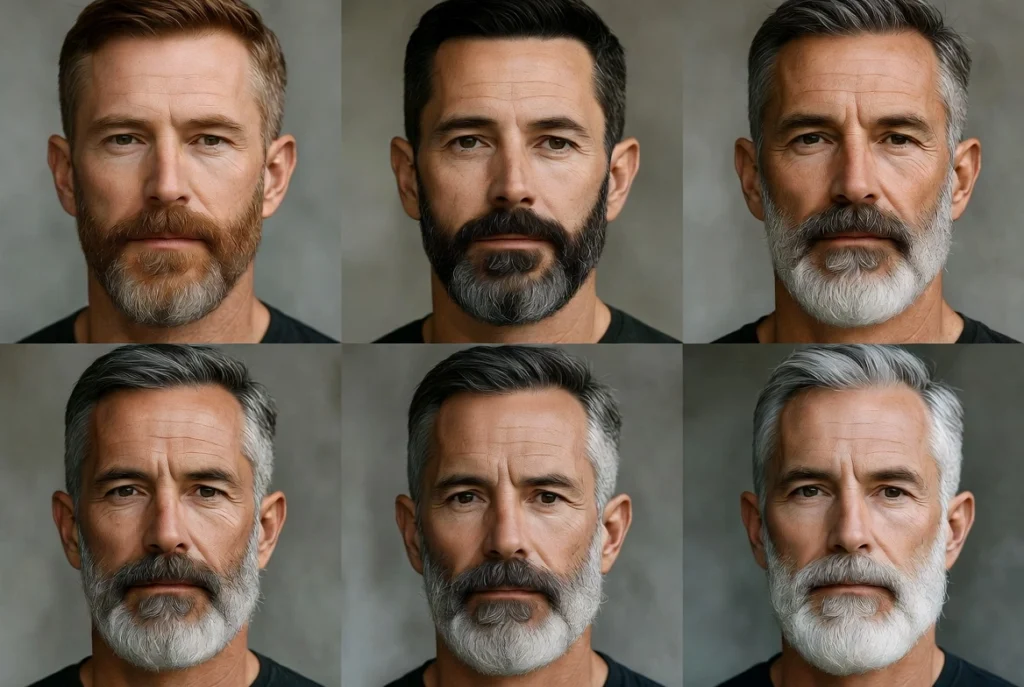
As your beard grows and your face ages, your ideal fade style may evolve. What worked brilliantly in your twenties might feel less appropriate or flattering in your forties. Remain open to adjusting fade intensity, placement, and overall beard length as your features mature and personal style develops.
Gray or white facial hair introduces new fade considerations. The lighter color can make precise fading more challenging to execute and perceive. Conversely, the distinguished appearance of silver facial hair may reduce the need for dramatic fading, as the color variation itself provides dimensional interest. Work with your barber to adapt techniques as your hair color changes.
Lifestyle changes also drive fade evolution. Career advancement into more conservative professional roles might call for subtler shadow fades replacing the high fades of younger years. Alternatively, moving into creative fields might inspire experimenting with bolder fade variations previously avoided. Allow your fade to reflect and support your current life stage rather than clinging to outdated approaches.
Conclusion
Cool faded beard styles represent the intersection of traditional masculine grooming and contemporary precision techniques. These sophisticated approaches transform simple facial hair into carefully crafted statements that communicate style awareness, attention to detail, and commitment to personal presentation. Whether you prefer the subtle refinement of shadow fades or the bold drama of high fades, whether you pair your beard with buzz cuts or pompadours, fading techniques elevate your entire look beyond what untamed growth could achieve.
The remarkable variety within faded beard styles ensures options for every face shape, hair type, and personal aesthetic. From professional environments requiring conservative grooming to creative fields celebrating individual expression, from minimalist preferences to maximum-impact statements, fading techniques adapt to serve your specific needs and goals. This versatility explains why faded beards have transcended trend status to become grooming fundamentals.
As you explore these twenty-seven plus styles, remember that the best fade is one you can maintain consistently while genuinely enjoying the results. Consider your realistic grooming time investment, budget for professional services, and honest assessment of which styles complement your natural features. The perfect faded beard makes you feel confident every time you catch your reflection, supports rather than complicates your lifestyle, and becomes a signature element of your personal style that evolves thoughtfully as you do. Choose wisely, maintain diligently, and wear your faded beard with the confidence it deserves.
You may also like this post : Cute Outfit Inspo: 15+ Adorable Outfit Ideas to Elevate Your Everyday Style
Frequently Asked Questions
How often should I get my faded beard trimmed professionally?
Maintenance frequency depends on your specific fade style and facial hair growth rate. High fades and skin fades typically require weekly professional touch-ups to maintain their crisp, dramatic appearance. Mid fades can often stretch to every two weeks, while low fades and shadow fades may last two to three weeks between visits. Men with faster facial hair growth need more frequent appointments regardless of fade style. Between professional visits, maintain your neckline and cheek lines at home to extend the polished appearance your barber creates.
Can I achieve a good faded beard at home or do I need a professional barber?
While basic home fading is possible with quality clippers and practice, professional barbers typically achieve superior results, especially for complex fades. Barbers possess the training, experience, and steady hands necessary for seamless blending and precise execution. That said, you can successfully maintain fades at home between professional visits by focusing on edge work and basic length management rather than attempting complete refades. Consider learning from your barber during appointments, asking questions about technique and tool usage to improve your home maintenance skills gradually.
What face shapes work best with faded beard styles?
Faded beards work across all face shapes when properly customized. Round and square faces benefit from high fades that create vertical emphasis and add definition. Oval faces offer the most versatility, working well with any fade intensity. Heart and diamond faces typically look best with low to mid fades that add balanced fullness without overwhelming delicate features. The key lies in selecting fade placement and intensity that enhances your specific facial structure rather than fighting against it. Consult with an experienced barber who can assess your features and recommend optimal fade approaches.
What products do I need to maintain a faded beard?
Essential products include quality beard oil for daily moisturizing and softening, beard balm for light styling hold, and beard-specific shampoo for gentle cleansing. Professional-grade clippers with multiple guard attachments prove necessary for home maintenance. Consider adding beard conditioner for longer styles, finishing spray for extra hold, and dedicated beard combs or brushes for styling and detangling. Invest in quality products rather than bargain options, as superior formulations deliver better results while often proving more economical long-term through smaller required application amounts and better performance.
Do faded beards work for men with patchy facial hair?
Yes, faded beards can actually minimize the appearance of patchy growth. Strategic fading keeps problem areas shorter where hair grows sparsely while allowing fuller coverage in areas with better growth. This creates more even overall appearance than attempting to grow all areas to the same length, where patches become obvious gaps. Work with a skilled barber to design a fade that works with your specific growth pattern rather than against it. Low fades particularly help conceal patchy cheeks by keeping that area very short while focusing fuller growth along the jawline where most men have stronger coverage.
One Comment