
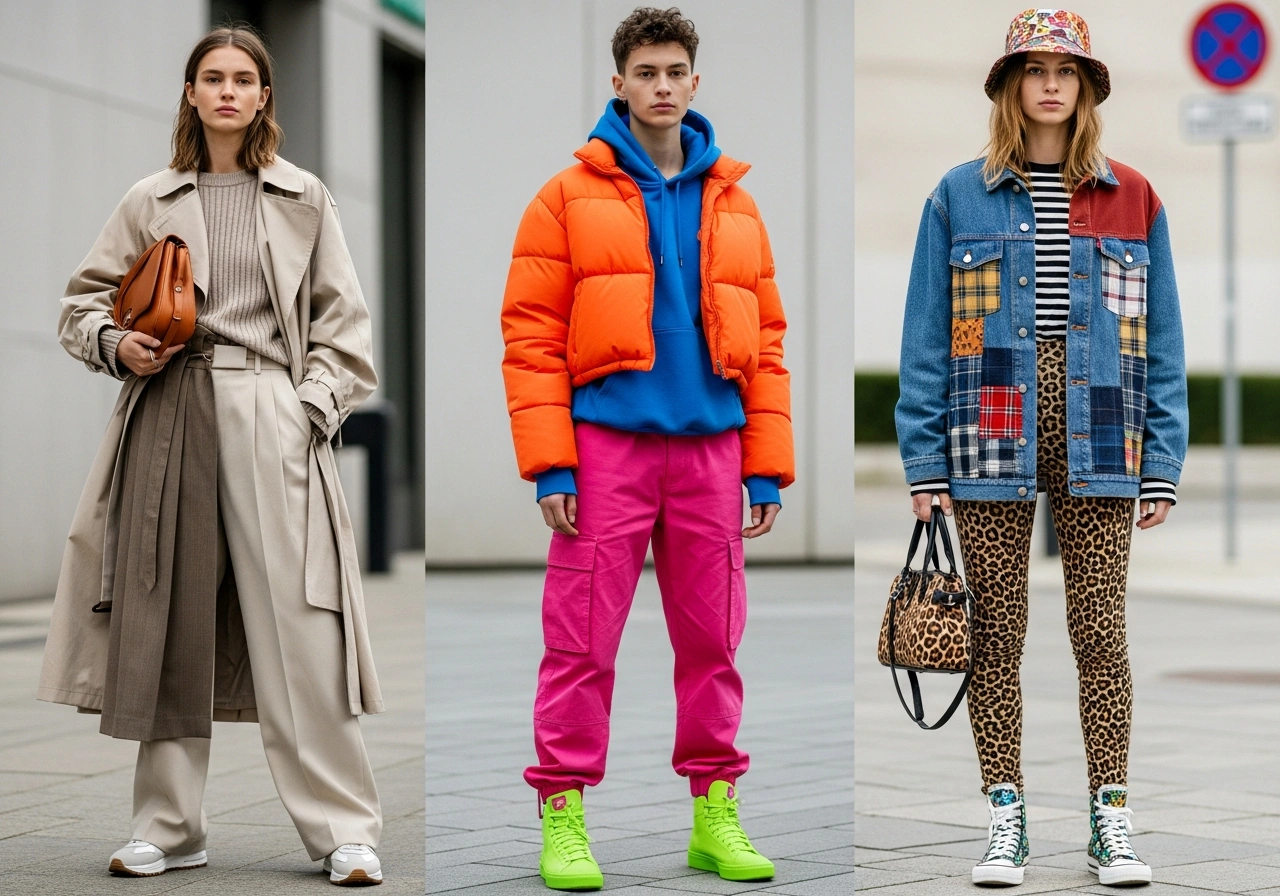
Cool Street Style Outfit Inspo for Everyday Wear
Street style has become the uniform of the modern fashion enthusiast. Born from urban culture and shaped by individuality, this approach to dressing combines comfort with undeniable cool. What started as organic fashion expression on city sidewalks has evolved into a global movement that influences runways and reshapes how people think about everyday clothing.
The beauty of street style lies in its accessibility. You do not need a celebrity budget or a closet full of designer pieces to master this look. What you need is confidence, creativity, and an understanding of how to mix pieces in ways that reflect your personality. Street style encourages you to break conventional fashion rules while maintaining a cohesive aesthetic that feels authentic to who you are.
This guide explores practical ways to build street style outfits that work for real life. Whether you are commuting to work, meeting friends for coffee, or running weekend errands, these ideas will help you create looks that balance style with functionality. The focus is on building a versatile wardrobe that allows for endless combinations, ensuring you always have something interesting to wear without the stress of overthinking your outfit choices.
Understanding the Foundation of Street Style
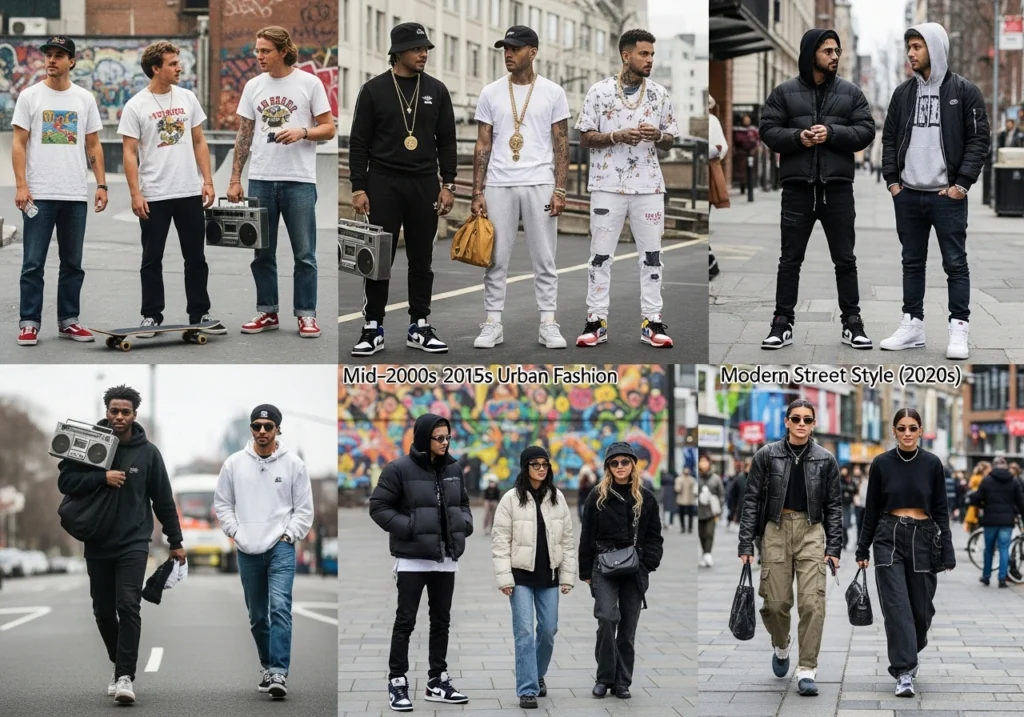
Street style emerged from youth subcultures including skateboarding, hip-hop, and punk movements. These influences created a fashion language that prioritized personal expression over following traditional style rules. The emphasis was on comfort and practicality, with pieces chosen for their ability to withstand active lifestyles while making a statement.
Today’s street style has expanded beyond its subcultural roots to become mainstream fashion. The democratization of style through social media platforms has allowed anyone to participate in and influence street fashion trends. Fashion weeks in major cities now attract as much attention for the street style outside the venues as for the runway shows inside them.
What distinguishes street style from other fashion approaches is its emphasis on mixing high and low pieces without hierarchy. A vintage thrift store jacket can pair just as effectively with designer sneakers as with budget-friendly basics. This mix-and-match philosophy creates opportunities for unique combinations that reflect individual taste rather than adherence to prescribed style rules.
Building Your Street Style Wardrobe Essentials
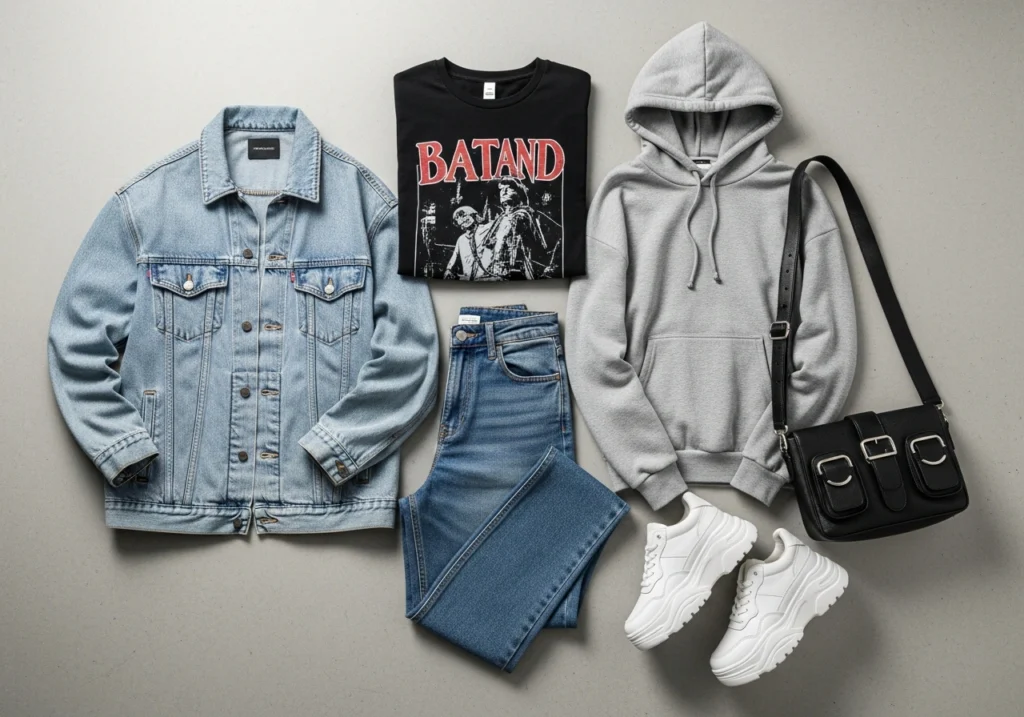
Creating a strong foundation for street style outfits begins with selecting versatile pieces that work across multiple looks. These wardrobe staples become the building blocks for countless outfit combinations.
Oversized outerwear forms the backbone of many street style looks. A well-chosen jacket or coat adds structure and attitude to any outfit. Consider investing in pieces like an oversized denim jacket, a vintage bomber, or a structured blazer. These items layer effectively over most outfits and provide visual interest through their silhouette and texture.
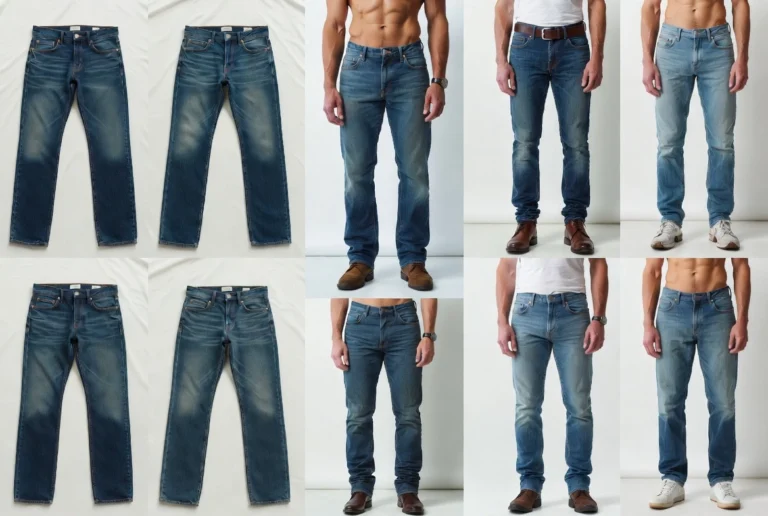
Denim serves as another cornerstone of street style wardrobes. From classic straight-leg jeans to trendy baggy silhouettes, denim offers durability and versatility. The Canadian tuxedo, pairing denim pants with a denim jacket, remains a street style favorite when executed with different washes or styling techniques. High-quality denim in various cuts ensures you have options for different occasions and seasons.
Graphic tees and hoodies provide opportunities for self-expression while maintaining comfort. These pieces work as statement items or as layering elements under structured outerwear. Choose graphics that resonate with your interests, whether that means band logos, artistic prints, or minimalist designs. The key is selecting pieces that feel authentic to your personality rather than simply following trends.
Comfortable footwear completes the street style foundation. Chunky sneakers, platform shoes, sleek combat boots, and classic tennis shoes all have their place in a well-rounded wardrobe. The right footwear can transform an outfit from casual to edgy or from sporty to refined. Invest in quality shoes that provide genuine comfort for walking and standing, as street style often involves being on your feet throughout the day.
Mastering the Art of Layering
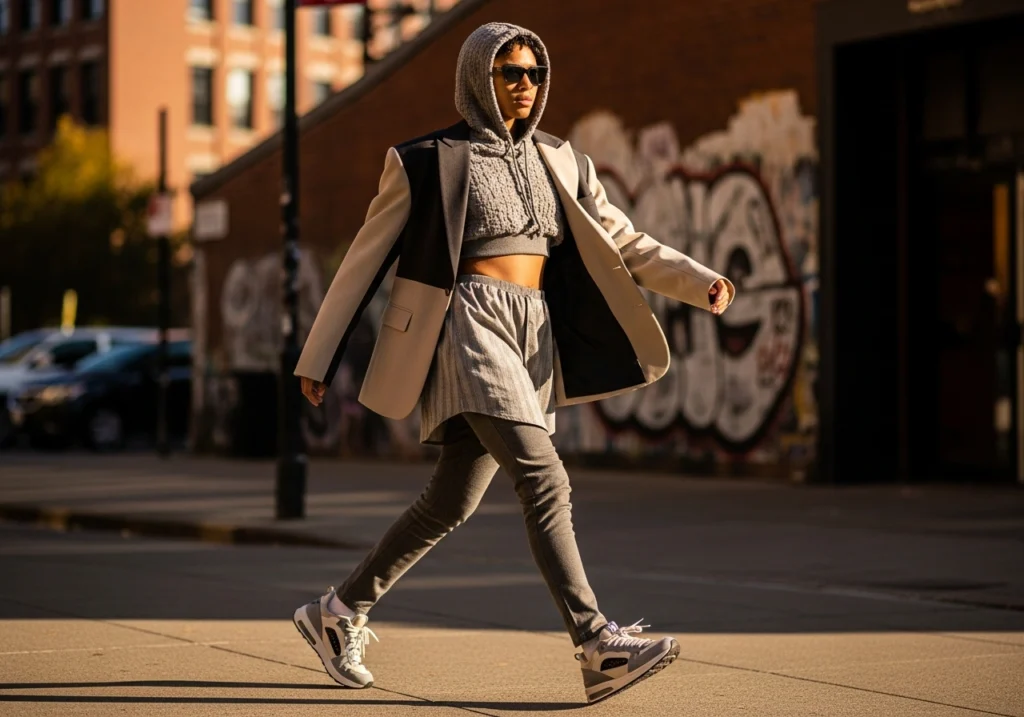
Layering transforms basic pieces into dynamic outfits with depth and visual interest. This technique allows you to adapt to changing temperatures throughout the day while creating sophisticated looks from simple components.
Start with a fitted base layer such as a plain t-shirt or a form-fitting long-sleeve top. This foundation ensures your layered look maintains a flattering silhouette rather than appearing bulky. From this base, add pieces of varying lengths and textures to create dimension.
Consider pairing a cropped hoodie with an oversized shirt underneath, allowing the longer hem to peek out. This creates visual interest through contrasting proportions. Alternatively, layer a structured blazer over a casual graphic tee to blend refined and relaxed elements. The juxtaposition of formal and informal pieces defines much of what makes street style compelling.
Textural variety enhances layered outfits. Combine smooth cotton with rough denim, or pair sleek leather with soft knits. These contrasts add richness to your outfit without requiring bold colors or patterns. A simple color palette with varied textures often creates more sophisticated results than multiple competing colors.
Length variation in your layers creates movement and prevents your outfit from appearing boxy. When wearing an oversized coat, consider cropped pants or a shorter inner layer to balance the proportions. This attention to how pieces work together in terms of length and volume distinguishes well-executed street style from simply wearing oversized clothing.
Creating Balanced Silhouettes
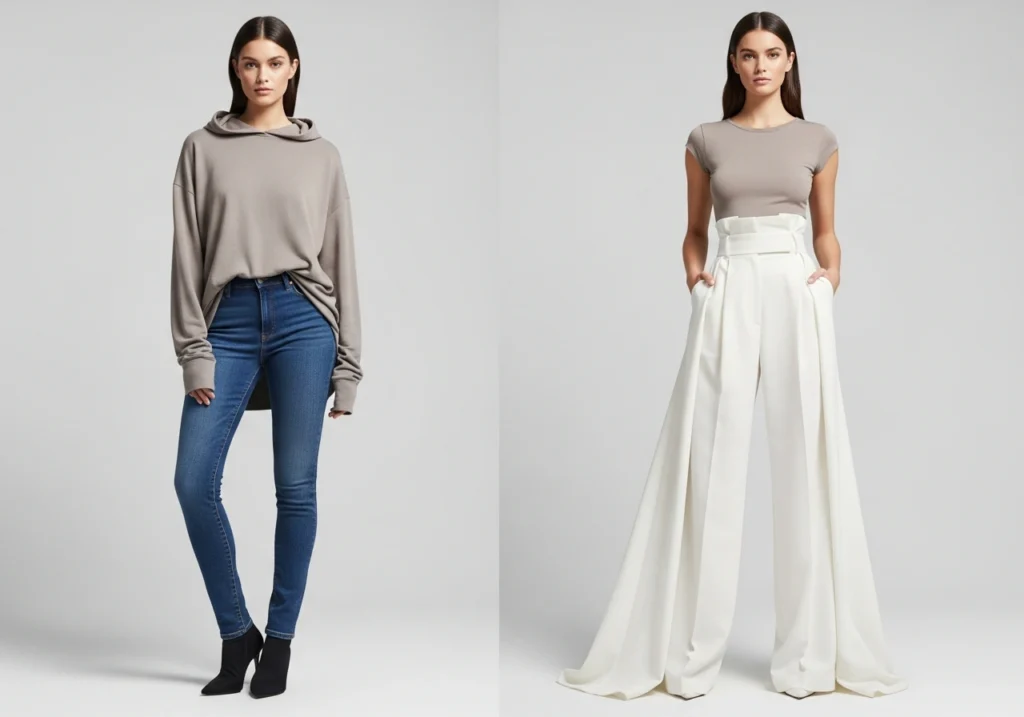
Understanding proportion is fundamental to creating street style outfits that look intentional rather than accidental. The relationship between fitted and oversized pieces determines whether an outfit appears polished or sloppy.
When wearing baggy or wide-leg pants, balance the volume with a more fitted top. This creates a clear silhouette and prevents your outfit from overwhelming your frame. Conversely, if you choose an oversized top or sweater, pair it with more tailored bottoms to maintain definition. This balance ensures your outfit has structure even when incorporating relaxed pieces.
The high-low mixing principle applies to silhouettes as well as price points. Pair formal elements like tailored trousers with casual pieces like sneakers and hoodies. This combination creates the relaxed but put-together aesthetic that defines modern street style. The contrast between formal and casual elements adds interest without requiring extreme or avant-garde pieces.
Consider your footwear in relation to your overall silhouette. Platform sneakers or chunky boots add height and prevent wide-leg pants from overwhelming shorter frames. Conversely, sleek sneakers work well with skinnier pants or when you want to emphasize the proportions of oversized tops. Your shoe choice affects how your entire outfit reads visually.
Working with Color and Pattern
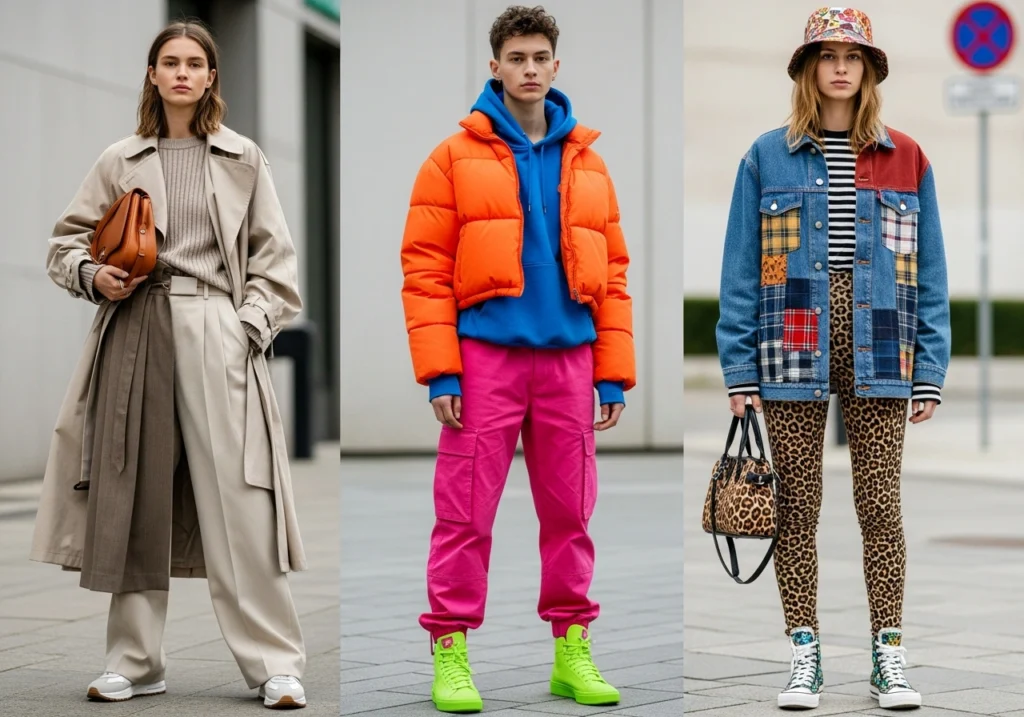
Color choices in street style range from monochromatic minimalism to bold, attention-grabbing combinations. Both approaches have merit depending on your personal style and the statement you want to make.
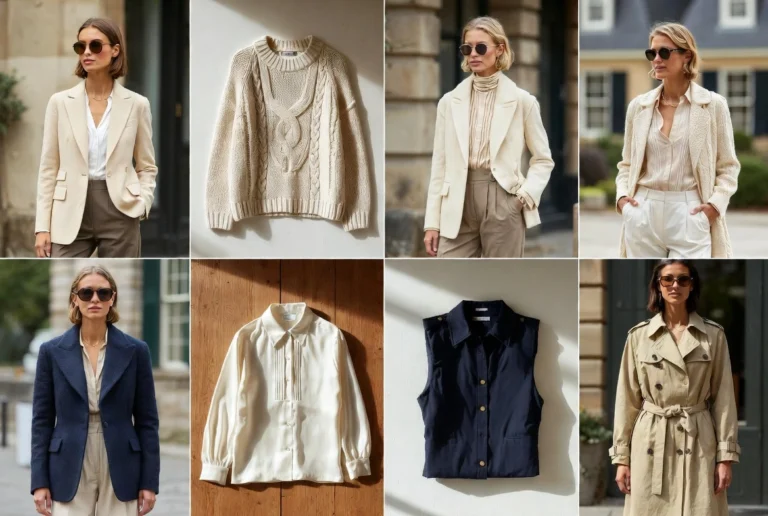
Neutral color palettes in shades like cream, tan, charcoal, and olive create sophisticated looks that work for numerous occasions. These colors pair effortlessly with each other and serve as excellent backgrounds for statement accessories or shoes. A monochromatic outfit in varying shades of the same color creates a streamlined, elegant appearance that feels modern and intentional.
Bold colors make street style outfits memorable. Bright orange puffers, lime green accessories, or fuchsia pants inject personality and confidence into your look. When working with bold colors, consider keeping the rest of your outfit relatively simple to let the statement piece shine. Alternatively, embrace color blocking by pairing two contrasting bright colors throughout your entire outfit for maximum impact.
Pattern mixing pushes creative boundaries in street style. Combining stripes with florals, or plaid with animal prints, creates visually dynamic outfits that showcase your fashion confidence. The key to successful pattern mixing is finding a common color between the patterns or ensuring the patterns differ in scale to prevent visual chaos.
Tonal dressing offers another approach to color in street style. This involves selecting various shades within the same color family for a cohesive, pulled-together look. Charcoals and pewters create moody, sophisticated outfits, while varying shades of blue produce a calm, collected appearance. This technique allows for visual interest without the complexity of working with multiple colors.
Accessorizing Your Street Style Look
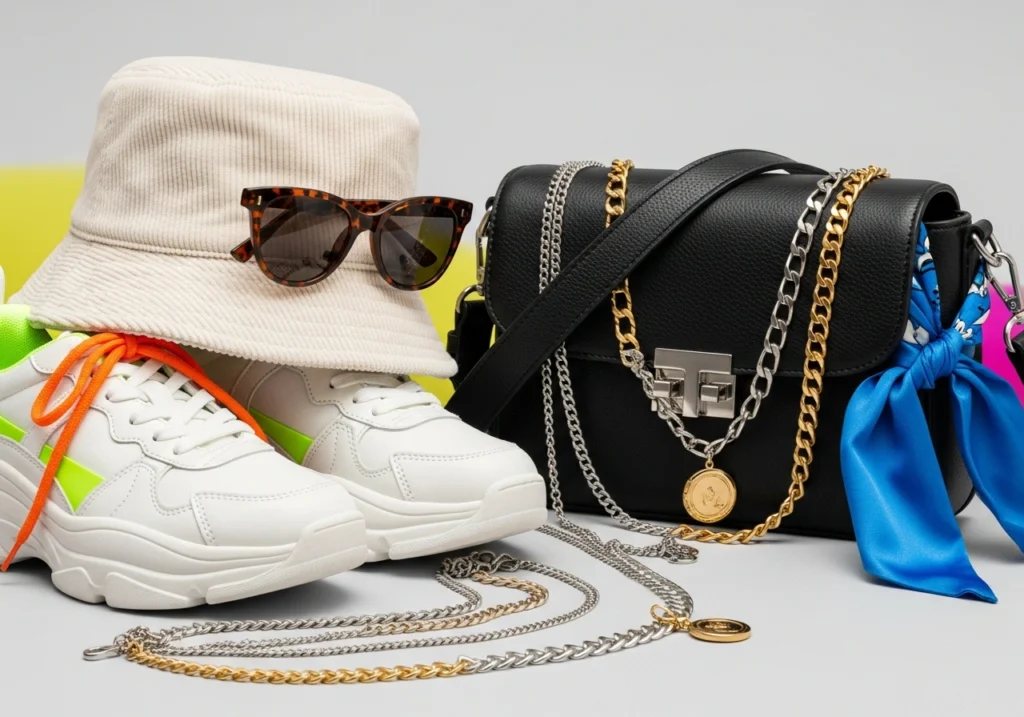
Accessories elevate street style outfits from good to exceptional. The right accessories add personality and polish while serving practical purposes in urban environments.
Headwear plays a functional and aesthetic role in street style. Bucket hats offer sun protection while adding a sporty element to outfits. Dad caps and baseball caps create a casual, approachable vibe. Beanies work for cooler weather while contributing to a laid-back aesthetic. Choose headwear that complements your outfit’s overall vibe rather than competing with it for attention.
Bags serve as both practical necessities and style statements. Crossbody bags allow for hands-free convenience while adding structure to your look. Oversized shoulder bags make bold statements and accommodate everything you need for a full day out. Tiny bags or belt bags create interesting proportions and work especially well with oversized clothing. Consider your bag as an integral part of your outfit rather than an afterthought.
Jewelry in street style tends toward bold, statement pieces rather than delicate accessories. Chunky chain necklaces, oversized hoop earrings, and layered rings add edge and personality. Mixing metals creates a more eclectic, personal feel compared to matchy sets. The goal is to look as though you have collected pieces over time that reflect your individual taste.
Sunglasses complete many street style looks while serving the practical purpose of sun protection. Oversized frames create drama and add a mysterious element to your outfit. Tiny frames offer a retro, nostalgic touch that works well with vintage-inspired looks. Choose frames that complement your face shape while fitting the overall mood of your outfit.
Seasonal Street Style Adaptations
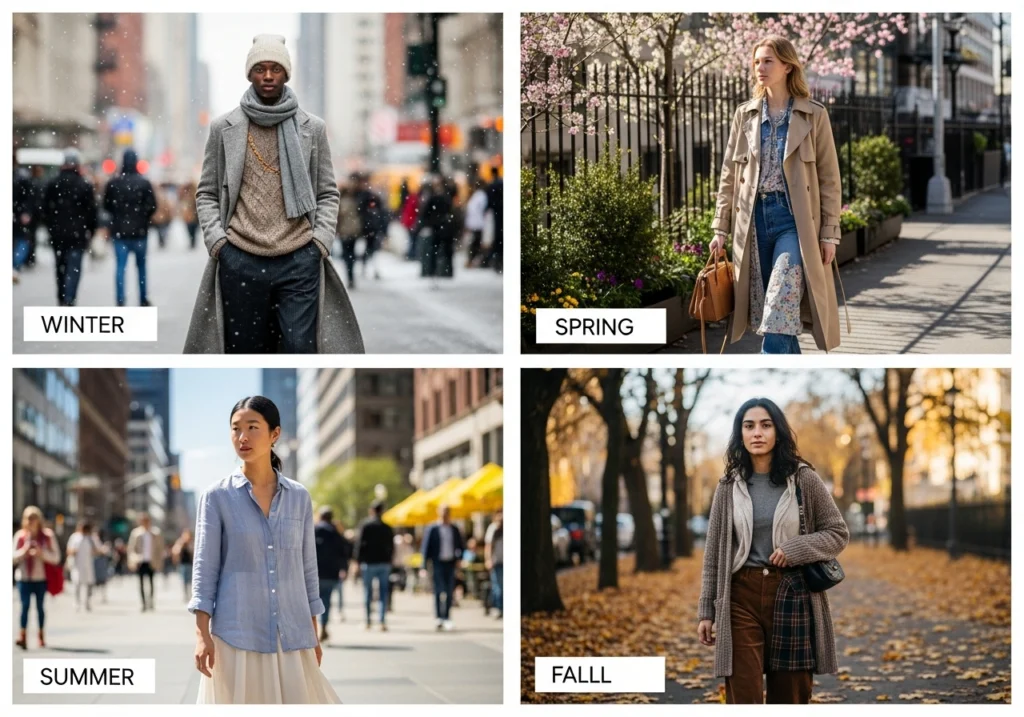
Street style adapts to changing seasons while maintaining its core aesthetic principles. Understanding how to modify your approach for different weather conditions ensures you stay comfortable and stylish year-round.
Winter street style emphasizes layering and texture while maintaining visual interest despite heavier clothing. Start with thermal base layers and build up with knits, jackets, and coats. A sumptuous shearling coat or teddy-bear jacket provides warmth while making a statement. Pair these substantial outerwear pieces with sleek pants and boots to avoid looking overly bulky. Accessories like fuzzy earmuffs or thick scarves add both warmth and personality.
Spring offers opportunities to experiment with transitional pieces. Lightweight jackets like denim or bomber styles work over long-sleeve shirts and light sweaters. As temperatures warm, incorporate more breathable fabrics while maintaining layered looks through texture rather than weight. Bandanas and neck scarves casually wrapped around the neck add dimension to spring outfits without overwhelming lighter fabrics.
Summer street style prioritizes breathable fabrics while maintaining the layered aesthetic through creative styling. Lightweight sets in linen or cotton create put-together looks without causing overheating. Windbreakers paired with shorts offer a sporty edge while providing protection from sudden weather changes. Cropped tops and tank tops layer effectively under open shirts or are worn alone with statement bottoms.
Fall brings opportunities to play with rich textures and deeper colors. Oversized knits paired with tailored pants create cozy yet polished looks. Leather jackets return as versatile layering pieces that work across various outfit styles. Boots transition from ankle to knee-high as temperatures drop, adding visual weight that balances heavier tops and outerwear.
Creating Cohesive Outfits for Different Occasions
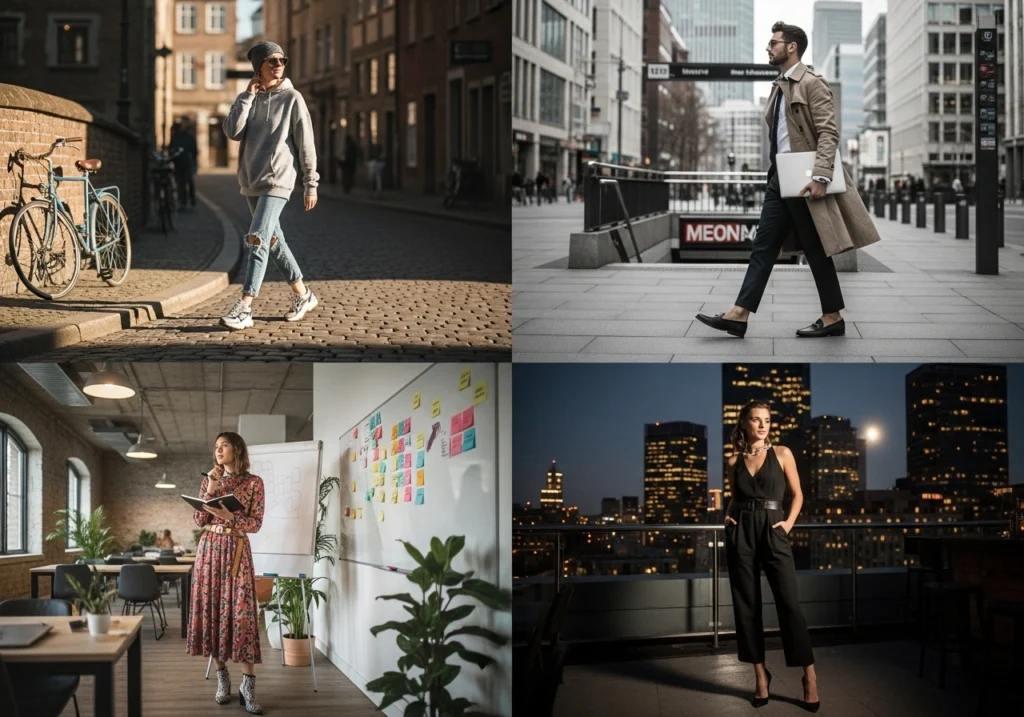
Street style adapts to various settings while maintaining its characteristic casual-cool aesthetic. Understanding how to adjust your approach for different occasions ensures your outfits feel appropriate without sacrificing personal style.
For casual weekend activities, embrace the most relaxed interpretations of street style. Baggy jeans with fitted white t-shirts and classic sneakers create an effortlessly cool foundation. Add oversized sunglasses and a statement bag to elevate the look beyond basic. This combination works for everything from coffee runs to weekend brunches while providing maximum comfort.
Urban commuting requires balancing style with practicality. Comfortable footwear becomes even more important when walking several blocks or navigating public transportation. Choose outfits with functional elements like cargo pants with useful pockets, or crossbody bags that keep your hands free. Layering becomes essential for adapting to varying indoor and outdoor temperatures throughout your day.
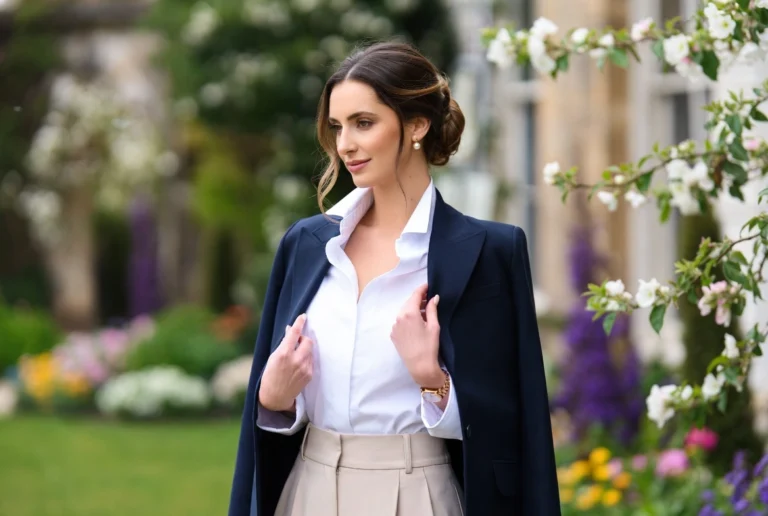
Creative workplaces often welcome street style interpretations that maintain professionalism. Pair tailored trousers or chinos with clean sneakers for a smart-casual approach. Add a structured blazer over a graphic tee to balance formal and informal elements. This combination demonstrates personal style while remaining appropriate for office environments that have relaxed dress codes.
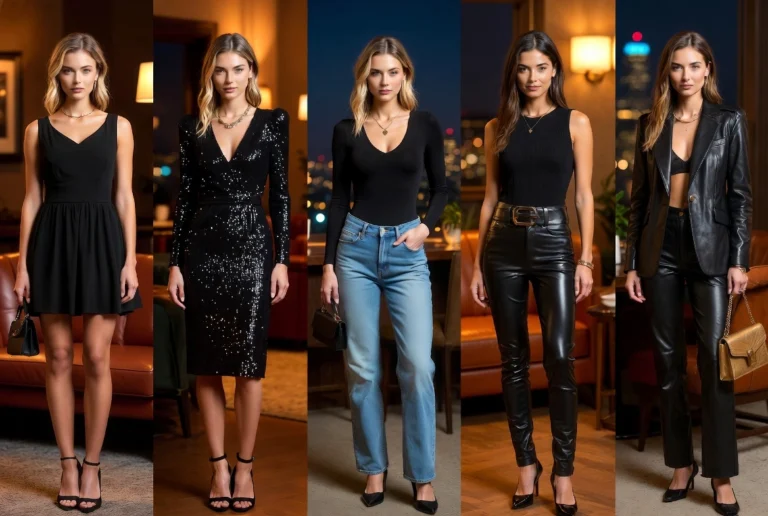
Evening social activities allow for more experimental street style approaches. Leather pants or distressed denim create bold bases for edgier looks. Pair these with cropped tops or statement outerwear like faux fur jackets. Combat boots or high-top sneakers add attitude while remaining comfortable enough for extended wear. Statement jewelry and bold accessories complete looks that command attention in social settings.
Drawing Inspiration While Maintaining Authenticity

Finding inspiration for street style outfits involves observing trends without losing your individual voice. The balance between staying current and remaining authentic to your personal aesthetic defines successful street style.
Fashion weeks in major cities provide endless inspiration through street style photography. Observing how attendees mix pieces, work with proportions, and accessorize offers valuable lessons. However, the goal is to extract principles and techniques rather than copy outfits directly. Consider what elements resonate with your existing wardrobe and personal taste, then adapt those ideas to create something uniquely yours.
Social media platforms offer continuous streams of street style content. Following accounts that align with your aesthetic preferences helps curate inspiration that feels relevant to your style journey. Look for creators who share your body type, lifestyle, or color preferences, as their outfits will translate more directly to your own wardrobe. Save images that inspire you, then analyze what specifically draws you to each look.
Your local environment provides the most practical inspiration. Observing how people in your city dress offers insights into what works for your specific climate, culture, and lifestyle. Street style differs significantly between locations based on weather patterns, local culture, and prevailing attitudes toward fashion. Drawing inspiration from your immediate surroundings ensures your outfits feel authentic to your daily reality.
Building a personal aesthetic takes time and experimentation. Try different combinations, take photos of outfits you feel confident wearing, and notice patterns in what makes you feel most like yourself. Your street style should evolve as you discover what works for your body, lifestyle, and personality. Authenticity comes from wearing clothes that make you feel comfortable and confident rather than simply following trends.
Sustainable Approaches to Street Style
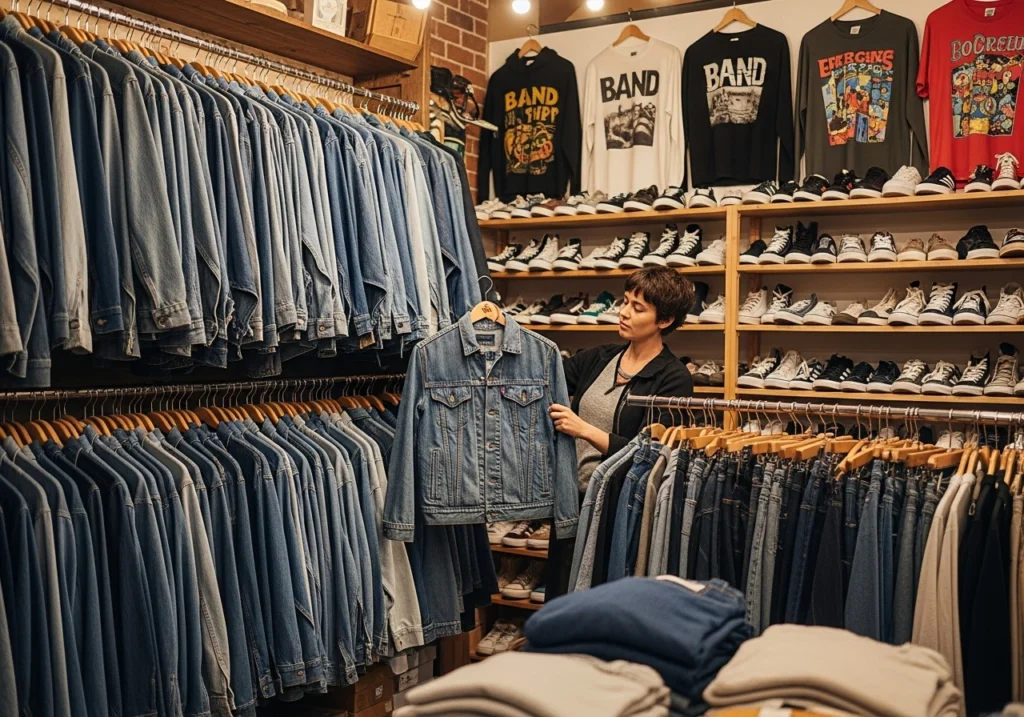
Building a street style wardrobe can align with sustainable fashion principles through thoughtful choices about where and how you acquire clothing. This approach reduces environmental impact while often leading to more unique and personal style.
Thrift stores and vintage shops offer treasure troves of street style staples. Vintage denim jackets, classic sneakers, and unique graphic tees found secondhand contribute to one-of-a-kind outfits while extending the life of existing garments. The hunt for perfect vintage pieces becomes part of the creative process, making your wardrobe more meaningful and distinctive.
Investing in quality basics that last for years proves more sustainable than frequently replacing cheap pieces. Well-made denim, sturdy outerwear, and quality footwear withstand regular wear and maintain their appearance longer. While initial costs may be higher, the cost per wear decreases significantly over time, making quality purchases more economical in the long run.
Caring properly for your clothing extends its lifespan and maintains its appearance. Following care instructions, repairing minor damage promptly, and storing pieces appropriately ensures your wardrobe investment pays off. Street style pieces often improve with wear, developing character and patina that add to their appeal rather than detracting from it.
Versatility should guide purchasing decisions. Choose pieces that work across multiple outfit combinations rather than items that only work in specific contexts. A well-chosen jacket that works with jeans, trousers, dresses, and various tops provides more value than a trendy piece with limited pairing options. This approach naturally leads to a more curated, intentional wardrobe.
Developing Confidence in Your Style Choices
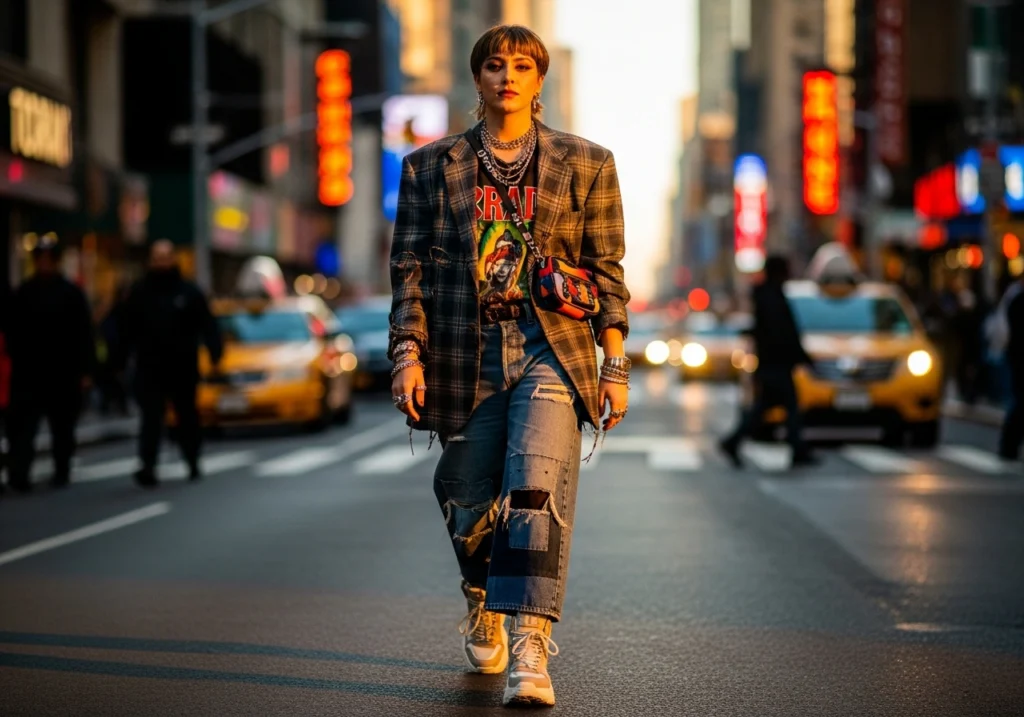
Confidence transforms good outfits into great personal style. The way you carry yourself and inhabit your clothing matters as much as the pieces themselves in creating compelling street style.
Start by wearing pieces that genuinely feel comfortable. Physical comfort translates to confident body language and authentic presence. If you constantly adjust your clothing or feel restricted in your movements, your discomfort will be apparent regardless of how stylish the outfit appears. Choose pieces that allow you to move naturally and feel at ease.
Experiment gradually with new styles rather than completely overhauling your wardrobe overnight. Introduce one bolder piece into otherwise familiar outfits, allowing yourself to adjust to the new element. This approach helps you determine what feels authentic versus what merely looks interesting on others. Build your confidence incrementally as you discover what works for you.
Accept that not every outfit will be a winner. Style experimentation involves some missteps along the way. Rather than viewing unsuccessful combinations as failures, treat them as learning experiences that clarify your preferences. The willingness to take risks and occasionally miss the mark demonstrates more style confidence than playing it safe constantly.
Remember that street style celebrates individuality rather than conformity. Wearing what makes you feel like yourself matters more than perfectly executing trends. The most compelling street style comes from people who dress for themselves first and observers second. When your clothing reflects your genuine personality and interests, your confidence naturally follows.
Conclusion
Street style offers an approachable framework for creating outfits that balance comfort, practicality, and personal expression. By understanding foundational principles like proportion, layering, and cohesive styling, you can build a wardrobe that serves your daily life while reflecting your individual aesthetic. The beauty of street style lies in its flexibility and inclusivity, welcoming diverse interpretations and encouraging creative experimentation.
Success in street style comes not from following rigid rules but from understanding how different elements work together to create intentional looks. Whether you prefer minimalist neutral palettes or bold color combinations, oversized silhouettes or tailored pieces, street style accommodates your preferences while providing structure for building outfits. The key is developing your eye for what works for your body, lifestyle, and personal taste.
Building a strong street style wardrobe happens over time through thoughtful choices and willing experimentation. Start with versatile basics that serve as foundations for multiple looks, then gradually add statement pieces that reflect your evolving style. Prioritize quality over quantity, invest in pieces you genuinely love, and do not be afraid to mix high and low items in ways that feel authentic to you.
Ultimately, street style succeeds when it makes you feel confident and comfortable in your own skin. The most stylish individuals are those who wear their clothing with ease and authenticity, unbothered by whether their choices align with current trends. Use the principles and ideas in this guide as starting points for developing your personal approach to street style, then make them your own through experimentation and self-discovery. Your best street style outfit is the one that makes you feel like the best version of yourself.
Frequently Asked Questions
What defines a street style outfit?
Street style outfits combine casual comfort with intentional styling, drawing inspiration from urban culture and subcultures like skateboarding and hip-hop. These looks emphasize personal expression over formal fashion rules, typically incorporating elements like denim, sneakers, graphic pieces, and oversized outerwear. The key characteristic is appearing effortlessly put-together while maintaining comfort and practicality for everyday activities.
How can I create street style looks on a budget?
Building street style outfits affordably involves shopping at thrift stores for vintage pieces, investing in versatile basics that work across multiple looks, and focusing on fit and proportion rather than brand names. Mix affordable fast-fashion pieces with higher-quality investment items, and prioritize distinctive accessories that add personality without high costs. Many iconic street style elements like denim jackets and graphic tees can be found at reasonable prices when you shop strategically.
What are essential pieces for a street style wardrobe?
Core street style pieces include quality denim in various cuts, oversized outerwear like bombers or blazers, comfortable sneakers or boots, basic tees and hoodies, and statement accessories like bags and sunglasses. These foundational items mix and match easily, creating numerous outfit combinations. Focus on neutral basics that work with everything, then add personality through a few bolder pieces in colors or patterns that reflect your individual taste.
Can street style work for professional environments?
Street style adapts successfully to creative professional settings by balancing casual elements with tailored pieces. Pair clean sneakers with chinos or tailored trousers, add structured blazers over graphic tees, and choose refined accessories to elevate casual looks. The key is maintaining the relaxed aesthetic while demonstrating intentionality through fit, proportion, and cohesive styling. Many modern workplaces embrace this approach as it reflects current fashion while remaining appropriate.
How do I find my personal street style aesthetic?
Discovering your street style involves experimenting with different combinations while noting what makes you feel confident and comfortable. Start by identifying elements you are naturally drawn to, whether that is bold colors, neutral minimalism, vintage pieces, or athletic influences. Build outfits gradually, photograph looks you love, and analyze patterns in what works for your body type and lifestyle. Authentic personal style develops over time through trial and self-awareness rather than immediately.

One Comment