

Business Casual Outfit for Men 2026 | Fall Office-Ready Work Outfits & Styling Ideas
The modern workplace has evolved dramatically over the past few years, and with it, the definition of appropriate office attire. Business Casual Outfits for men has become the standard dress code across industries, offering professionals the flexibility to look polished without the formality of traditional business wear. As we move through fall 2026, understanding how to build versatile, weather-appropriate business casual outfits has become essential for men who want to project confidence and professionalism in their careers.
Fall presents unique opportunities for building sophisticated business casual wardrobes. The cooler temperatures allow for layering, richer textures, and deeper color palettes that simply are not practical during summer months. Whether you are navigating a corporate office environment, attending client meetings, or working in a creative industry, mastering business casual fall looks will ensure you always make the right impression.
This comprehensive guide explores everything you need to know about creating outstanding business casual outfits for fall 2026, from foundational wardrobe pieces to specific outfit combinations that work for various professional settings.
Understanding Business Casual in Today’s Workplace
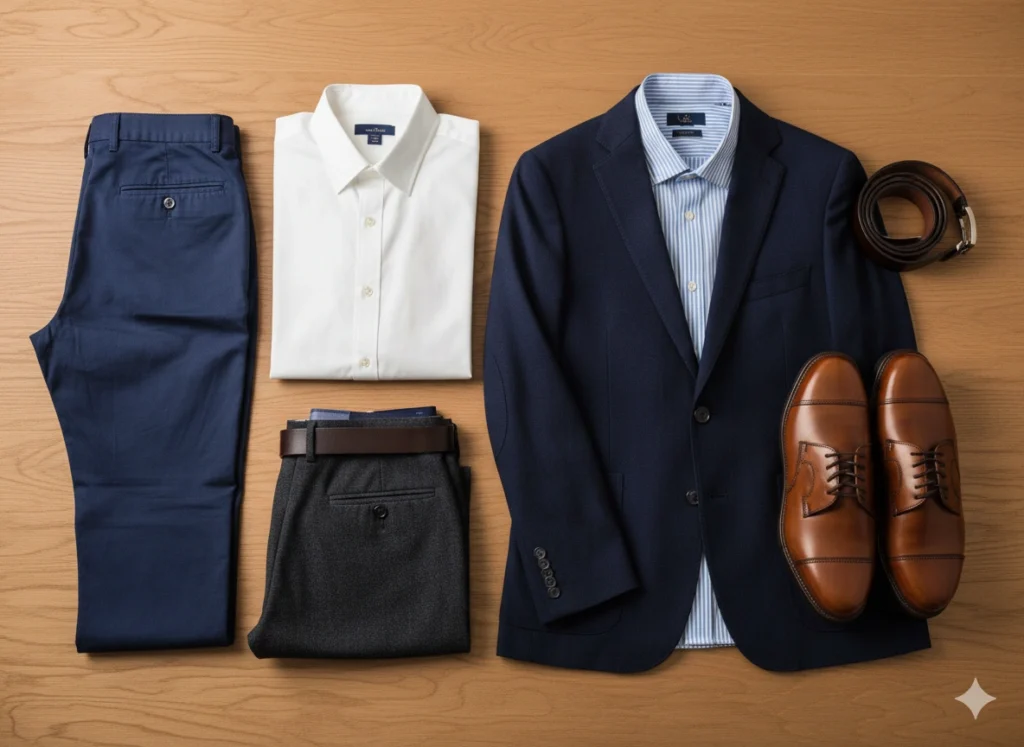
Business casual sits comfortably between formal business attire and casual everyday wear. Unlike the strict suit and tie requirements of traditional business dress codes, business casual allows for more personal expression while maintaining a professional appearance. The key is striking the right balance between comfort and polish.
In fall 2026, business casual typically means well fitted trousers or chinos paired with collared shirts, sweaters, or blazers. The dress code excludes overtly casual items like t-shirts, athletic wear, distressed jeans, and sneakers, while embracing more relaxed alternatives to full business suits.
Understanding your specific workplace culture remains critical. Technology companies often interpret business casual more liberally than law firms or financial institutions. Observing how senior colleagues and executives dress provides valuable insight into what is considered appropriate in your particular environment.
Essential Wardrobe Foundations for Fall Business Casual

Building a functional business casual wardrobe starts with investing in versatile foundational pieces that can be mixed and matched to create numerous outfits. Quality matters more than quantity when selecting these core items.
Begin with well fitted chinos in neutral colors like navy, charcoal, khaki, and olive. These four colors alone provide the foundation for dozens of outfit combinations. The fit should be tailored but comfortable, sitting at the natural waist and breaking slightly at the shoe. Avoid overly baggy or excessively slim cuts, as both can appear unprofessional.
Dress trousers in wool or wool blends become particularly valuable during fall months. Unlike chinos, dress trousers carry slightly more formality and work exceptionally well for important meetings or presentations. Choose flat front styles in charcoal gray and navy as your starting point.
Button down shirts form another cornerstone of business casual dressing. Oxford cloth button downs in white, light blue, and subtle patterns like micro checks or stripes should occupy prime real estate in your closet. These shirts work equally well worn alone during early fall or layered under sweaters and blazers as temperatures drop.
Polo shirts have evolved significantly and now represent acceptable business casual attire in many workplaces, particularly on Fridays or during warmer fall days. Select solid colors in pique cotton or performance fabrics that maintain their shape throughout the day. Ensure the fit is neither too tight nor too loose, with sleeves ending mid bicep.
Layering Strategies for Fall Weather

Fall weather demands strategic layering to accommodate temperature fluctuations between morning commutes, climate controlled offices, and evening events. Mastering layering techniques elevates your business casual game while providing practical comfort.
Lightweight sweaters serve as perfect transitional layers. Merino wool crew necks and V necks in navy, gray, burgundy, and forest green can be worn over button down shirts for a classic look. The V neck style works particularly well when you want to display an interesting tie or add visual depth to your outfit.
Quarter zip sweaters have gained tremendous popularity in business casual environments. These pieces offer the sophistication of a sweater with the versatility of adjustable coverage. Wear them over collared shirts for a preppy, put together appearance that translates well from office to after work gatherings.
Cardigans represent another excellent layering option, especially in heavier knits like cable or ribbed patterns. Button them up for a more structured look or leave them open for a relaxed vibe. Shawl collar cardigans in particular add textural interest and work beautifully over plain shirts.
The sport coat or blazer stands as the ultimate business casual layering piece. Unlike matched suit jackets, sport coats can be paired with different trouser colors and styles. Navy blazers remain the most versatile choice, working with virtually every trouser color. Consider adding a textured gray or brown herringbone blazer for visual variety.
Color Coordination and Pattern Mixing
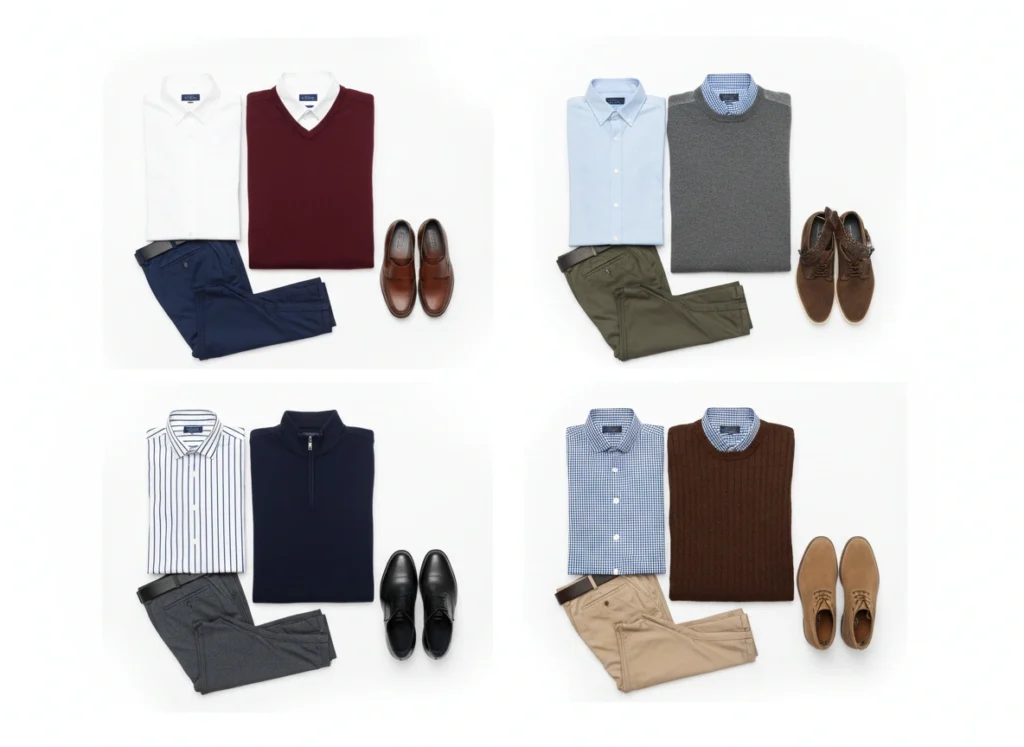
Successful business casual dressing relies heavily on understanding color coordination and pattern mixing principles. Fall palettes naturally gravitate toward richer, deeper tones that complement the season.
Navy serves as the backbone of most business casual wardrobes due to its versatility and professional appearance. It pairs effortlessly with white, light blue, burgundy, olive, tan, and gray. Building outfits around navy trousers or blazers provides a reliable starting point for men still developing their style confidence.
Earth tones become especially relevant during fall months. Olive green, camel, chocolate brown, and rust orange reflect the seasonal landscape while remaining appropriate for professional settings. These colors work particularly well in knitwear and outerwear.
When mixing patterns, follow the scale rule. Pair large patterns with small patterns, or patterns with solids. For example, a micro check shirt works well under a textured blazer, while a bold striped shirt should be paired with solid trousers and a plain sweater. Avoid combining patterns of similar scale, as this creates visual confusion.
Incorporating burgundy, forest green, or burnt orange as accent colors through ties, pocket squares, or socks adds personality without overwhelming your look. These touches demonstrate attention to detail and style awareness.
Complete Fall Outfit Combinations
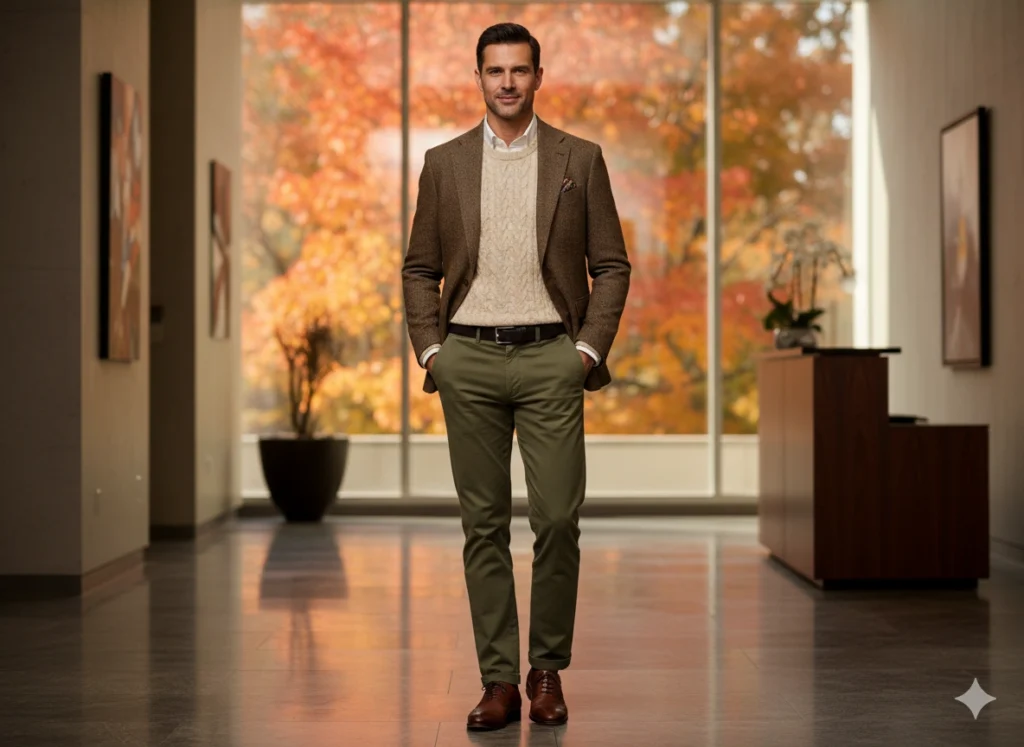
Creating specific outfit formulas takes the guesswork out of daily dressing and ensures you always look put together.
For Monday meetings or important presentations, pair charcoal wool trousers with a white Oxford shirt, navy V neck sweater, and a coordinating tie. Add a navy blazer and finish with burgundy leather dress shoes. This combination strikes the perfect balance between authority and approachability.
Mid week versatility can be achieved with khaki chinos, a light blue button down, and a gray quarter zip sweater. Brown leather loafers and a brown leather belt complete this effortlessly polished look that works across various professional settings.
For casual Friday or creative industry environments, try navy chinos with a burgundy polo shirt and a tan cardigan left unbuttoned. Chelsea boots in brown suede add contemporary flair while maintaining professional standards.
Cooler fall days call for layering depth. Combine olive chinos with a white Oxford, a cable knit crew neck sweater in oatmeal, and a brown herringbone sport coat. Finish with dark brown brogues for a sophisticated, seasonally appropriate ensemble.
Early fall transitional dressing works well with lightweight gray dress trousers, a patterned button down in blue and white micro gingham, and no additional layers. Keep a navy blazer nearby for temperature changes or unexpected formal moments.
Footwear Selection for Professional Settings
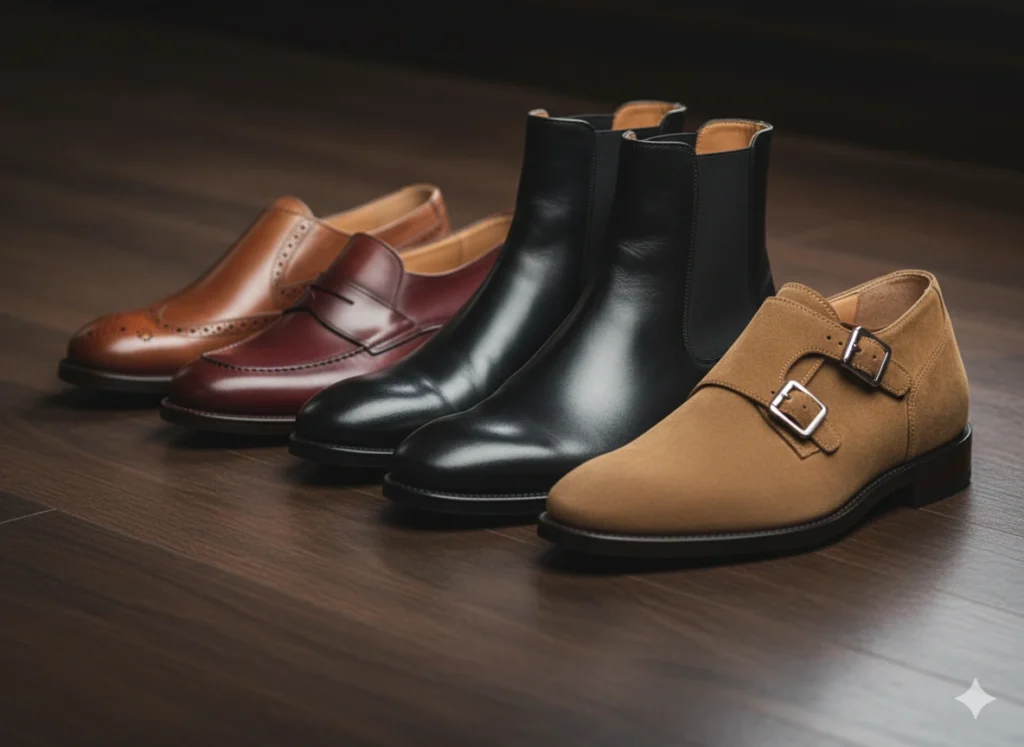
Footwear dramatically impacts the overall impression of business casual outfits. The right shoes elevate your entire look while inappropriate choices undermine otherwise strong outfit choices.
Leather dress shoes in brown and black remain fundamental. Oxford and derby styles offer classic sophistication suitable for any business casual environment. Brown shoes provide more versatility, pairing well with navy, gray, khaki, and olive trousers. Reserve black shoes primarily for charcoal or black trousers.
Loafers have experienced a significant resurgence and now represent a cornerstone of modern business casual footwear. Penny loafers and tassel loafers in brown or burgundy leather work beautifully with chinos and dress trousers alike. Their slip on convenience appeals to busy professionals without sacrificing style.
Chelsea boots bridge the gap between dress shoes and casual boots, making them ideal for fall business casual wear. Choose sleek leather versions in black or brown rather than rugged work boot styles. These boots pair exceptionally well with both chinos and dress trousers while providing weather protection.
Monk strap shoes offer a distinctive alternative to traditional lace ups. The buckle closure adds visual interest and works particularly well in business casual environments that encourage subtle personal expression. Single monk straps lean slightly more formal while double monks make a bolder statement.
Suede shoes and boots become especially appropriate during fall months. The textured material adds seasonal relevance while remaining professional. Consider brown suede loafers or chukka boots as versatile additions that complement earth tone fall palettes.
Accessories That Complete the Look
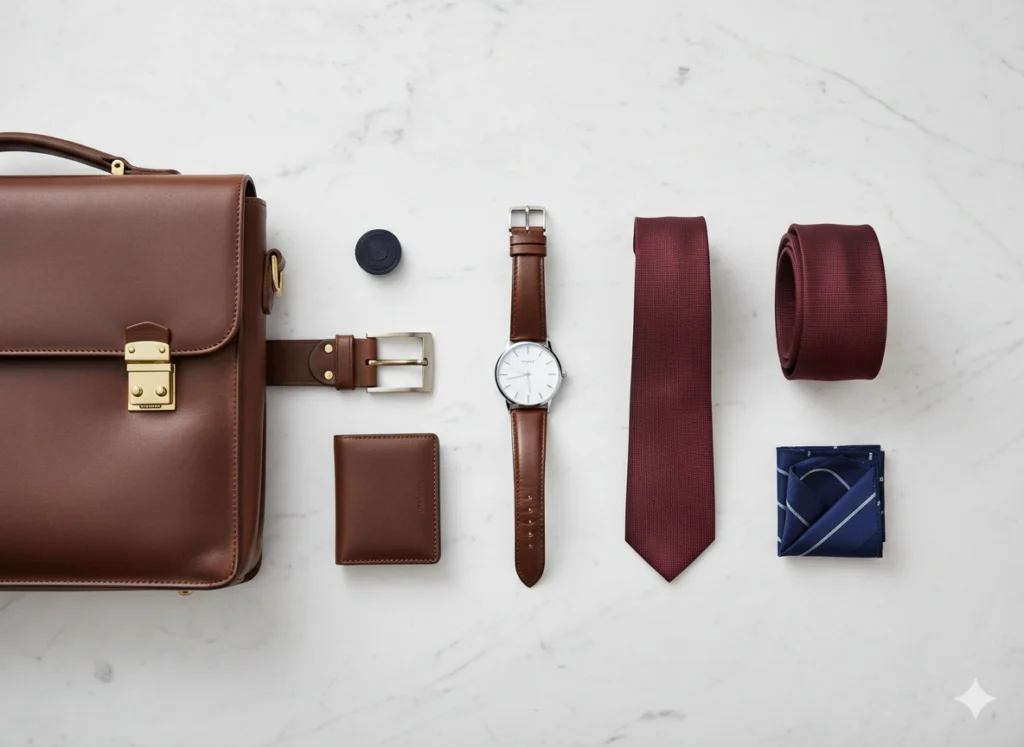
Thoughtfully chosen accessories demonstrate attention to detail and polish that separates good business casual dressing from exceptional presentation.
Leather belts should always match your shoes in both color and finish. This fundamental rule creates visual cohesion and reflects awareness of professional dressing standards. Invest in quality brown and black leather belts with simple, understated buckles.
Watches represent the most important accessory for business casual attire. Choose classic designs with leather straps or metal bracelets rather than sports watches or smart watches with bright, distracting displays. The watch should be proportional to your wrist size and appropriate for professional settings.
Ties remain optional in most business casual environments but serve strategic purposes for important meetings or presentations. Select ties in silk or wool blends with subtle patterns or solid colors that coordinate with your outfit. Knit ties work particularly well for fall, adding textural interest and relaxed sophistication.
Pocket squares offer opportunities for personality within professional boundaries. Choose squares that complement rather than match your tie exactly. Subtle patterns or solid colors in seasonal hues like burgundy, forest green, or burnt orange add visual interest without appearing costume like.
Leather goods including briefcases, messenger bags, and portfolios should coordinate with your belt and shoes. Brown leather accessories pair well with earth tone wardrobes while black leather leans more formal and works best with gray and navy color schemes.
Fabric Selection for Fall Comfort and Style
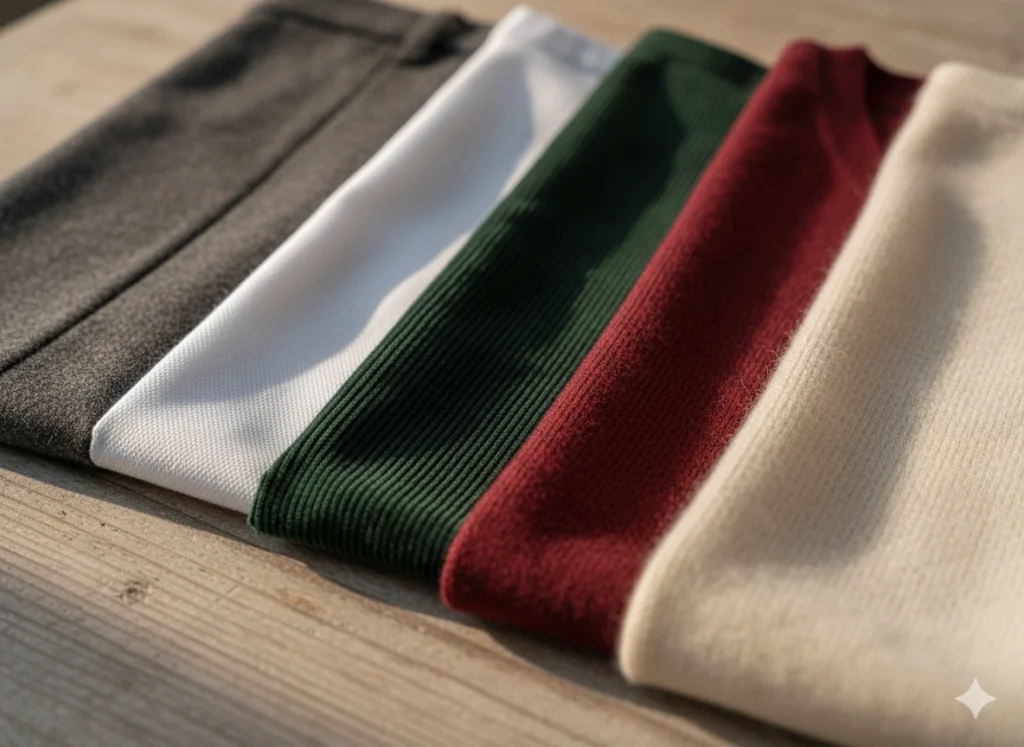
Understanding seasonal fabrics ensures both comfort and appropriate formality throughout fall months.
Wool becomes increasingly important as temperatures drop. Wool trousers, sweaters, and blazers provide warmth without bulk while maintaining professional appearance. Merino wool specifically offers excellent temperature regulation and resists odors, making it ideal for long workdays.
Cotton Oxford cloth remains the gold standard for business casual shirts. The fabric breathes well, maintains structure throughout the day, and improves with age when properly cared for. Heavier weight Oxfords work particularly well for fall, providing subtle warmth without requiring additional layers.
Corduroy has returned to prominence in business casual wardrobes. Fine wale corduroy trousers in navy, brown, or olive provide textural variety and seasonal appropriateness. The fabric works well in professional settings when paired with solid colored shirts and sweaters.
Flannel shirts and trousers add warmth and visual interest to fall outfits. Choose flannel in subtle patterns like micro checks or herringbone rather than bold lumberjack plaids. The fabric works well for more casual business environments or Friday dressing.
Cashmere sweaters represent luxury investments that elevate business casual wardrobes. While more expensive than standard wool, cashmere provides exceptional softness, warmth, and a refined appearance suitable for client facing roles and leadership positions.
Grooming and Presentation Standards
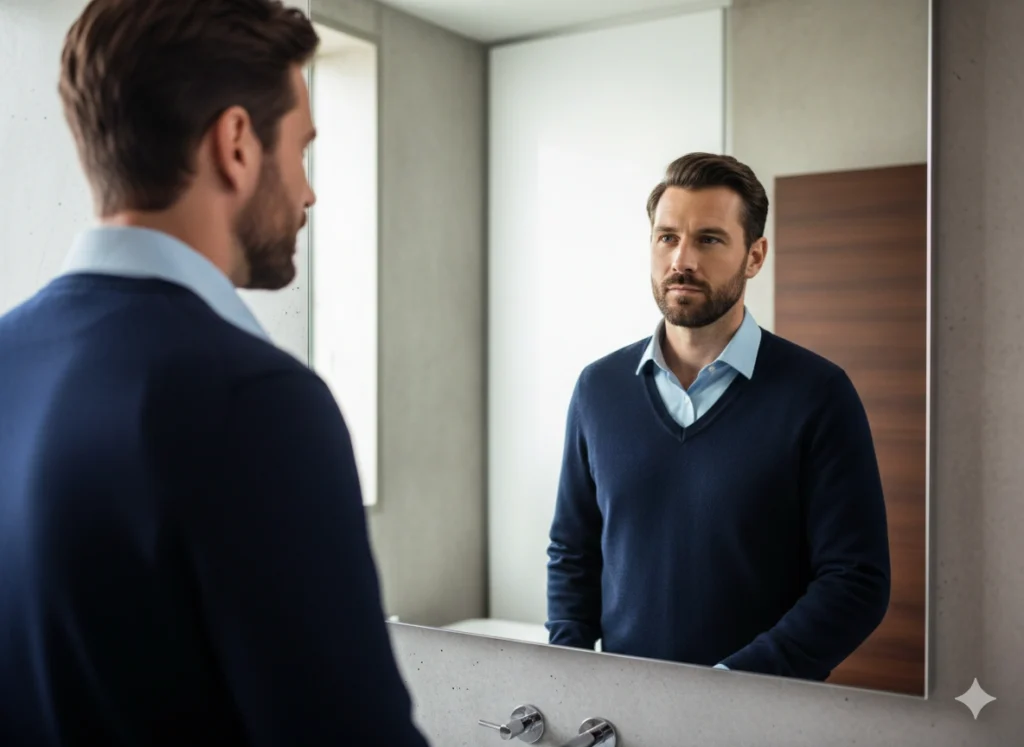
Even perfectly assembled outfits fall short without attention to grooming and overall presentation. Business casual dress codes typically maintain professional grooming expectations similar to formal business attire.
Maintain well fitted, clean, and pressed clothing at all times. Wrinkled shirts and trousers immediately undermine professional credibility regardless of outfit quality. Invest in a reliable iron or establish relationships with quality dry cleaners.
Hair should be neatly styled and well maintained. While business casual allows for more personal expression than formal dress codes, extreme or unkempt hairstyles may still appear unprofessional depending on your industry.
Facial hair requires regular maintenance. Whether clean shaven or bearded, the key is intentional grooming rather than neglect. Neat beards and mustaches are widely accepted in business casual environments across most industries.
Fragrance should be subtle if worn at all. Strong colognes can be overwhelming in office environments and may trigger sensitivities in colleagues. When choosing fragrance, less is always more in professional settings.
Personal hygiene fundamentals including dental care, hand grooming, and overall cleanliness remain non negotiable aspects of professional presentation regardless of dress code formality.
Adapting Business Casual for Different Industries

Business casual manifests differently across industries, requiring adaptation based on professional context and workplace culture.
Corporate environments including finance, consulting, and law tend toward the more formal end of business casual. These settings typically require dress trousers, button down shirts, and blazers as standard attire. Ties may be expected for client meetings even if not required daily.
Technology companies often embrace relaxed interpretations of business casual. Well fitted dark jeans may be acceptable when paired with button downs and blazers. However, maintaining polish remains important, so avoid overly casual items like graphic tees or athletic wear.
Creative industries including advertising, design, and media allow for more personal expression within business casual frameworks. These environments may welcome bolder colors, patterns, and accessory choices while still expecting professional presentation.
Healthcare and education settings generally maintain moderate business casual standards. Clean, pressed chinos or dress trousers with collared shirts represent safe choices across these fields. Consider the practical demands of your specific role when selecting fabrics and fits.
Regardless of industry, when doubt exists about appropriateness, err toward slightly more formal choices. It is always better to be slightly overdressed than underdressed in professional environments.
Building a Capsule Business Casual Wardrobe
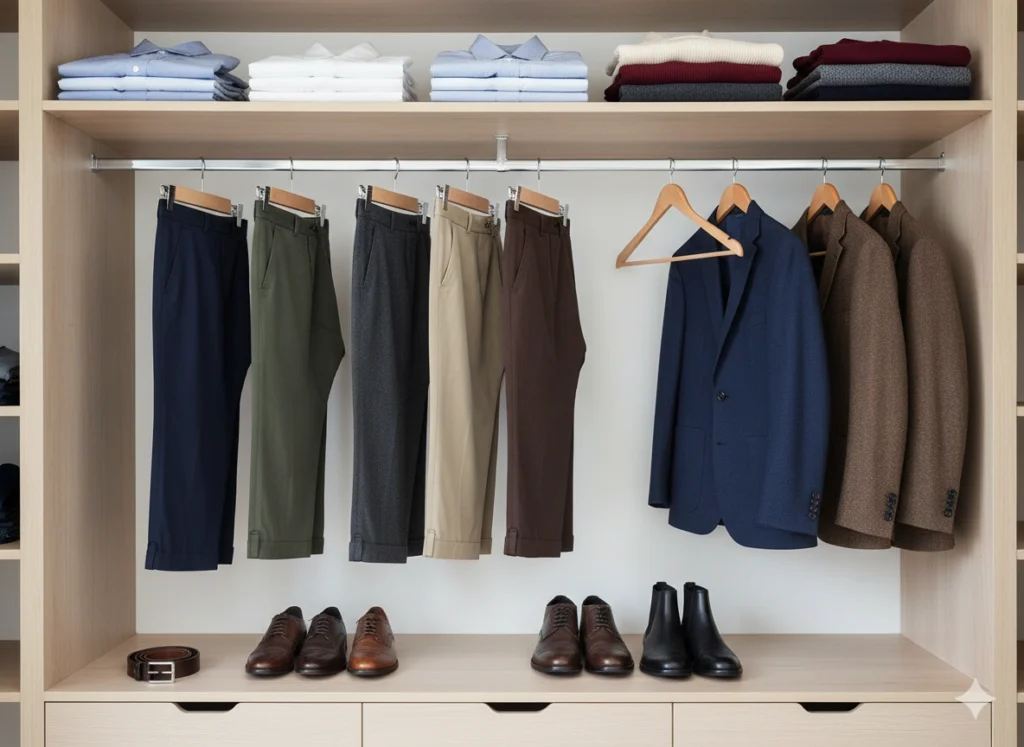
Creating a capsule wardrobe streamlines daily dressing while ensuring you always have appropriate options available. A well planned capsule provides maximum versatility from minimum pieces.
Start with five pairs of trousers including navy and charcoal dress pants, navy and khaki chinos, and olive or gray chinos. This foundation allows for different formality levels and color combinations.
Include seven button down shirts in white, light blue, pale pink, and subtle patterns. This rotation provides fresh options throughout the week while maintaining professional appearance.
Add four sweaters in crew neck and V neck styles across navy, gray, burgundy, and oatmeal colors. These layers work over shirts and under blazers for temperature adaptability.
Invest in two blazers starting with navy as your essential piece, then adding gray, brown, or another versatile neutral based on your typical outfit colors.
Round out the capsule with three pairs of shoes including brown leather dress shoes, brown loafers, and either black dress shoes or Chelsea boots depending on your formality needs.
This foundational capsule creates dozens of outfit combinations while remaining manageable and budget conscious. Expand thoughtfully based on your specific needs and preferences.
Conclusion
Mastering business casual fall looks for 2026 requires understanding fundamental principles while adapting them to your specific professional context. The key lies in building a versatile wardrobe foundation of quality pieces in coordinating colors that can be mixed and matched across various situations.
Fall provides excellent opportunities for incorporating richer colors, interesting textures, and sophisticated layering that simply are not practical during other seasons. By investing in well fitted trousers, quality shirts, versatile sweaters, and appropriate footwear, you create a reliable framework for professional success.
Remember that business casual dressing ultimately serves to project competence, attention to detail, and respect for your professional environment. While personal style expression has become more acceptable in modern workplaces, the core objective remains presenting yourself as someone who takes their career seriously.
As you build and refine your business casual wardrobe, focus on fit, quality, and versatility rather than chasing trends or accumulating excessive pieces. A smaller collection of well chosen, properly maintained items will serve you far better than a closet full of ill fitting or inappropriate choices.
The confidence that comes from knowing you look polished and professional translates directly into how you show up in meetings, presentations, and daily interactions. Invest the time to understand what works for your body type, professional context, and personal preferences. The return on that investment manifests not just in appearance but in the opportunities that come from consistently presenting your best professional self.
You may also like this post:Spring Break Outfit Ideas That Are Cute, Comfortable & Trendy
Frequently Asked Questions
What exactly qualifies as business casual for men?
Business casual typically includes dress trousers or chinos paired with collared shirts like button downs or polos, often layered with sweaters or blazers. Leather dress shoes or loafers complete the look. Items to avoid include t-shirts, jeans with distressing, athletic wear, and sneakers. The specific interpretation varies by industry and company culture.
Can I wear jeans in a business casual office?
This depends entirely on your workplace culture. Some business casual environments accept dark, well fitted jeans without distressing when paired with dress shirts and blazers, while others consider jeans too casual regardless of styling. Observe what senior colleagues wear and consult your employee handbook when uncertain.
What colors work best for fall business casual outfits?
Navy, charcoal gray, khaki, and olive serve as excellent foundational colors for fall business casual. Accent these with burgundy, forest green, rust orange, and brown through sweaters, accessories, and shoes. These deeper, richer tones complement the season while maintaining professional appropriateness across most industries.
How many business casual outfits do I need for a work week?
A well planned capsule wardrobe with five pairs of trousers, seven shirts, and four sweaters creates numerous combinations sufficient for several weeks without repetition. Most professionals find that having at least seven to ten distinct outfit combinations prevents monotony while keeping wardrobe management reasonable.
Are sneakers ever appropriate for business casual?
In most traditional business casual environments, sneakers remain too casual regardless of quality or price. However, some modern workplaces, particularly in technology and creative industries, accept minimalist leather sneakers in neutral colors when paired with tailored trousers and shirts. Always verify this aligns with your specific workplace standards before incorporating sneakers into your business casual rotation.
One Comment